
Why would your carbon monoxide alarm go off?
Why would your carbon monoxide alarm go off?
Can a carbon monoxide detector go off for no reason?
CO detectors can give off false alarms, especially if they’re not handled properly. Here are some tips to reduce the number of false alarms your detector sets off.
– Test your detector every month.
– Change the batteries in your detector regularly (at least every six months).
What can trigger a carbon monoxide alarm?
CO alarms are designed to warn you of any unusual build-up of CO in your home. These higher levels of CO may occur from improperly maintained, installed or used fuel-burning appliances, backdrafting appliances or fireplaces, or idling cars in garages.
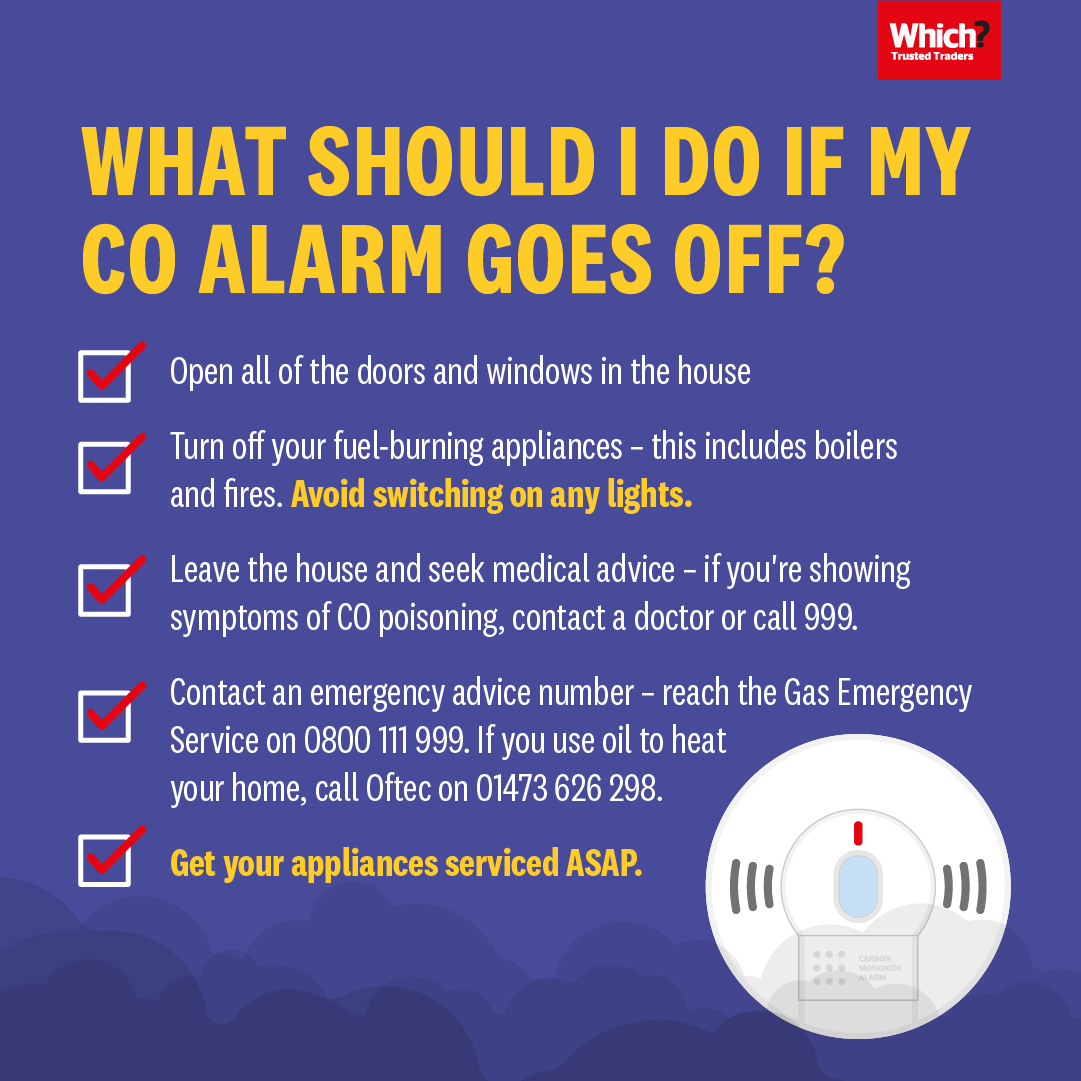
What should you do if your carbon monoxide detector goes off?
What Should I Do If My Carbon Monoxide Detector Goes Off:
– Do not ignore the alarm.
– All people and pets should quickly evacuate the home and find fresh air.
– Call 911 immediately and report that the alarm has gone off.
– Do not assume it is safe to reenter the home when the alarm stops.
Why would carbon monoxide detector go off and then stop?
– 4 beeps and a pause: This means that there is carbon monoxide in the air and you should seek fresh air immediately and call 911.
– 1 beep every minute: This means that the alarm has low batteries and you should replace them.
– 3 beeps every minute: This means the alarm has encountered a malfunction and needs replacement.
What are two warning signs of carbon monoxide poisoning?
What are the symptoms of CO poisoning?
The most common symptoms of CO poisoning are headache, dizziness, weakness, upset stomach, vomiting, chest pain, and confusion. CO symptoms are often described as “flu-like.” If you breathe in a lot of CO it can make you pass out or kill you.
How do I know if there is carbon monoxide in my house?
What Are Signs of Carbon Monoxide in Your Home:
– Yellow or orange flames coming out of your gas appliances instead of the usual blue flame.
– Dark and sooty staining on or around gas appliances.
– Pilot lights that frequently blow out.
– Increased condensation on windows.
– Solid fuel fires burn much slower than usual.
What’s the most common household thing to cause a carbon monoxide leak?
The most common causes of carbon monoxide building up are incorrectly installed or poorly maintained or ventilated appliances – like stoves and hot water heaters. Poorly ventilated fireplaces and other gas- or wood-burning appliances can also pose danger.
How do you know if there is carbon monoxide in your house?
What Are Signs of Carbon Monoxide in Your Home:
– Yellow or orange flames coming out of your gas appliances instead of the usual blue flame.
– Dark and sooty staining on or around gas appliances.
– Pilot lights that frequently blow out.
– Increased condensation on windows.
– Solid fuel fires burn much slower than usual.
Can anything other than carbon monoxide set off a carbon monoxide detector?
In domestic properties, your CO alarm can be triggered by any fuel burning appliance such as gas cookers, boilers and ovens. All of these appliances give off small traces of CO, but the levels can rise slightly when adequate ventilation isn’t provided, or the venting is blocked or clogged by dust.
How can you tell if there is carbon monoxide in your house?
A carbon monoxide detector is a must for any home and just as important as a smoke detector. CO detectors should be placed near all bedrooms; they’re the only way you will know if carbon monoxide is affecting the air quality in your home and can help prevent serious issues.
Can a carbon monoxide detector go off for no reason
CO detectors can give off false alarms, especially if they're not handled properly. Here are some tips to reduce the number of false alarms your detector sets off. Test your detector every month. Change the batteries in your detector regularly (at least every six months).
Cached
What can trigger a carbon monoxide alarm
CO alarms are designed to warn you of any unusual build-up of CO in your home. These higher levels of CO may occur from improperly maintained, installed or used fuel-burning appliances, backdrafting appliances or fireplaces, or idling cars in garages.
Cached
What should you do if your carbon monoxide detector goes off
What Should I Do If My Carbon Monoxide Detector Goes OffDo not ignore the alarm.All people and pets should quickly evacuate the home and find fresh air.Call 911 immediately and report that the alarm has gone off.Do not assume it is safe to reenter the home when the alarm stops.
Cached
Why would carbon monoxide detector go off and then stop
4 beeps and a pause: This means that there is carbon monoxide in the air and you should seek fresh air immediately and call 911. 1 beep every minute: This means that the alarm has low batteries and you should replace them. 3 beeps every minute: This means the alarm has encountered a malfunction and needs replacement.
What are two warning signs of carbon monoxide poisoning
What are the symptoms of CO poisoning The most common symptoms of CO poisoning are headache, dizziness, weakness, upset stomach, vomiting, chest pain, and confusion. CO symptoms are often described as “flu-like.” If you breathe in a lot of CO it can make you pass out or kill you.
How do I know if there is carbon monoxide in my house
What Are Signs of Carbon Monoxide in Your HomeYellow or orange flames coming out of your gas appliances instead of the usual blue flame.Dark and sooty staining on or around gas appliances.Pilot lights that frequently blow out.Increased condensation on windows.Solid fuel fires burn much slower than usual.
What’s the most common household thing to cause a carbon monoxide leak
The most common causes of carbon monoxide building up are incorrectly installed or poorly maintained or ventilated appliances – like stoves and hot water heaters. Poorly ventilated fireplaces and other gas- or wood-burning appliances can also pose danger.
How do you know if there is carbon monoxide in your house
What Are Signs of Carbon Monoxide in Your HomeYellow or orange flames coming out of your gas appliances instead of the usual blue flame.Dark and sooty staining on or around gas appliances.Pilot lights that frequently blow out.Increased condensation on windows.Solid fuel fires burn much slower than usual.
Can anything other than carbon monoxide set off a carbon monoxide detector
In domestic properties, your CO alarm can be triggered by any fuel burning appliance such as gas cookers, boilers and ovens. All of these appliances give off small traces of CO, but the levels can rise slightly when adequate ventilation isn't provided, or the venting is blocked or clogged by dust.
How can you tell if there is carbon monoxide in your house
A carbon monoxide detector is a must for any home and just as important as a smoke detector. CO detectors should be placed near all bedrooms; they're the only way you will know if carbon monoxide is affecting the air quality in your home, and can help prevent serious illness and even death.
What are the signs of a carbon monoxide leak
Signs of a carbon monoxide leak in your house or home
Stale, stuffy, or smelly air, like the smell of something burning or overheating. Soot, smoke, fumes, or back-draft in the house from a chimney, fireplace, or other fuel burning equipment. The lack of an upward draft in chimney flue. Fallen soot in fireplaces.
What are 4 symptoms of carbon monoxide
The most common symptoms of CO poisoning are headache, dizziness, weakness, upset stomach, vomiting, chest pain, and confusion. CO symptoms are often described as “flu-like.” If you breathe in a lot of CO it can make you pass out or kill you.
How do you know if carbon monoxide is leaking in your house
Signs of a carbon monoxide leak in your house or home
Stale, stuffy, or smelly air, like the smell of something burning or overheating. Soot, smoke, fumes, or back-draft in the house from a chimney, fireplace, or other fuel burning equipment. The lack of an upward draft in chimney flue. Fallen soot in fireplaces.
What sets off carbon monoxide in house
The most common causes of carbon monoxide building up are incorrectly installed or poorly maintained or ventilated appliances – like stoves and hot water heaters. Poorly ventilated fireplaces and other gas- or wood-burning appliances can also pose danger.
What are the 3 most common causes for carbon monoxide poisoning
Carbon monoxide is in fumes (smoke) from: Car and truck engines. Small gasoline engines. Fuel-burning space heaters (not electric).
How can I tell if there’s carbon monoxide in the air
What Are Signs of Carbon Monoxide in Your HomeYellow or orange flames coming out of your gas appliances instead of the usual blue flame.Dark and sooty staining on or around gas appliances.Pilot lights that frequently blow out.Increased condensation on windows.Solid fuel fires burn much slower than usual.
What are two warning signs of carbon monoxide
The most common symptoms of CO poisoning are headache, dizziness, weakness, upset stomach, vomiting, chest pain, and confusion. CO symptoms are often described as “flu-like.” If you breathe in a lot of CO it can make you pass out or kill you.


0 Comments