
What is called virus?
Summary of the Article
How do you get rid of a virus in your body
Antiviral medications help the body fight off harmful viruses. The drugs can ease symptoms and shorten the length of a viral infection. Antivirals also lower the risk of getting or spreading viruses that cause herpes and HIV.
What are the symptoms of a virus
Symptoms of COVID-19: Fever or chills, cough, shortness of breath or difficulty breathing, fatigue, muscle or body aches, headache, new loss of taste or smell, sore throat.
What are the three types of viruses
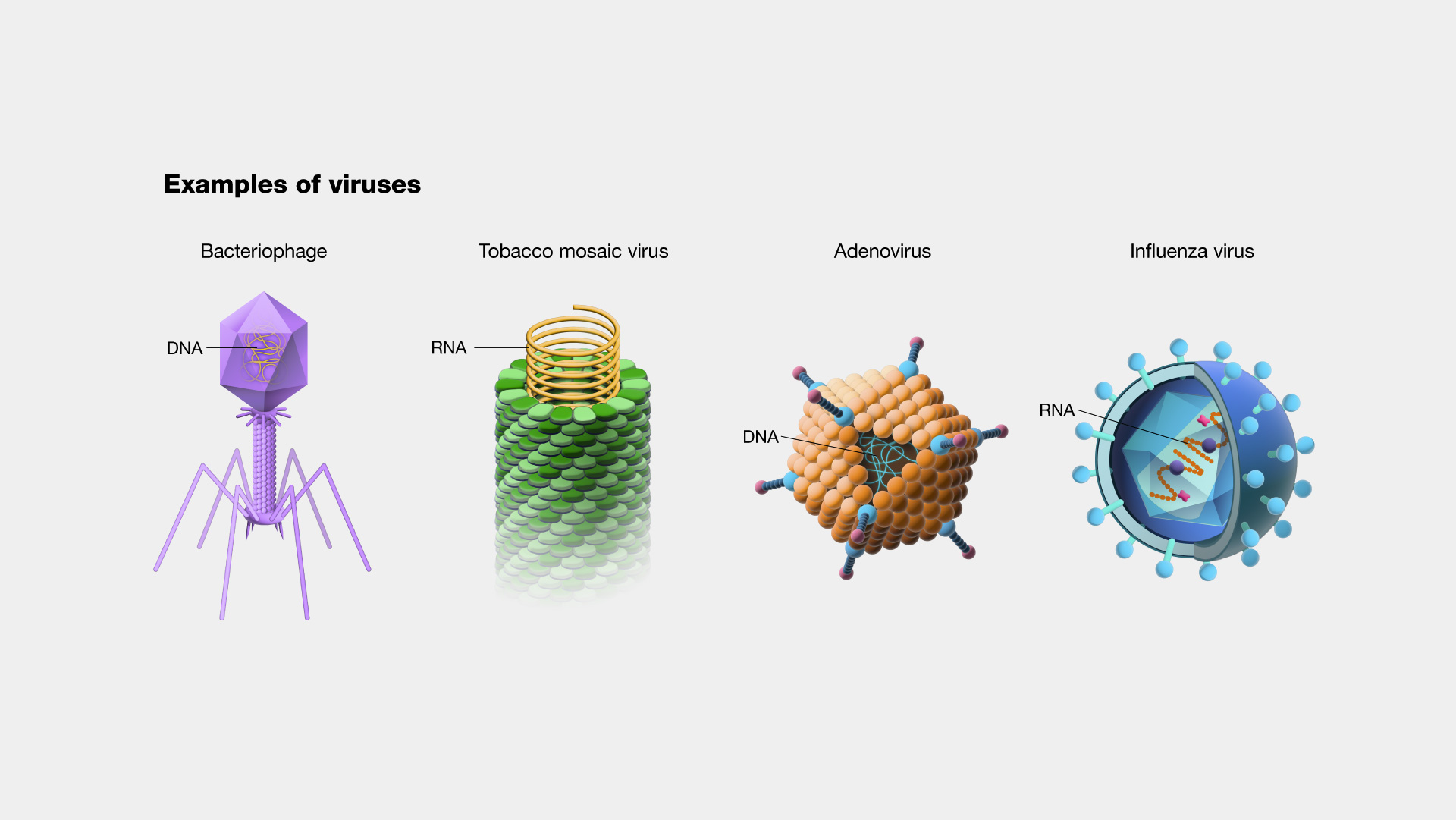
The three categories of viruses are cylindrical helical, envelope viruses, and icosahedral viruses. The cylindrical helical virus type is associated with the tobacco mosaic virus. Envelope viruses, such as influenza and HIV, come covered in a protective lipid envelope. Most animal viruses are classified as icosahedral and are nearly spherical in shape.
What are the 2 types of viruses
There are two types of viruses: single-stranded or double-stranded. DNA viruses can have their genetic material in a single string of instructions (ssDNA) or two sets that are paired together (dsDNA). RNA viruses are usually single-stranded, though there are some double-stranded RNA viruses.
How long does a virus last
A viral infection usually lasts only a week or two. But when you’re feeling rotten, this can seem like a long time! Here are some tips to help ease symptoms and get better faster: Rest.
What medicine kills viruses
Antivirals are medications used specifically to treat viral infections.
How many days do viruses last
A viral infection usually lasts only a week or two. But when you’re feeling rotten, this can seem like a long time! Here are some tips to help ease symptoms and get better faster: Rest.
How long does virus last in your body
Viral infections can vary a lot in how long they last. Respiratory infections can last a few days to two weeks. A wart on your skin can last for a year or longer. Hepatitis B and C can cause chronic infections that last for years.
What diseases are caused by viruses
Viruses are responsible for causing many diseases, including AIDS, common cold, Ebola, genital herpes, influenza, measles, chickenpox and shingles, and coronavirus disease 2019 (COVID-19).
What are the most common viruses
Common viral illnesses include colds, the flu, COVID-19, norovirus (“stomach flu”), HPV (warts), and herpes simplex virus (cold sores). Many viruses go away on their own, but some cause life-threatening or chronic illnesses.
How does a virus make you sick
Viruses make us sick by killing cells or disrupting cell function. Our bodies often respond with fever (heat inactivates many viruses), the secretion of a chemical called interferon (which blocks viruses from reproducing), or by marshaling the immune system’s antibodies and other cells to target the invader.
How do viruses start
Viruses may have arisen from mobile genetic elements that gained the ability to move between cells. They may be descendants of previously free-living organisms that adapted a parasitic replication strategy. Perhaps viruses existed before, or alongside, the cellular life forms they now infect.
Questions:
1. How do you get rid of a virus in your body?
Answer: Antiviral medications help the body fight off harmful viruses. The drugs can ease symptoms and shorten the length of a viral infection. Antivirals also lower the risk of getting or spreading viruses that cause herpes and HIV.
2. What are the symptoms of a virus?
Answer: Symptoms of COVID-19 include fever or chills, cough, shortness of breath or difficulty breathing, fatigue, muscle or body aches, headache, new loss of taste or smell, sore throat.
3. What are the three types of viruses?
Answer: The three categories of viruses are cylindrical helical, envelope viruses, and icosahedral viruses. The cylindrical helical virus type is associated with the tobacco mosaic virus. Envelope viruses, such as influenza and HIV, come covered in a protective lipid envelope. Most animal viruses are classified as icosahedral and are nearly spherical in shape.
4. What are the 2 types of viruses?
Answer: There are two types of viruses: single-stranded or double-stranded. DNA viruses can have their genetic material in a single string of instructions (ssDNA) or two sets that are paired together (dsDNA). RNA viruses are usually single-stranded, though there are some double-stranded RNA viruses.
5. How long does a virus last?
Answer: A viral infection usually lasts only a week or two. But when you’re feeling rotten, this can seem like a long time! Here are some tips to help ease symptoms and get better faster: Rest.
6. What medicine kills viruses?
Answer: Antivirals are medications used specifically to treat viral infections.
7. How many days do viruses last?
Answer: A viral infection usually lasts only a week or two. But when you’re feeling rotten, this can seem like a long time! Here are some tips to help ease symptoms and get better faster: Rest.
8. How long does virus last in your body?
Answer: Viral infections can vary a lot in how long they last. Respiratory infections can last a few days to two weeks. A wart on your skin can last for a year or longer. Hepatitis B and C can cause chronic infections that last for years.
9. What diseases are caused by viruses?
Answer: Viruses are responsible for causing many diseases, including AIDS, common cold, Ebola, genital herpes, influenza, measles, chickenpox and shingles, and coronavirus disease 2019 (COVID-19).
10. What are the most common viruses?
Answer: Common viral illnesses include colds, the flu, COVID-19, norovirus (“stomach flu”), HPV (warts), and herpes simplex virus (cold sores). Many viruses go away on their own, but some cause life-threatening or chronic illnesses.
11. How does a virus make you sick?
Answer: Viruses make us sick by killing cells or disrupting cell function. Our bodies often respond with fever (heat inactivates many viruses), the secretion of a chemical called interferon (which blocks viruses from reproducing), or by marshaling the immune system’s antibodies and other cells to target the invader.
12. How do viruses start?
Answer: Viruses may have arisen from mobile genetic elements that gained the ability to move between cells. They may be descendants of previously free-living organisms that adapted a parasitic replication strategy. Perhaps viruses existed before, or alongside, the cellular life forms they now infect.
How do you get rid of a virus in your body
Antiviral medications help the body fight off harmful viruses. The drugs can ease symptoms and shorten the length of a viral infection. Antivirals also lower the risk of getting or spreading viruses that cause herpes and HIV.
What are the symptoms of a virus
Symptoms of COVID-19Fever or chills.Cough.Shortness of breath or difficulty breathing.Fatigue.Muscle or body aches.Headache.New loss of taste or smell.Sore throat.
What are the three types of viruses
The Three Categories of Viruses
The cylindrical helical virus type is associated with the tobacco mosaic virus. Envelope viruses, such as influenza and HIV come covered in a protective lipid envelope. Most animal viruses are classified as icosahedral and are nearly spherical in shape.
What are the 2 types of viruses
Single-stranded or double-stranded.
DNA viruses can have their genetic material in a single string of instructions (ssDNA), or two sets that are paired together (dsDNA). (Human DNA is double-stranded.) RNA viruses are usually single-stranded, though there are some double-stranded RNA viruses.
Cached
How long does a virus last
A viral infection usually lasts only a week or two. But when you're feeling rotten, this can seem like a long time! Here are some tips to help ease symptoms and get better faster: Rest.
What medicine kills viruses
Antivirals are medications used specifically to treat viral infections.
How many days do viruses last
A viral infection usually lasts only a week or two. But when you're feeling rotten, this can seem like a long time! Here are some tips to help ease symptoms and get better faster: Rest.
How long does virus last in your body
Viral infections can vary a lot in how long they last, for instance: Respiratory infections can last a few days to two weeks. A wart on your skin can last for a year or longer. Hepatitis B and C can cause chronic infections that last for years.
What diseases are caused by viruses
Viruses are responsible for causing many diseases, including:AIDS.Common cold.Ebola.Genital herpes.Influenza.Measles.Chickenpox and shingles.Coronavirus disease 2019 (COVID-19)
What are the most common viruses
Common viral illnesses include colds, the flu, COVID-19, norovirus (“stomach flu”), HPV (warts) and herpes simplex virus (cold sores). Many viruses go away on their own, but some cause life-threatening or chronic illnesses.
How does a virus make you sick
Viruses make us sick by killing cells or disrupting cell function. Our bodies often respond with fever (heat inactivates many viruses), the secretion of a chemical called interferon (which blocks viruses from reproducing), or by marshaling the immune system's antibodies and other cells to target the invader.
How do viruses start
Viruses may have arisen from mobile genetic elements that gained the ability to move between cells. They may be descendants of previously free-living organisms that adapted a parasitic replication strategy. Perhaps viruses existed before, and led to the evolution of, cellular life.
What is the fastest way to get rid of a virus
The physician would recommend antiviral therapy to get rid of viruses. The treatment depends on the type of virus and its severity. Antiviral drugs, if given within 2 days after the onset of the symptoms, will prevent the infection and replication of viruses.
What medicine is good for viral infection
The drugs used for viral infection are Acyclovir (Zovirax), famciclovir (Famvir), and valacyclovir (Valtrex) are effective against herpesvirus, including herpes zoster and herpes genitalis. Drugs used for treatment for viral fever are Acetaminophen(Tylenolothers)ibuprofen (Advil,motrin IB others).
How can I get rid of a virus fast
Here are 12 tips to help you recover more quickly.Stay home. Your body needs time and energy to fight off the flu virus, which means that your daily routine should be put on the backburner.Hydrate.Sleep as much as possible.Ease your breathing.Eat healthy foods.Add moisture to the air.Take OTC medications.Try elderberry.
How long does a viral infection last
A viral infection usually lasts only a week or two. But when you're feeling rotten, this can seem like a long time! Here are some tips to help ease symptoms and get better faster: Rest.
How do you get rid of a virus fast
If your PC has a virus, following these ten simple steps will help you to get rid of it:Step 1: Download and install a virus scanner.Step 2: Disconnect from internet.Step 3: Reboot your computer into safe mode.Step 4: Delete any temporary files.Step 5: Run a virus scan.Step 6: Delete or quarantine the virus.
Can a virus go away on its own
The good news is that viral infections usually aren't serious. Most will go away in a few days without medical treatment. In the meantime, there are a few things you can do to make yourself more comfortable. Follow-up care is a key part of your treatment and safety.
How do you get rid of a virus in your body naturally
Load up on water, soups, and warm broths. Adding ginger, pepper, and garlic to your soups will help your body fight the viruses. The allicin present in garlic has antibacterial, antifungal, and antiviral properties. Studies have shown that eating raw garlic every day can boost immunity against the virus.
How long does virus last
A viral infection usually lasts only a week or two. But when you're feeling rotten, this can seem like a long time! Here are some tips to help ease symptoms and get better faster: Rest.
How long can a virus last
A viral infection usually lasts only a week or two. But when you're feeling rotten, this can seem like a long time! Here are some tips to help ease symptoms and get better faster: Rest.
How do viruses make you sick
Viruses make us sick by killing cells or disrupting cell function. Our bodies often respond with fever (heat inactivates many viruses), the secretion of a chemical called interferon (which blocks viruses from reproducing), or by marshaling the immune system's antibodies and other cells to target the invader.
Where are viruses found in the body
It is the sum of all the viruses within our body, found in every tissue from our blood to our brains, and even interwoven into the genetic code within our cells. Viruses are the most numerous organisms on earth.
How long does a virus last for
A viral infection usually lasts only a week or two. But when you're feeling rotten, this can seem like a long time! Here are some tips to help ease symptoms and get better faster: Rest.
How long will a viral infection last
A viral infection usually lasts only a week or two. But when you're feeling rotten, this can seem like a long time! Here are some tips to help ease symptoms and get better faster: Rest.


0 Comments