
Can someone steal my domain name?
Summary of the Article
Can anyone steal my domain?
Domain hijacking can be done in several ways, generally by unauthorized access to, or exploiting a vulnerability in the domain name registrar’s system, through social engineering, or getting into the domain owner’s email account that is associated with the domain name registration.
What happens if someone steals your domain?
If someone stole your domain name, then you will lose access to email, your website will go down, and you’ll lose that digital asset that quite possibly be very valuable. Unfortunately I’m seeing more and more domain name thefts occur recently, and it’s time to make sure that your domain name is protected.
How can someone take your domain name?
Phishing
One common way of stealing a domain name through phishing is the submission of fake messages purported to be sent by the domain name registrar. The message may state that the domain name holder needs to reactivate his account on the website of the domain name registrar.
Can hackers steal my domain name?
By using a variety of unethical or illegal tactics, a hacker can transfer the ownership of your domain from your name to someone else’s, and effectively gain control of your domain. That’s called domain hijacking and it’s something you should be aware of and take preventive measures against.
How do I stop someone from using my domain name?
Contact your registrar company
Whether somebody gained access to your account and is now in control of the domain, or they transferred the domain to a new registrar, the only company that can help you is the registrar that you pay to for the domain registration.
Can I protect my domain name?
Ask your registrar to put a transfer lock on your domain name. You can request that your registrar put a transfer lock on your domain name. Putting this lock on your domain name is not a fail-safe way to guard against unauthorized transfer or hijacking of your domain name, but it could be another layer of security.
Is domain theft common?
Domain stealing is a very common Internet crime. It can affect an entire company and cause you to go offline for several weeks or even months. And that’s if you’re lucky enough to get this resolved in time.
Do I need to protect my domain name?
Yes. Unless you want to sell your domain name, you need domain privacy protection to prevent people from accessing your personal contact information, reduce spam sales calls, and protect your website from hacking attempts.
Who owns the rights to a domain name?
Domain names are owned by whoever first registered the web address with an accredited registrar, such as Domain.com. In order for that person to maintain ownership, they have to pay registration fees and ensure that all of their contact details are up to date.
Can you get stolen domain name back?
Call and explain that someone transferred your domain without your consent. Supply any requested information and complete any required paperwork. If it can reasonably determine the transfer as fraudulent, your registrar can transfer the domain back to your control.
How do people hijack domains?
How Does Domain Hijacking Work Generally domain hijacking occurs through social engineers using deceptive practices to trick individuals into revealing sensitive information about their domain accounts. Attackers also breach security at registrar sites to gain access to the records of specific domains.
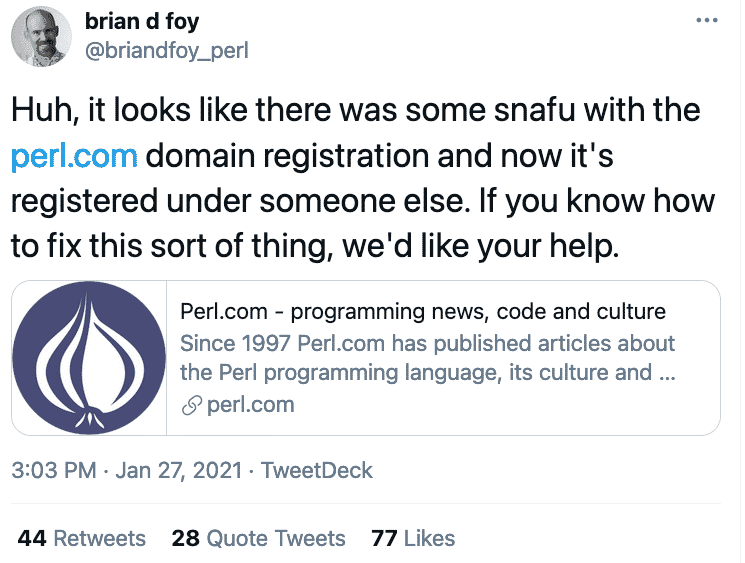
Can anyone steal my domain
Domain hijacking can be done in several ways, generally by unauthorized access to, or exploiting a vulnerability in the domain name registrar's system, through social engineering, or getting into the domain owner's email account that is associated with the domain name registration.
CachedSimilar
What happens if someone steals your domain
If someone stole your domain name, then you will lose access to email, your website will go down, and you'll lose that digital asset that quite possibly be very valuable. Unfortunately I'm seeing more and more domain name thefts occur recently, and it's time to make sure that your domain name is protected.
Cached
How can someone take your domain name
Phishing
One common way of stealing a domain name through phishing is the submission of fake messages purported to be sent by the domain name registrar. The message may state that the domain name holder needs to reactivate his account on the website of the domain name registrar.
Can hackers steal my domain name
By using a variety of unethical or illegal tactics, a hacker can transfer the ownership of your domain from your name to someone else's, and effectively gain control of your domain. That's called domain hijacking and it's something you should be aware of and take preventive measures against.
Cached
How do I stop someone from using my domain name
Contact your registrar company
Whether somebody gained access to your account and is now in control of the domain, or they transferred the domain to a new registrar, the only company that can help you is the registrar that you pay to for the domain registration.
Can I protect my domain name
Ask your registrar to put a transfer lock on your domain name. You can request that your registrar put a transfer lock on your domain name. Putting this lock on your domain name is not a fail-safe way to guard against unauthorized transfer or hijacking of your domain name, but it could be another layer of security.
Is domain theft common
Domain stealing is a very common Internet crime. It can affect an entire company and cause you to go offline for several weeks or even months. And that's if you're lucky enough to get this resolved in time.
Do I need to protect my domain name
Yes. Unless you want to sell your domain name, you need domain privacy protection to prevent people from accessing your personal contact information, reduce spam sales calls, and protect your website from hacking attempts.
Who owns the rights to a domain name
Domain names are owned by whoever first registered the web address with an accredited registrar, such as Domain.com. In order for that person to maintain ownership, they have to pay registration fees and ensure that all of their contact details are up to date.
Can you get stolen domain name back
Call and explain that someone transferred your domain without your consent. Supply any requested information and complete any required paperwork. If it can reasonably determine the transfer as fraudulent, your registrar can transfer the domain back to your control.
How do people hijack domains
How Does Domain Hijacking Work Generally domain hijacking occurs from unauthorized access to, or exploitation of a vulnerability in a domain name registrar, through social engineering, or by gaining access to the domain name owner's email address and then resetting the password to their domain name registrar.
Does GoDaddy steal domain names
In December 2019, our researchers identified that once again, domains registered at GoDaddy were being hijacked by means of changes being made to the nameserver records.
What are the risks of buying a domain name
Risks of Investing in Domains
The three largest risks are liquidity, subjectivity and legality, but there are also many other ranging from misleading appraisals to faulty escrow payments. Would-be buyers should carefully consider these risks before investing in domain names.
Can the owner of a domain be traced
You can find out who owns a domain by searching the WHOIS database to find key information such as registrant name, address status and phone number.
Who rules over a domain
Domain names are managed under a hierarchy headed by the Internet Assigned Numbers Authority (IANA), which manages the top of the DNS tree by administrating the data in the root nameservers.
How do domain names get hijacked
How are Domains Hijacked Domain hijacking occurs from illegal access to or exploitation of a common cybersecurity vulnerability in a domain name registrar, or from acquiring access to the domain name owner's email address and then changing the password to the owner's domain name registrar.
How do I stop spammers from using my domain
Add SPF record
SPF is an email verification and authentication tool that focuses on protection against spoofing. It allows you to determine IP addresses able to send emails using your domain. In other words, if the IP address doesn't match the domain, the email provider should block the message.
What criminals attempt to steal domains
Domain hijackers are malicious parties who try to take ownership of an existing domain name by taking advantage of the DNS registration system's vulnerabilities.
Does GoDaddy protect your domain
While GoDaddy domains include free domain privacy* to guard your personal info, our Full and Ultimate Domain Protection plans go further: they not only protect against threats like domain hijackers, but they can even prevent honest mistakes like accidental transfers or expirations — and shield you from unauthorized …
Should you protect your domain name
You are responsible for the security of your domain name. You should never give anyone the login information to your online account. This includes web hosting providers or web designers as well as friends and colleagues.
Does it matter who I buy my domain name from
Is There Any Difference Between Domain Registrars Not all registrars provide the same domain management features. Once you register a domain, it's yours – it doesn't matter which service you purchased it from. If a domain is available, you can usually buy it anywhere you'd like.
Who actually owns a domain name
Domain names are owned by whoever first registered the web address with an accredited registrar, such as Domain.com. In order for that person to maintain ownership, they have to pay registration fees and ensure that all of their contact details are up to date.
What rights does a domain owner have
Whoever is the legal owner of your domain name, that person has total control over it including – what Web site it points to, what domain name registrar maintains it, changing information about your domain name account, controlling who administers it, and being able to sell it.
Can you be sued over a domain name
A domain trademark dispute is a legal issue that arises between two businesses that are trying to use the same domain name. Domain names and trademarks are protected intellectual property and can, therefore, be enforced through legal action. Domain names can face two different types of disputes: Cybersquatting.
How did someone spoof my domain
Domain spoofing, a common form of phishing, occurs when an attacker appears to use a company's domain to impersonate a company or one of its employees. This can be done by sending emails with false domain names which appear legitimate, or by setting up websites with slightly altered characters that read as correct.


0 Comments