
What are the basics of Internet security?
Summary of the Article
Internet security is a crucial aspect of protecting our online activities. There are several key concepts and principles that form the foundation of network security, such as access control, virus and antivirus software, application security, and network analytics. Additionally, the four pillars of internet security encompass improving knowledge and awareness, enhancing computer device security, and fortifying data security. Furthermore, there are five basic principles of cyber security, including establishing the context before designing a system, making compromise difficult, making disruption difficult, facilitating compromise detection, and reducing the impact of compromise. The seven layers of security involve safeguarding mission-critical assets, securing data, endpoints, applications, networks, perimeters, and the human layer. Moreover, there are three major types of security, namely administrative, technical, and physical controls, which work together to protect business assets. The four main security technology components are deterrence, detection, delay, and response. Additionally, the information security model is composed of assets, vulnerabilities, threats, and controls. Cybersecurity concepts encompass dealing with confidentiality, integrity, availability, authentication, key management, physical security, and social engineering. A strong cybersecurity defense system consists of components such as asset management and identification, risk management, access management, threat management, security controls, disaster recovery and business continuity, incident management, and security education, training, and awareness. Security testing should cover six basic security concepts, including confidentiality, integrity, authentication, availability, authorization, and non-repudiation. The six principles of information security management are confidentiality, privacy, quality, availability, trustworthiness, and integrity. Lastly, the three A’s of computer security are authentication, authorization, and accounting.
Questions and Detailed Answers
1. What are the 3 basic concepts of network security?
Network Security involves access control, virus and antivirus software, application security, network analytics, types of network-related security (endpoint, web, wireless), firewalls, VPN encryption, and more.
2. What are the 4 pillars of internet security?
The four pillars are: Improve knowledge and awareness, improve computer device security, and improve data security.
3. What are the five 5 basic principles of cyber security?
Cyber security design principles include: Establish the context before designing a system, make compromise difficult, make disruption difficult, make compromise detection easier, and reduce the impact of compromise.
4. What are the 7 layers of security?
The Seven Layers Of Cybersecurity are mission-critical assets, data security, endpoint security, application security, network security, perimeter security, and the human layer.
5. What are the three major types of security?
When combined, administrative, technical, and physical controls provide a layered approach to security that is essential to protect business assets from potential threats.
6. What are the four 4 main security technology components?
The four components are deterrence, detection, delay, and response.
7. What are the four major components of the information security model?
This framework consists of four elements – assets, vulnerabilities, threats, and controls. We define each of these terms, provide examples for each, and describe how they are related to each other.
8. What are the 6 cybersecurity concepts?
They also include dealing with confidentiality, integrity, availability (known as the “CIA triad”), authentication, key management, physical security, and social engineering.
9. What are the 8 components of a strong cybersecurity defense system?
The eight most basic elements of a strong cybersecurity posture are asset management & identification, risk management, access management, threat management, security controls, disaster recovery & business continuity, incident management, and security education, training, and awareness.
10. What are the six basic security concepts?
The six basic security concepts that need to be covered by security testing are confidentiality, integrity, authentication, availability, authorization, and non-repudiation.
11. What are the six principles of security?
The six principles of information security management are confidentiality, privacy, quality, availability, trustworthiness, and integrity.
12. What are the 3 A’s of computer security?
Authentication, authorization, and accounting (AAA) is a security framework that controls access to computer resources, enforces policies, and audits usage.
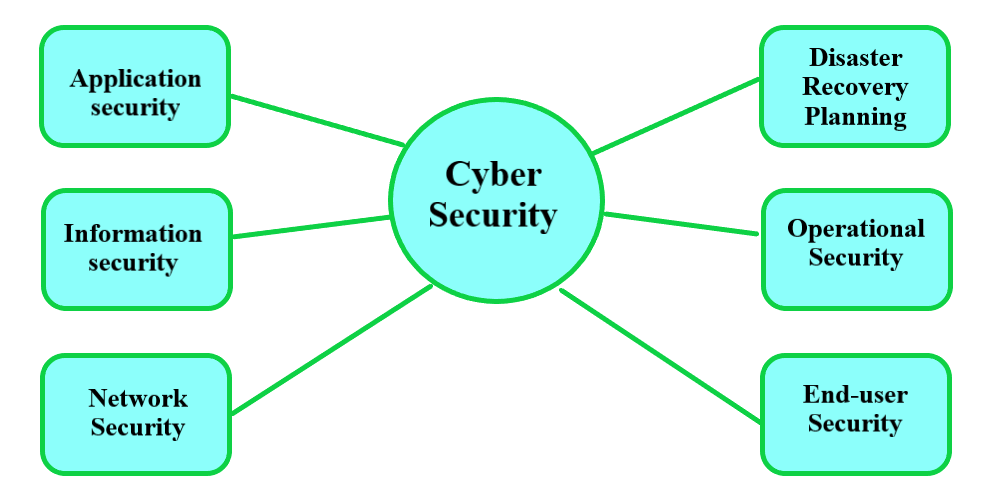
What are the 3 basic concepts of network security
Network Security involves access control, virus and antivirus software, application security, network analytics, types of network-related security (endpoint, web, wireless), firewalls, VPN encryption and more.
What are the 4 pillars of internet security
The four pillars are: Improve knowledge and awareness. Improve computer device security. Improve data security.
What are the five 5 basic principles of cyber security
Cyber security design principlesEstablish the context before designing a system.Make compromise difficult.Make disruption difficult.Make compromise detection easier.Reduce the impact of compromise.
What are the 7 layers of security
The Seven Layers Of CybersecurityMission-Critical Assets. This is data that is absolutely critical to protect.Data Security.Endpoint Security.Application Security.Network Security.Perimeter Security.The Human Layer.
What are the three major types of security
When combined, administrative, technical, and physical controls provide a layered approach to security that is essential to protect business assets from potential threats.
What are the four 4 main security technology components
The four components are:Deterrence. The initial layer of security; the goal of deterrence is to convince unwanted persons that a successful effort to enter an unauthorized area is unlikely.Detection.Delay.Response.
What are the four major components of the information security model
This framework consists of four elements – assets, vulnerabilities, threats, and controls. We define each of these terms, provide examples for each, and describe how they are related to each other.
What are the 6 cybersecurity concepts
They also include dealing with confidentiality, integrity, availability (known as the “CIA triad”), authentication, key management, physical security, and social engineering.
What are the 8 components of a strong cyber security defense system
The eight most basic elements of a strong cybersecurity posture are:Asset Management & Identification.Risk Management.Access Management.Threat Management.Security Controls.Disaster Recovery & Business Continuity.Incident Management.Security Education, Training, and Awareness.
What are the six basic security concepts
The six basic security concepts that need to be covered by security testing are: confidentiality, integrity, authentication, availability, authorization and non-repudiation.
What are the six principles of security
The Six Principles of Information SecurityManagement•The fundamental principles of informationsecurity include:•Confidentiality•Privacy•Quality•Availability•Trustworthiness•Integrity (Twomey, 2010).
What are the 3 A’s of computer security
Authentication, authorization, and accounting (AAA) is a security framework that controls access to computer resources, enforces policies, and audits usage.
What is the 3 types of computer security
The Different Types of CybersecurityNetwork Security. Most attacks occur over the network, and network security solutions are designed to identify and block these attacks.Cloud Security.Endpoint Security.Mobile Security.IoT Security.Application Security.Zero Trust.
What are the 3 core elements of information security
The CIA triad refers to an information security model made up of the three main components: confidentiality, integrity and availability.
What are the 3 A’s of cyber security
Authentication, Authorization, and Accounting (AAA) is a three-process framework used to manage user access, enforce user policies and privileges, and measure the consumption of network resources.
What are the six 6 types of attacks on network security
Six Types Of Cyber Threats To Protect AgainstMalware. Malware is an umbrella term for many forms of harmful software — including ransomware and viruses — that sabotage the operation of computers.Phishing.SQL Injection Attack.Cross-Site Scripting (XSS) Attack.Denial of Service (DoS) Attack.Negative Commentary Attacks.
What are the core principles in security
Confidentiality, integrity, and availability are the core information security principles (CIA). Together, these three principles are read as the CIA triad. These three principles help maintain the core requirement of InfoSec for the safe storage, utilisation, and transmission of information.
What are the main three 3 objectives of security
Included in this definition are three terms that are generally regarded as the high-level security objectives – integrity, availability, and confidentiality.
What is the difference between computer security and cyber security
Computer security deals with protecting your physical computers, laptops, and other devices. It also involves proper updating and patching of these systems. Yet, cyber security can encompass all of these activities by protecting the data stored in your networks and on your computers, printers, and more.
What is the most common form of computer security
How Do You Secure Your ComputerTwo-way authentication. Two-factor authentication adds a layer of security to the authentication process by making it harder for attackers to gain access to a person's devices or online accounts.Secure passwords.Regular updates.Antivirus.Firewalls.Anti-Phishing Tactics.Encryption.
What is the difference between information security and cyber security
An information security expert may develop the means of data access by authorized individuals or establish security measures to keep information safe. Cybersecurity, on the other hand, focuses on protecting information from cyberattacks such as ransomware and spyware.
What are the three main categories of security
In this article, we have examined the three basic security controls – technical, administrative, and physical.
What are the 6 Ds of cyber security
In this article, we will discuss the 6 D's of cyber security and how you can implement them in your own cyber-defense strategy — Deter, Detect, Defend, Deflect, Document, and Delay. Creating a holistic approach to your cyber-security plan using these six references can drastically reduce your organization's risk.
What are four 4 common attacks on WIFI
The most common types of wireless network attacks are the following:packet sniffing.rogue access points.Wi-Fi phishing and evil twins.spoofing attacks.encryption cracking.MitM attacks.DoS attacks.Wi-Fi jamming.
What are the 10 forms of cyber security
10 steps to cyber securityRisk management regime. Assess the risks to your organisation's information and systems by embedding an appropriate risk management regime.Secure configuration.Network security.Managing user privileges.User education and awareness.Incident management.Malware prevention.Monitoring.


0 Comments