
How do I run a system check on Windows 10?
Summary of the Article: Running System Checks on Windows 10
1. How do I run a full diagnostic on my computer?
On Windows 10, go to Settings > Update & Security > Troubleshoot. On Windows 11, go to Start > Settings > System > Troubleshoot. Choose a troubleshooter for your problem.
2. Should I run DISM or SFC first?
Run SFC first, and only if SFC finds a problem is it necessary to run DISM. Run SFC first, and — no matter what SFC reports — you might as well run DISM after that.
3. How do I check my hardware health on Windows 10?
Check your device performance and health in Windows Security. In the search box on the taskbar, type Windows Security, and then select it from the results. Select Device performance & health to view the Health report.
4. How do I run a repair on Windows 10?
Select Start > Settings > Update & Security > Troubleshoot, or select the Find troubleshooters shortcut at the end of this topic. Select the type of troubleshooting you want to do, then select Run the troubleshooter. Allow the troubleshooter to run and then answer any questions on the screen.
5. How do I pull up system diagnostics?
In Windows 10, go to Start, then select Settings > Privacy > Diagnostics & feedback. In Windows 11, go to Start, then select Settings > Privacy & security > Diagnostics & feedback.
6. How do you diagnose a computer problem?
Tech Tips to Troubleshoot a Computer:
- Determine the who, what, and when of the issue you’re experiencing.
- Consult Google.
- Reboot.
- Check Connections.
- Look for Program Updates.
- Close Background Tasks.
- Clean Up Your Hard Drive.
- Run an Antivirus Program.
7. Does DISM fix corrupt files?
In short, DISM is not a complete reinstallation of Windows; instead, it finds critical core files required to run and gather information, then upgrades or repairs any files that are corrupted or out-of-date.
8. How do I run DISM and system file checker?
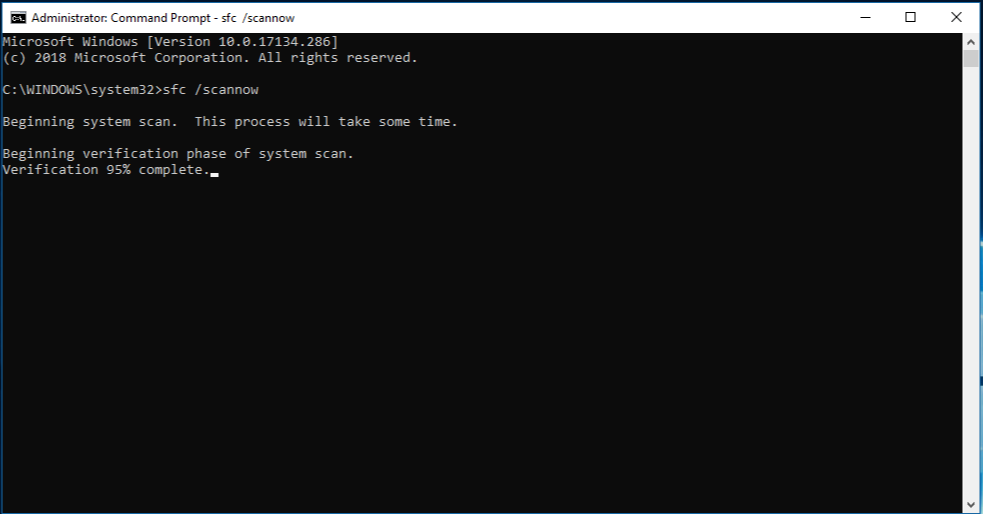
Click Start. In the search bar, type CMD. Right-click CMD.exe and select Run as Administrator. On the User Account Control (UAC) prompt, click Yes. In the command prompt window, type SFC /scannow and press Enter. System file checker utility checks the integrity of Windows system files and repairs them if required.
9. How do I check my computer hardware problems?
And this will show you a progress graph on the left side click on the reports. And then click on the system. Select system diagnostics to check the stats. Close the performance monitor.
10. How do I know if my computer hardware is failing?
Signs of a hardware issue:
- Slow downloads
- ‘Blue screen of death’ or equivalent
- Corrupt files
- Slow access to files
- Sudden computer shut-off
- Graphics errors (for example, computer screen is jumbled)
- Unusual noises
11. How do I run scan and repair on Windows 10?
Click Start. In the search bar, type CMD. Right-click CMD.exe and select Run as Administrator. On the User Account Control (UAC) prompt, click Yes. In the command prompt window, type SFC /scannow and press Enter. System file checker utility checks the integrity of Windows system files and repairs them if required.
How do I run a full diagnostic on my computer
How Do I Run a Diagnostic Test on My ComputerOn Windows 10, go to Settings > Update & Security > Troubleshoot. On Windows 11, go to Start > Settings > System > Troubleshoot.Choose a troubleshooter for your problem. Options include Bluetooth, Keyboard, Windows Update, and Internet Connections.
Cached
Should I run DISM or sfc first
Run SFC first, and only if SFC finds a problem is it necessary to run DISM. Run SFC first, and — no matter what SFC reports — you might as well run DISM after that.
How do I check my hardware health on Windows 10
Check your device performance and health in Windows SecurityIn the search box on the taskbar, type Windows Security, and then select it from the results.Select Device performance & health to view the Health report.
How do I run a repair on Windows 10
Select Start > Settings > Update & Security > Troubleshoot, or select the Find troubleshooters shortcut at the end of this topic. Select the type of troubleshooting you want to do, then select Run the troubleshooter. Allow the troubleshooter to run and then answer any questions on the screen.
How do I pull up system diagnostics
In Windows 10, go to Start , then select Settings > Privacy > Diagnostics & feedback. In Windows 11, go to Start , then select Settings > Privacy & security > Diagnostics & feedback.
How do you diagnose a computer problem
Tech Tips to Troubleshoot a ComputerWhat's Wrong Determine the who, what, and when of the issue you're experiencing.Consult Google.Reboot.Check Connections.Look for Program Updates.Close Background Tasks.Clean Up Your Hard Drive.Run an Antivirus Program.
Does DISM fix corrupt files
In short, DISM is not a complete reinstallation of Windows; instead, it finds critical core files required to run and gather information, then upgrades or repairs any files that are corrupted or out-of-date.
How do I run DISM and system file checker
Click Start.In the search bar, type CMD .Right-click CMD.exe and select Run as Administrator.On the User Account Control (UAC) prompt, click Yes.In the command prompt window, type SFC /scannow and press Enter .System file checker utility checks the integrity of Windows system files and repairs them if required.
How do I check my computer hardware problems
And this will show you a progress graph on the left side click on the reports. And then click on the system. Select system diagnostics to check the stats. Close the performance monitor.
How do I know if my computer hardware is failing
Signs of a hardware issueSlow downloads.'Blue screen of death' or equivalent.Corrupt files.Slow access to files.Sudden computer shut-off.Graphics errors (for example, computer screen is jumbled)Unusual noises.
How do I run scan and repair on Windows 10
Click Start.In the search bar, type CMD .Right-click CMD.exe and select Run as Administrator.On the User Account Control (UAC) prompt, click Yes.In the command prompt window, type SFC /scannow and press Enter .System file checker utility checks the integrity of Windows system files and repairs them if required.
How do I fix a corrupted Windows 10
How to repair Windows 10 (and 11) in 4 stepsThe Windows 10 (or 11) repair drill.Step 1: Using DISM and SFC for system repair.Step 2: Try a recent restore point or image backup.Step 3: In-place upgrade to current Windows 10 version.Step 4: Completely reinstall Windows 10.Picking up the pieces after the repair.
What is the shortcut for system diagnostics
Generate a Windows 10 System Diagnostic Report
Hit Windows Key + R on your keyboard to launch the Run dialog box and type: perfmon /report and hit Enter or click OK. You can run that same command from the Command Prompt (Admin) to generate the report, too.
How do you troubleshoot a system
9.2 General Steps to Troubleshoot an IssueIdentify the symptom: Identify the Type of Issue. Find the problem area.Eliminate non-issues: Make sure the correct patches, drivers, and operating systems are installed.Find the cause: Check for typical causes in the area.Find the fix: Find a possible workaround.
What are 3 ways you can troubleshoot your computer
7 general tips for troubleshooting computer problemsTurn it off, and then turn it on again.If you don't know something, ask!Start with simple fixes, and then rule out possibilities from there.Check your device connections.Boot your computer in Safe Mode.Keep your programs up-to-date.
How do you perform a DISM scan
Check Health: Open an elevated Command Prompt and type DISM /online /cleanup-image /checkhealth . This is a quick scan and will determine if the image is repairable. Scan Health: Open an elevated Command Prompt and type DISM /online /cleanup-image /scanhealth . This will check if there are any corruptions detected.
How do I know if my system files are corrupted
In the command prompt window, type SFC /scannow and press Enter . System file checker utility checks the integrity of Windows system files and repairs them if required.
How to repair Windows 10 with CMD
Repair Windows 10 Using Command Prompt FAQsEntering the CMD windows.Type in sfc /scannow, and press the Enter key.If the SFC command doesn't work.Type in DISM /Online /Cleanup-Image /ScanHealth to scan the corruptions of Windows images.Type in DISM /Online /Cleanup-Image /RestoreHealth /Source:repairSource\install.
How to use DISM command to repair Windows
Repair corrupted filesOpen an elevated Command Prompt and type DISM /online /cleanup-image /restorehealth .Once the scan is complete, your system will automatically connect to the Windows Update service to download and replace the corrupt files.If the scan fails, please rerun it in Safe Mode.
How to diagnose hardware error Windows 10
Performance Monitor
Open the Start menu, search for its name, and click on the link to open the app. You may have to wait for a few seconds while the app collects data. If you want a quick overview of your system's hardware, use the left-hand panel to navigate to Reports > System > System Diagnostics > [Computer Name].
What are examples of common computer hardware problems
Some of the most common PC hardware problems that need troubleshooting are:Your computer won't turn on.Your computer turns on, but still doesn't work.Your computer screen freezes.Your computer has insufficient memory.You get a CMOS error.Your operating system is missing or your hard drive isn't detected.
How do I check if hardware is working properly
Welcome to this tutorial. How to test for hardware failures in a computer click on the windows search bar at the bottom left type performance monitor in the search bar from the search result click on
How do I scan my computer for problems
Right-click CMD.exe and select Run as Administrator. On the User Account Control (UAC) prompt, click Yes. In the command prompt window, type SFC /scannow and press Enter . System file checker utility checks the integrity of Windows system files and repairs them if required.
How do I troubleshoot a corrupted Windows 10
Run the System File Checker tool (SFC.exe)Open an elevated command prompt. To do this, do the following as your appropriate:If you are running Windows 10, Windows 8.1 or Windows 8, first run the inbox Deployment Image Servicing and Management (DISM) tool prior to running the System File Checker.
Can I run chkdsk in Windows 10
Run CHKDSK from your computer
You can use the check disk utility from within Windows, and it'll scan your drive for errors. Here's how to run CHKDSK in Windows 10: Type chkdsk in the search box in your taskbar. Right-click chkdsk and choose Run as Administrator.


0 Comments