
How long does it take to buy a house with FHA loan?
Summary of the Article: How long does it take to buy a house with FHA loan?
It takes around 47 days to close on an FHA mortgage loan. FHA refinances are faster and take around 32 days to close on average.
To qualify for an FHA loan, you need a 3.5% down payment, 580 credit score, and 43% DTI ratio. An FHA loan is easier to get than a conventional mortgage. The FHA offers several types of home loans, including loans for home improvements.
FHA loan underwriting took an average of 54 days: 54 days for a new home purchase and 55 days for a refinance in 2021. New purchases ranged from 50 to 61 days in 2021, with refinances ranging from 60 to 65 days.
A Federal Housing Administration credit approval is valid for up to 90 days after your lender notifies you that your loan has been approved by the FHA.
A mortgage underwriter typically denies about 1 in 10 mortgage loan applications. A mortgage loan application can be denied for many reasons, including a borrower’s low credit score, recent employment change, or high debt-to-income ratio.
The three primary factors that can disqualify you from getting an FHA loan are a high debt-to-income ratio, poor credit, or lack of funds to cover the required down payment, monthly mortgage payments, or closing costs.
Because FHA loans help low- to moderate-income borrowers with less-than-stellar credit become homeowners, sellers may feel that FHA buyers are less likely to be approved for a loan than conventional borrowers.
According to a 2020 report by the Consumer Financial Protection Bureau (CFPB), FHA borrowers are more likely to be denied for FHA loans than all other loan types: 14.1% of FHA purchase loans and 22.2% of FHA refinance applications were turned down in 2020.
There are three popular reasons – bad credit, high debt-to-income ratio, and overall insufficient money to cover the down payment and closing costs of a home.
One of the next steps to buying a home with an FHA loan is agreeing to an FHA inspection by an approved appraiser who will determine the value of the home.
Some home sellers see the FHA loan as a riskier loan than a conventional loan because of its stricter approval and appraisal requirements. Additionally, the loan’s more lenient financial requirements for borrowers may leave the seller with a negative perception.
Questions:
- What is the fastest time to close on a FHA loan?
- Is it harder to buy with an FHA loan?
- How long does the underwriter take to approve an FHA loan?
- How long is a FHA loan good for once approved?
- How often do underwriters deny FHA loans?
- What will disqualify you from an FHA loan?
- Why do sellers reject FHA loans?
- How often do FHA loans get denied?
- What would cause an underwriter to deny FHA mortgage?
- What happens after FHA loan is approved?
- Why would an FHA loan not be accepted?
Answers:
- It takes around 47 days to close on an FHA mortgage loan. FHA refinances are faster and take around 32 days to close on average.
- To qualify for an FHA loan, you need a 3.5% down payment, 580 credit score, and 43% DTI ratio. An FHA loan is easier to get than a conventional mortgage. The FHA offers several types of home loans, including loans for home improvements.
- FHA loan underwriting took an average of 54 days: 54 days for a new home purchase and 55 days for a refinance in 2021. New purchases ranged from 50 to 61 days in 2021, with refinances ranging from 60 to 65 days.
- A Federal Housing Administration credit approval is valid for up to 90 days after your lender notifies you that your loan has been approved by the FHA.
- A mortgage underwriter typically denies about 1 in 10 mortgage loan applications. A mortgage loan application can be denied for many reasons, including a borrower’s low credit score, recent employment change, or high debt-to-income ratio.
- The three primary factors that can disqualify you from getting an FHA loan are a high debt-to-income ratio, poor credit, or lack of funds to cover the required down payment, monthly mortgage payments, or closing costs.
- Because FHA loans help low- to moderate-income borrowers with less-than-stellar credit become homeowners, sellers may feel that FHA buyers are less likely to be approved for a loan than conventional borrowers.
- According to a 2020 report by the Consumer Financial Protection Bureau (CFPB), FHA borrowers are more likely to be denied for FHA loans than all other loan types: 14.1% of FHA purchase loans and 22.2% of FHA refinance applications were turned down in 2020.
- There are three popular reasons – bad credit, high debt-to-income ratio, and overall insufficient money to cover the down payment and closing costs of a home.
- One of the next steps to buying a home with an FHA loan is agreeing to an FHA inspection by an approved appraiser who will determine the value of the home.
- Some home sellers see the FHA loan as a riskier loan than a conventional loan because of its stricter approval and appraisal requirements. Additionally, the loan’s more lenient financial requirements for borrowers may leave the seller with a negative perception.
What is the fastest time to close on a FHA loan
It takes around 47 days to close on an FHA mortgage loan. FHA refinances are faster and take around 32 days to close on average.
Is it harder to buy with an FHA loan
To qualify for an FHA loan, you need a 3.5% down payment, 580 credit score, and 43% DTI ratio. An FHA loan is easier to get than a conventional mortgage. The FHA offers several types of home loans, including loans for home improvements.
How long does the underwriter take to approve an FHA loan
54 days
How long does underwriting take for an FHA loan FHA loan underwriting took an average of 54 days: 54 days for a new home purchase and 55 days for a refinance in 2021. New purchases ranged from 50 to 61 days in 2021, with refinances ranging from 60 to 65 days.
How long is a FHA loan good for once approved
90 days
A Federal Housing Administration credit approval is valid for up to 90 days after your lender notifies you that your loan has been approved by the FHA.
How often do underwriters deny FHA loans
about 1 in 10 mortgage
How often does an underwriter deny a loan A mortgage underwriter typically denies about 1 in 10 mortgage loan applications. A mortgage loan application can be denied for many reasons, including a borrower's low credit score, recent employment change or high debt-to-income ratio.
What will disqualify you from an FHA loan
The three primary factors that can disqualify you from getting an FHA loan are a high debt-to-income ratio, poor credit, or lack of funds to cover the required down payment, monthly mortgage payments or closing costs.
Why do sellers reject FHA loans
FHA Underwriting Worries Some Sellers
Because FHA loans help low- to moderate-income borrowers with less-than-stellar credit become homeowners, sellers may feel that FHA buyers are less likely to be approved for a loan than conventional borrowers.
How often do FHA loans get denied
How often are FHA loans denied in underwriting According to a 2020 report by the Consumer Financial Protection Bureau (CFPB), FHA borrowers are more likely to be denied for FHA loans than all other loan types: 14.1% of FHA purchase loans and 22.2% of FHA refinance applications were turned down in 2020.
What would cause an underwriter to deny FHA mortgage
There are three popular reasons – bad credit, high debt-to-income ratio, and overall insufficient money to cover the down payment and closing costs of a home.
What happens after FHA loan is approved
4. FHA Property Inspection and Appraisal. After you have been approved for an FHA loan, now what One of the next steps to buying a home with an FHA loan is agreeing to an FHA inspection by an approved appraiser who will determine the value of the home.
Why would an FHA loan not be accepted
Why Do Some Sellers Not Accept FHA Loans Some home sellers see the FHA loan as a riskier loan than a conventional loan because of its stricter approval and appraisal requirements. Additionally, the loan's more lenient financial requirements for borrowers may leave the seller with a negative perception.
What credit score does FHA look at
To qualify for an FHA-insured loan, you need a minimum credit score of 580 for a loan with a 3.5% down payment, and a minimum score of 500 with 10% down. However, many FHA lenders require credit scores of at least 620. Dina Gerdeman is a business writer and editor based in the Boston area.
What disqualifies you from a FHA loan
The three primary factors that can disqualify you from getting an FHA loan are a high debt-to-income ratio, poor credit, or lack of funds to cover the required down payment, monthly mortgage payments or closing costs.
What will disqualify you from a FHA loan
The three primary factors that can disqualify you from getting an FHA loan are a high debt-to-income ratio, poor credit, or lack of funds to cover the required down payment, monthly mortgage payments or closing costs.
How often are FHA loans denied
How often are FHA loans denied in underwriting According to a 2020 report by the Consumer Financial Protection Bureau (CFPB), FHA borrowers are more likely to be denied for FHA loans than all other loan types: 14.1% of FHA purchase loans and 22.2% of FHA refinance applications were turned down in 2020.
Can an FHA loan be denied after pre-approval
Being pre-approved for an FHA loan doesn't guarantee your mortgage loan will reach conditional approval or final approval, but there are steps you can take if it's denied. Once you understand why your loan was denied, you can ask to clarify issues, improve your financial portrait, or work with another lender.
Who gets denied an FHA loan
There are three popular reasons – bad credit, high debt-to-income ratio, and overall insufficient money to cover the down payment and closing costs of a home.
What percent do you put down on a FHA loan
3.5%
FHA home loans require a down payment of 3.5% of the purchase price for home buyers with a credit score of 580 or above. If your score is between 500 and 579, you're required to put 10% down.
Why do sellers avoid FHA
FHA Underwriting Worries Some Sellers
Because FHA loans help low- to moderate-income borrowers with less-than-stellar credit become homeowners, sellers may feel that FHA buyers are less likely to be approved for a loan than conventional borrowers.
How much do I need to make to buy a $300 K house with FHA loan
between $50,000 and $74,500 a year
To purchase a $300K house, you may need to make between $50,000 and $74,500 a year. This is a rule of thumb, and the specific salary will vary depending on your credit score, debt-to-income ratio, type of home loan, loan term, and mortgage rate.
What would the minimum down payment be for an FHA loan of $250000
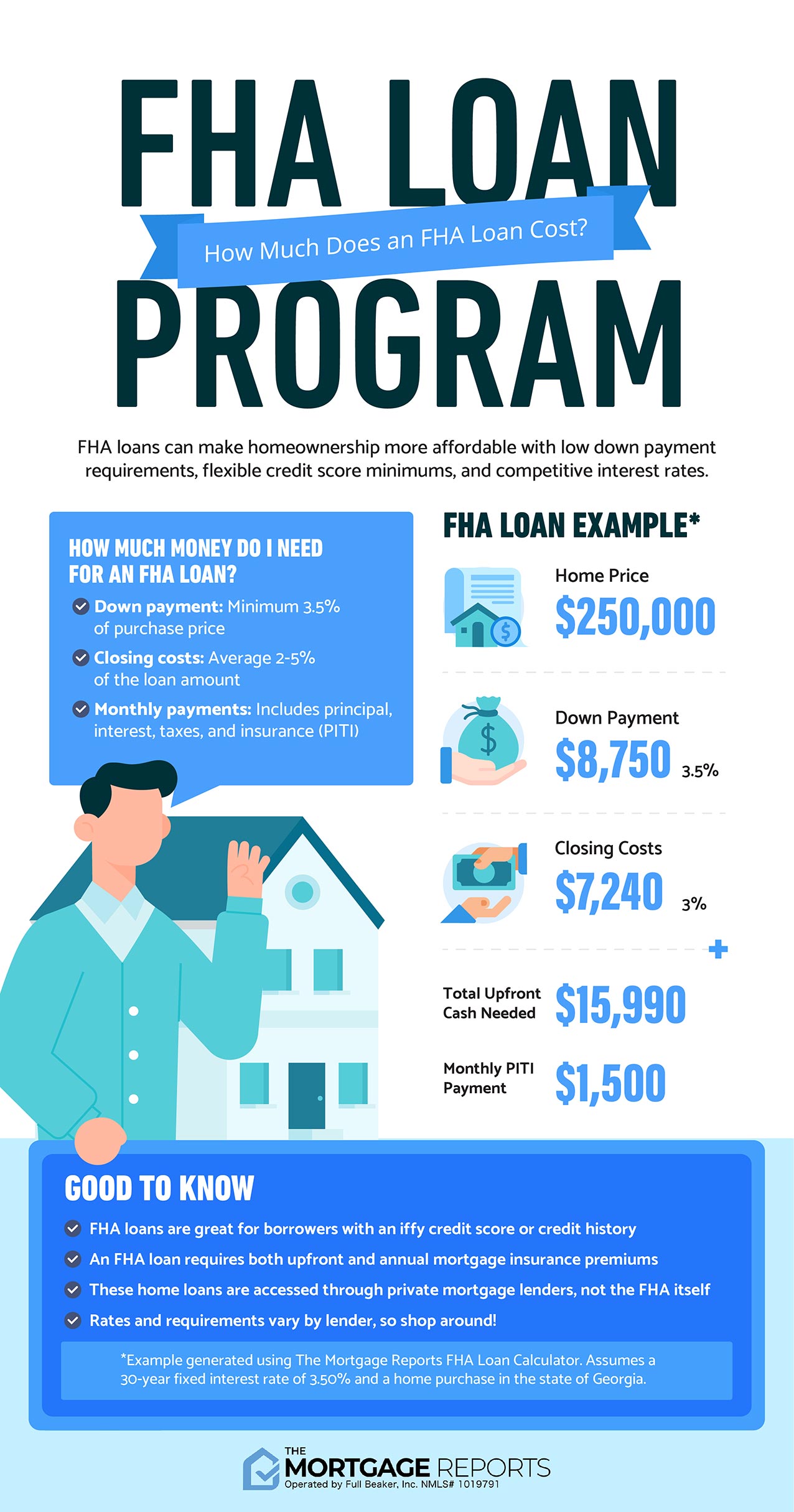
For example, if you're planning to buy a home for $250,000 and your score is at least 580, you'll only need a $8,750 down payment. Your minimum down payment will rise to $25,000 if your credit score is between 500 and 579.
What would disqualify you from an FHA loan
The three primary factors that can disqualify you from getting an FHA loan are a high debt-to-income ratio, poor credit, or lack of funds to cover the required down payment, monthly mortgage payments or closing costs.
What are negatives in getting a FHA loan
What are the Drawbacks of FHA LoansYou're required to pay a mortgage insurance premium (MIP).There are loan maximums.There are minimum property standards.Some sellers might be less likely to accept offers coming from FHA buyers.You could end up paying more over the long term.
Can I afford a 300k house on a 50k salary
A person who makes $50,000 a year might be able to afford a house worth anywhere from $180,000 to nearly $300,000. That's because annual salary isn't the only variable that determines your home buying budget. You also have to consider your credit score, current debts, mortgage rates, and many other factors.
How much income do I need for a 200k FHA loan
How much income do I need for a 200k FHA loan To qualify for a 200k FHA loan, you will need income of about $45,000 per year. This assumes your property taxes will be about $3000 per year, the interest rate at 5%, and no other debt on your credit report.


0 Comments