
Can malware destroy SSD?
Can malware infect SSD?
Any device that stores data can be susceptible to malware infection, including solid-state drives (SSDs).
What could damage an SSD?
SSD failure can be caused by factors such as bad sectors, virus damage, short circuits, and corrupt data. Faulty wiring can also lead to SSD failure.
How do I wipe my SSD from malware?
To wipe an SSD and remove malware, you can restart your computer, enter your BIOS, find the storage drive you want to wipe, and use a Secure Erase option to wipe the drive.
Can malware cause hard drive failure?
Malware or virus attacks can cause mechanical failures, bad sectors, data corruption, and improper power supply, which can lead to hard drive failure.
What degrades an SSD?
SSD degradation can occur due to inefficient data writing processes. For example, an application may write 128kb of data, but internally on the SSD, 512kb of data may need to be written, which degrades SSD write performance.
Can SSD be hacked?
Hackers can manipulate the over-provisioning section on an SSD, accessing previously stored but undeleted data. This can compromise the security and privacy of the SSD.
Can damaged SSD be recovered?
Yes, it is possible to recover data from a failed, dead, or broken SSD. However, the process can be complex due to the advanced technology used in SSD construction.
How do I know if my SSD is damaged?
Signs of SSD failure include an inability to read or write files, slow computer performance, boot errors, frequent crashes, and the drive becoming read-only.
How does an SSD get corrupted?
SSDs can be vulnerable to malfunctions, especially during power surges or failures. A power failure can lead to data corruption, even if the SSD itself hasn’t completely failed.
Can corrupted SSD be recovered?
Yes, it is possible to recover data from a corrupted SSD, but the process can be complicated due to the advanced technology used in SSDs.
Can a Trojan virus destroy a hard drive?
Yes, a Trojan virus can have destructive effects, including deleting files or destroying the entire contents of a hard disk.
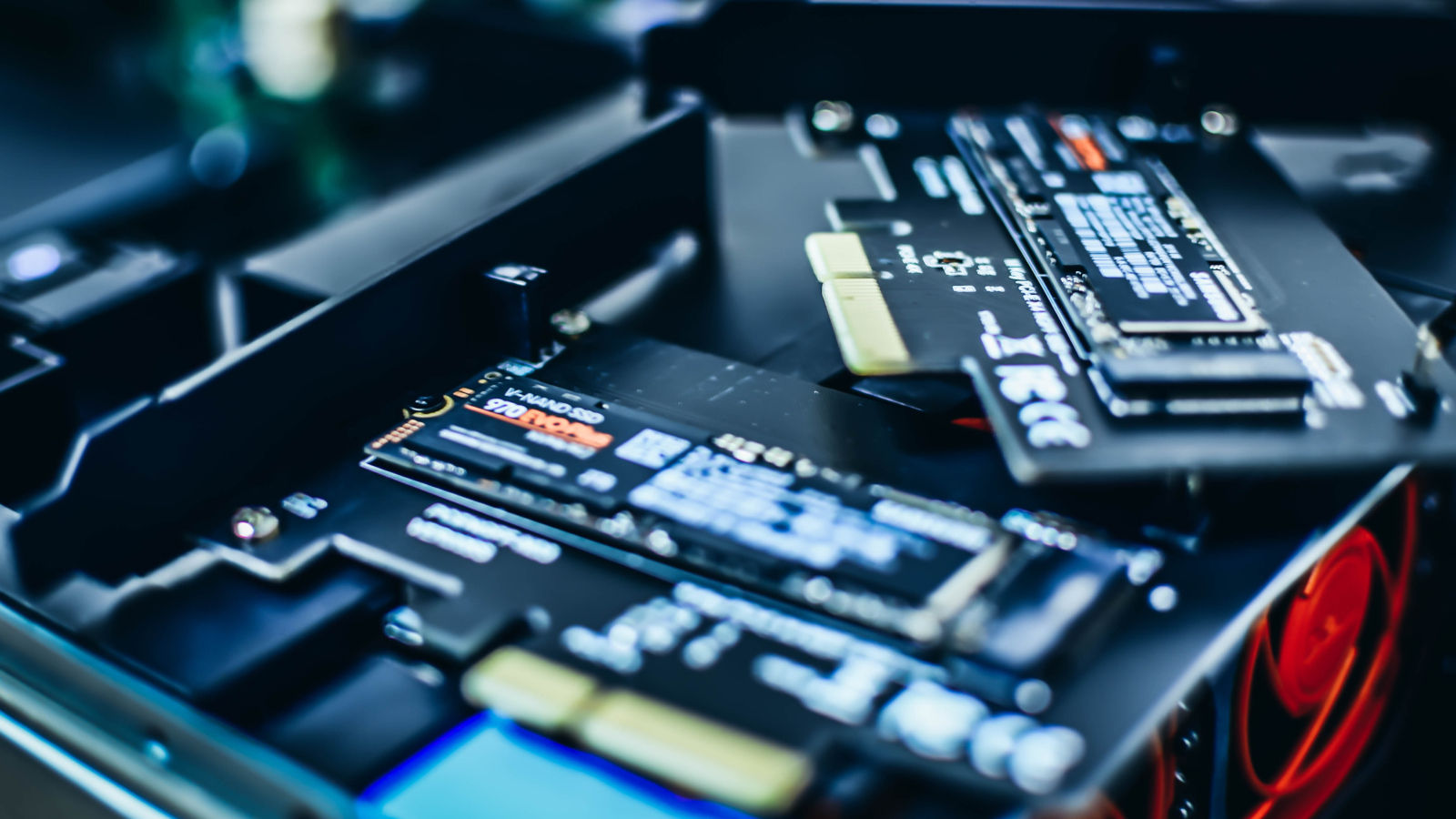
Can malware infect SSD
Can an SSD get a virus Any device that stores data can theoretically have a malware infection like a virus, whether it's a hard disk drive or an solid-state drive.
What could damage an SSD
SSD Data Corruption can Cause a Drive to Fail. Thus, Leading to Loss of Data. Solid State Drive failures are caused by factors such as bad sectors, virus damage, short circuits, and corrupt data. And, SSD failure is a likely in the event of faulty wiring.
How do I wipe my SSD from malware
How to wipe an SSDRestart your computer.Enter your Bios.Find the storage drive you want to wipe.Find a Secure Erase option.Use Secure Erase to wipe your drive.
Cached
Can malware cause hard drive failure
Mechanical failure in your hard drive can occur due to moving parts, malware or virus attack, bad sectors, improper power supply and so on. These reasons could lead to hard drive failure or damage and data corruption.
What degrades an SSD
The Reason for SSD Degradation
For example, an application on the Windows Server system writes out 128kb of data to the SSD, but internally on the SSD, 512kb of data had to be written on the SSD for this to occur. This will degrade SSD write performance.
Can SSD be hacked
Hackers can change the size of the over-provisioning section on an SSD, creating space that essentially is lost to visibility. That means they can snoop around on data that has previously been stored there but hasn't been deleted – with the researchers able to dredge up data on NAND flash memory that is six months old.
Can damaged SSD be recovered
Yes, it is possible to recover data from a failed, dead, or broken SSD. While you have the option to perform SSD failure recovery, you must note that it can be a complicated process. �� SSDs are different from regular hard drives because their construction is more technologically sophisticated.
How do I know if my SSD is damaged
SSD FailureFiles can't be read from or written to the drive.The computer runs excessively slow.The computer won't boot, you get a flashing question mark (on Mac) or “No boot device” error (on Windows).Frequent “blue screen of death/black screen of death” errors.Apps freeze or crash.Your drive becomes read-only.
How does a SSD get corrupted
SSDs require a capacitor and power supplies, which are vulnerable to malfunctions—especially in the case of a power surge or power failure. In fact, in the case of a power failure, SSDs have also been known to corrupt existing data, even if the drive itself hasn't failed completely.
Can corrupted SSD be recovered
Yes, it is possible to recover data from a failed, dead, or broken SSD. While you have the option to perform SSD failure recovery, you must note that it can be a complicated process. �� SSDs are different from regular hard drives because their construction is more technologically sophisticated.
Can a Trojan virus destroy a hard drive
A Trojan is a type of virus that can have highly destructive effects: from deleting files to destroying all the contents of the hard disk.
Does malware permanently damage your computer
A virus can cause damage to a computer that can take hours to rectify and can cause irreparable damage to your data by either corrupting it or deleting it altogether.
What is the life expectancy of a SSD
SSDs Have a Long Lifespan
Since SSDs don't have moving parts, they're very reliable. In fact, most SSDs can last over five years, while the most durable units exceed ten years.
What to avoid with SSD
That being said, there are a few things you can do to make sure you get the most out of an SSD.Avoid Extreme Temperatures. SSDs are more resistant than HDDs when it comes to hot and cold.Avoid Power Outages.Don't Completely Fill Your SSD With Data.Protect Your SSD for Optimal Performance.
Are SSDs safer than hard drives
Regardless of the memory technology employed, SSDs don't have moving parts such as actuator arms and spinning platters like hard drives. That's one reason why SSDs can withstand accidental drops and other shocks, vibration, extreme temperatures, and magnetic fields better than HDDs.
How often does an SSD fail
For most components, the measure is typically in thousands or even tens of thousands of hours between failures. For example, an HDD may have a mean time between failures of 300,000 hours, while an SSD might have 1.5 million hours.
How do I know if my SSD is fried
SSD Failure
Any of these could be indications that an SSD is on its way out. Files can't be read from or written to the drive. The computer runs excessively slow. The computer won't boot, you get a flashing question mark (on Mac) or “No boot device” error (on Windows).
What would cause SSD to fail
The main reason SSDs will eventually fail is the fact that NAND flash can only withstand a limited number of read/write cycles. NAND flash is non-volatile memory, meaning it retains data even without a power source. When data is written, the data already stored in the cell must be erased first.
What is the lifespan of a SSD
SSDs Have a Long Lifespan
In fact, most SSDs can last over five years, while the most durable units exceed ten years.
Does deleting a Trojan get rid of it
Can Trojan viruses be removed Trojan viruses can be removed in various ways. If you know which software contains the malware, you can simply uninstall it. However, the most effective way to remove all traces of a Trojan virus is to install antivirus software capable of detecting and removing Trojans.
Does cleaning hard drive remove viruses
If your computer is infected with a virus, formatting or erasing the hard drive and starting over often removes any virus. However, if backups of your computer were made and backed up the virus, your computer can be re-infected if not protected by an antivirus program.
What is the most damaging malware of all time
Mydoom
Mydoom. Mydoom is arguably the worst malware in history, causing more than $38 billion worth of damages in 2004. Like Sobig, it was another type of mass mailing computer worm that stole email addresses from infected computers and sent itself to those addresses.
How do I know if my SSD is failing
The easiest way to keep track of the number of bad sectors on an SSD is to run ChkDsk (short for "check disk") in Windows®. After checking the drive, ChkDsk will report the number of bad sectors it found. Make a note of what that number is and run ChkDsk again after a couple of days.
How do I check my SSD health
Click the Search button from the TaskbarClick the Search button from the Taskbar.Type in "CMD" and hit enter.Type "WMIC" and hit enter.Type "diskdrive get status" and hit enter.Open CrystalDiskInfo, which immediately presents you with all pertinent information relating to your SSD(s) and HDD(s)
What is the life expectancy of SSD vs HDD
The lifespan of an SSD is significantly longer than that of an HDD. While HDDs tend to last around 3-5 years, SSDs can last up to 10 years or more. This is because SSDs have no moving parts, whereas HDDs have spinning disks that can wear down over time.


0 Comments