
What does BIOS stand for?
Summary of the Article: What does BIOS do on a computer
BIOS (basic input/output system) is the program a computer’s microprocessor uses to start the computer system after it is powered on. It also manages data flow between the computer’s operating system (OS) and attached devices, such as the hard disk, video adapter, keyboard, mouse, and printer.
15 Questions about BIOS
1. What does BIOS do on a computer?
BIOS (basic input/output system) is the program a computer’s microprocessor uses to start the computer system after it is powered on. It also manages data flow between the computer’s operating system (OS) and attached devices, such as the hard disk, video adapter, keyboard, mouse, and printer.
2. Is BIOS for the motherboard or CPU?
BIOS, or Basic Input/Output System, is software stored on a small memory chip, also known as firmware. BIOS is found on the motherboard, and it is the very first software to run after a computer starts.
3. Why is BIOS called BIOS?
The BIOS firmware comes pre-installed on an IBM PC or IBM PC compatible’s system board and exists in some UEFI-based systems to maintain compatibility with operating systems that do not support UEFI native operation. The name originates from the Basic Input/Output System used in the CP/M operating system in 1975.
4. Is BIOS the same as the motherboard?
Every modern system motherboard has BIOS software. It’s like the computer equivalent of an automobile’s starter; you must have one to get going. The BIOS is part of the motherboard’s hardware, making it independent of any machine’s operating system.
5. Why would you go into BIOS?
You may need to access BIOS setup for various reasons, such as troubleshooting, upgrading, or optimizing your computer. For example, you may want to change the boot order if you want to boot from a different device, such as a USB flash drive or a DVD.
6. Is it good to update BIOS?
Should You Update Your BIOS? If there’s an update available for your BIOS, and it’s something you can reliably do right now, then, by all means, go ahead. We strongly recommend it—it’ll help you reinforce your system and make it work better all around.
7. Will a motherboard go to BIOS without a CPU?
BIOS Flashback is a feature found on certain motherboards that lets you update the BIOS without requiring a CPU, GPU, or memory installed.
8. Does updating BIOS reset PC?
Updating also resets BIOS settings to their default values, which could impact system stability. Here are a few reasons to perform a BIOS update: Compatibility. An update expands compatibility and allows you to use new hardware like recently-released memory, storage drives, or CPUs.
9. Why does the PC always boot to BIOS?
If your computer keeps booting to BIOS, the issue may be triggered by the incorrect boot order. Just go to check if there is an appropriate boot device available in BIOS. If you find it, set the disk as the primary boot option. If your hard drive listed under boot device cannot be found in BIOS, change this hard disk.
10. What is the difference between BIOS and boot?
Now BIOS which is a basic input-output system will read the instructions and based on the instructions BIOS will look for a bootable device. Once the bootable device is found, the BIOS loads the bootloader. Bootloader will load the operating system into memory. This entire process is called booting.
11. What happens if you install the wrong BIOS on a motherboard?
Installing the wrong BIOS could cause the computer to stop working. If you do not see a BIOS update listed for your computer, no update is currently available.
12. Question
Answer.
13. Question
Answer.
14. Question
Answer.
15. Question
Answer.
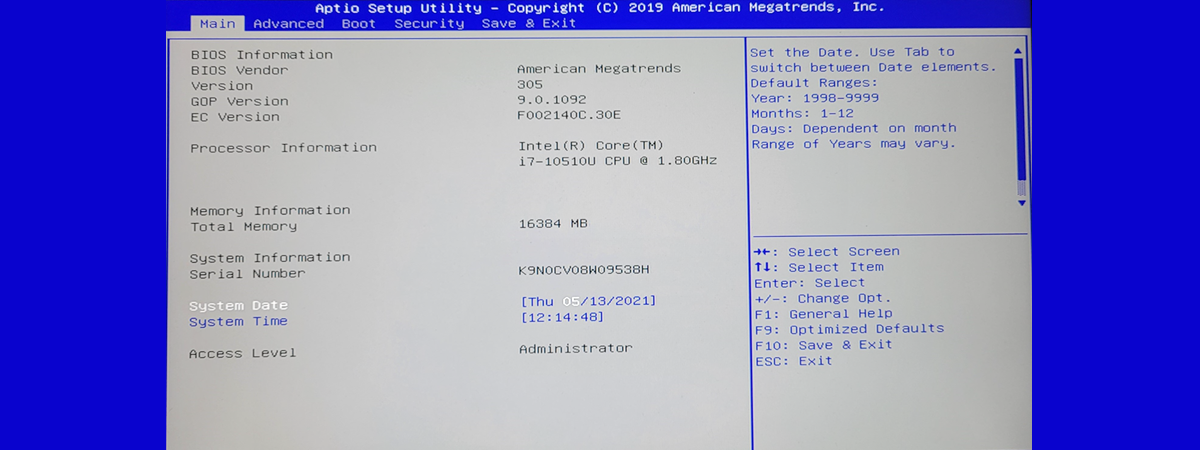
What does BIOS do on a computer
BIOS (basic input/output system) is the program a computer's microprocessor uses to start the computer system after it is powered on. It also manages data flow between the computer's operating system (OS) and attached devices, such as the hard disk, video adapter, keyboard, mouse and printer.
Is BIOS for motherboard or CPU
BIOS, or Basic Input/Output System, is software stored on a small memory chip, also known as firmware. BIOS is found on the motherboard, and it is the very first software to run after a computer starts.
Cached
Why is BIOS called BIOS
The BIOS firmware comes pre-installed on an IBM PC or IBM PC compatible's system board and exists in some UEFI-based systems to maintain compatibility with operating systems that do not support UEFI native operation. The name originates from the Basic Input/Output System used in the CP/M operating system in 1975.
CachedSimilar
Is BIOS the same as motherboard
Every modern system motherboard has BIOS software. It's like the computer equivalent of an automobile's starter; you must have one to get going. The BIOS is part of the motherboard's hardware, making it independent of any machine's operating system.
Cached
Why would you go into BIOS
You may need to access BIOS setup for various reasons, such as troubleshooting, upgrading, or optimizing your computer. For example, you may want to change the boot order if you want to boot from a different device, such as a USB flash drive or a DVD.
Is it good to update BIOS
Should You Update Your BIOS If there's an update available for your BIOS, and it's something you can reliably do right now, then, by all means, go ahead. We strongly recommend it—it'll help you reinforce your system and make it work better all around.
Will a motherboard go to BIOS without CPU
BIOS Flashback is a feature found on certain motherboards that lets you update the BIOS without requiring a CPU, GPU, or memory installed.
Does updating BIOS reset PC
Updating also resets BIOS settings to their default values, which could impact system stability. Here are a few reasons to perform a BIOS update: Compatibility. An update expands compatibility and allows you to use new hardware like recently-released memory, storage drives, or CPUs.
Why does PC always boot to BIOS
If your computer keeps booting to BIOS, the issue may be triggered by the incorrect boot order. Just go to check if there is an appropriate boot device available in BIOS. If you find it, set the disk as the primary boot option. If your hard drive listed under boot device cannot be found in BIOS, change this hard disk.
What is the difference between BIOS and boot
Now BIOS which is a basic input-output system will read the instructions and based on the instructions BIOS will look for a bootable device. Once the bootable device is found, the BIOS loads the bootloader. Bootloader will load the operating system into memory. This entire process is called booting.
What happens if you install the wrong BIOS on a motherboard
Installing the wrong BIOS could cause the computer to stop working. If you do not see a BIOS update listed for your computer, no update is currently available.
Do you need to install BIOS on a motherboard
There's one thing to know up front: Unlike updating Windows or graphics drivers, a BIOS update isn't routine. It's recommended only when your PC or motherboard manufacturer advises it, or when you've diagnosed a problem that a BIOS update is known to fix.
How do I get out of BIOS on startup
How to exit the BIOS or CMOSPress the Esc key to exit without saving any changes.Press the F10 or F12 key to save changes and exit.Access the Exit or Save & Exit tab in setup and select the Exit or Save and Exit option.
Why did my PC suddenly go to BIOS
If your computer keeps booting to BIOS, the issue may be triggered by the incorrect boot order. Just go to check if there is an appropriate boot device available in BIOS. If you find it, set the disk as the primary boot option. If your hard drive listed under boot device cannot be found in BIOS, change this hard disk.
What happens if you don’t update your BIOS
If a BIOS update goes wrong, it could stop your motherboard from working correctly and potentially stop your computer from starting as expected. So, if you do need to update your BIOS always follow the manufacturer's BIOS updating process.
How often should you update your BIOS
From time to time, your PC's manufacturer may offer updates to the BIOS with certain improvements. But in general, you shouldn't need to update it that often, if ever. BIOS updates don't usually introduce new features or huge speed boosts, so you probably won't see a huge benefit.
How do I boot into BIOS
Depending on the age of your model, the key may be different.ASRock: F2 or DEL.ASUS: F2 for all PCs, F2 or DEL for Motherboards.Acer: F2 or DEL.Dell: F2 or F12.ECS: DEL.Gigabyte / Aorus: F2 or DEL.HP: F10.Lenovo (Consumer Laptops): F2 or Fn + F2.
Do you need to update BIOS
When Should You Update Your BIOS BIOS updates generally don't boost performance, but they can fix bugs related to specific hardware or add compatibility for new devices. Motherboard manufacturers warn against updating your motherboard if your PC is working normally.
How do I know if I need to update my BIOS
There are two ways to easily check for a BIOS update. If your motherboard manufacturer has an update utility, you'll usually simply have to run it. Some will check if an update is available, others will just show you the current firmware version of your present BIOS.
How do I get out of BIOS loop
Go to the BIOS settings of the computer that's stuck on the BIOS screen. Change the boot order to let the computer from a USB drive or CD/DVD. Insert the DVD/CD into the problematic PC or plug in the bootable USB into it. Reboot your faulty computer; you will now be able to gain access.
How to get out of BIOS
How to exit the BIOS or CMOSPress the Esc key to exit without saving any changes.Press the F10 or F12 key to save changes and exit.Access the Exit or Save & Exit tab in setup and select the Exit or Save and Exit option.
Can you just boot into BIOS
To boot to UEFI or BIOS:
You can use any of these methods: Boot the PC, and press the manufacturer's key to open the menus. Common keys used: Esc, Delete, F1, F2, F10, F11, or F12. On tablets, common buttons are Volume up or Volume down (find more common keys and buttons).
Why is my PC booting into BIOS
If your computer keeps booting to BIOS, the issue may be triggered by the incorrect boot order. Just go to check if there is an appropriate boot device available in BIOS. If you find it, set the disk as the primary boot option. If your hard drive listed under boot device cannot be found in BIOS, change this hard disk.
Can a BIOS cause a PC not to boot
Yes, it can. A BIOS is a storage chip on your PC's motherboard containing the motherboard's firmware.
Does installing new BIOS reset settings
Updating also resets BIOS settings to their default values, which could impact system stability. Here are a few reasons to perform a BIOS update: Compatibility. An update expands compatibility and allows you to use new hardware like recently-released memory, storage drives, or CPUs.


0 Comments