
Who is eligible for FHA loan?
Summary of FHA Loan Qualifications and FAQs
What makes you qualified for an FHA loan:
- You could qualify for an FHA loan if you have a proven employment history and income
- Your debt-to-income ratio should be less than 43 percent
- A credit score above 580 (or 500 if you’re willing to make a bigger down payment) is required
Who gets denied an FHA loan:
- The three popular reasons for denial are bad credit, high debt-to-income ratio, and insufficient funds for down payment and closing costs
Is it harder to qualify for an FHA loan:
- In general, it’s easier to qualify for an FHA loan compared to a conventional loan
- FHA loans allow for lower credit scores and have more flexible criteria
Who chooses an FHA loan:
- Homebuyers often choose FHA loans if they have had challenges in their credit history
- FHA guidelines set lower minimum score requirements
What are 5 reasons for an FHA loan:
- Low down payment
- Easy qualification process
- Easy refinancing
- Predictable payments and low interest rates
- Flexible debt-to-income requirements
Is it a good idea to get an FHA loan:
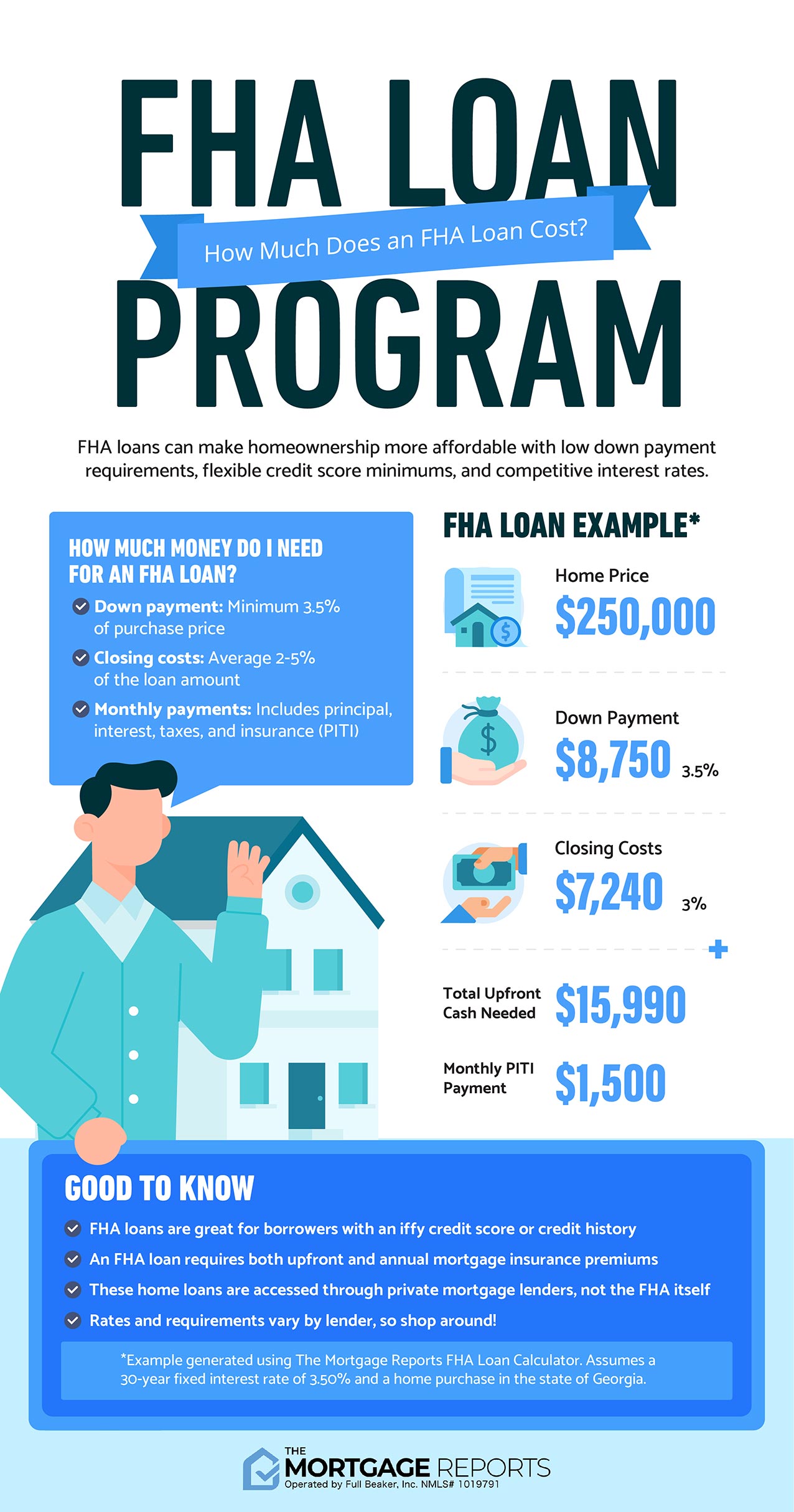
- The 3.5% minimum down payment requirement on FHA loans is lower than many conventional loans
- This can be advantageous for those with limited funds
Why would an FHA loan not be accepted:
- Some home sellers view FHA loans as riskier than conventional loans due to stricter approval and appraisal requirements
Why do sellers avoid FHA:
- Sellers may perceive FHA buyers as less likely to be approved for a loan compared to conventional borrowers
Why do sellers reject FHA loans:
- Sellers may have concerns about FHA loans helping low- to moderate-income borrowers with less-than-stellar credit become homeowners
Why would a homeowner not accept an FHA loan:
- Similar to the reasons mentioned above, some sellers view FHA loans as riskier due to stricter requirements and more lenient financial criteria
Why would you be denied an FHA loan:
- High debt-to-income ratio is one of the primary factors that can disqualify you from getting an FHA loan
What makes you qualified for an FHA loan
Who qualifies for an FHA loan You could qualify for an FHA loan if you have a proven employment history and income, a DTI ratio of less than 43 percent and a credit score above 580 (or 500, if you're willing to make a bigger down payment).
Cached
Who gets denied an FHA loan
There are three popular reasons – bad credit, high debt-to-income ratio, and overall insufficient money to cover the down payment and closing costs of a home.
Is it harder to qualify for an FHA loan
In general, it's easier to qualify for an FHA loan than for a conventional loan, which is a mortgage that isn't insured or guaranteed by the federal government. Here are some key differences between FHA and conventional loans: Credit score and history: FHA loans allow for lower credit scores than conventional loans.
Who chooses an FHA loan
Homebuyers often choose FHA loans if they've had rough patches in their credit history. FHA guidelines set lower minimum score requirements than conventional loans: You'll need at least a 580 score if you're making the minimum 3.5% down payment. You'll need at least a 500 score for the 10% down payment.
Cached
What are 5 reasons for an FHA loan
Five Ways an FHA Loan Can Benefit YouLow Down Payment. FHA loans are advantageous for those with limited money set aside for purchasing a home.Easy to Qualify.Easy to Refinance.Predictable Payments/Low Interest Rates.Flexible DTI Requirements.
Is it a good idea to get a FHA loan
Advantages of FHA Loans
Down payment: The 3.5% minimum down payment requirement on FHA loans is lower than what many (but not all) conventional loans require. If you have a credit score of about 650 or higher, the low down payment requirement is likely the main reason you'd be considering an FHA loan.
Why would an FHA loan not be accepted
Why Do Some Sellers Not Accept FHA Loans Some home sellers see the FHA loan as a riskier loan than a conventional loan because of its stricter approval and appraisal requirements. Additionally, the loan's more lenient financial requirements for borrowers may leave the seller with a negative perception.
Why do sellers avoid FHA
FHA Underwriting Worries Some Sellers
Because FHA loans help low- to moderate-income borrowers with less-than-stellar credit become homeowners, sellers may feel that FHA buyers are less likely to be approved for a loan than conventional borrowers.
Why do sellers reject FHA loans
FHA Underwriting Worries Some Sellers
Because FHA loans help low- to moderate-income borrowers with less-than-stellar credit become homeowners, sellers may feel that FHA buyers are less likely to be approved for a loan than conventional borrowers.
Why would a homeowner not accept an FHA loan
Why Do Some Sellers Not Accept FHA Loans Some home sellers see the FHA loan as a riskier loan than a conventional loan because of its stricter approval and appraisal requirements. Additionally, the loan's more lenient financial requirements for borrowers may leave the seller with a negative perception.
Why would you be denied an FHA loan
The three primary factors that can disqualify you from getting an FHA loan are a high debt-to-income ratio, poor credit, or lack of funds to cover the required down payment, monthly mortgage payments or closing costs.
Why are FHA closing costs so high
Because FHA closing costs include the upfront MIP, an FHA loan can have average closing costs on the higher end of the typical 3% – 6% range. That doesn't diminish in any way the value of getting an FHA mortgage, with its low down payment, lower interest rates and flexible underwriting.
What is one disadvantage of an FHA loan
Here are some FHA home loan disadvantages: An extra cost – an upfront mortgage insurance premium (MIP) of 2.25% of the loan's value. The MIP must either be paid in cash when you get the loan or rolled into the life of the loan. Home price qualifying maximums are set by FHA.
How often do FHA loans get denied
How often are FHA loans denied in underwriting According to a 2020 report by the Consumer Financial Protection Bureau (CFPB), FHA borrowers are more likely to be denied for FHA loans than all other loan types: 14.1% of FHA purchase loans and 22.2% of FHA refinance applications were turned down in 2020.
Are mortgage payments higher with an FHA loan
FHA mortgage rates are often lower than rates for conventional mortgages. However, a lower interest rate does not always equate to a lower monthly payment. FHA mortgage insurance will increase your payments and the overall cost of the loan, even if the base rate is lower than for other loan types.
What is the biggest advantage of an FHA loan
One of the most attractive characteristics of an FHA loan is their low down payment requirement. Contrary to traditional beliefs surrounding down payment requirements, one does not need to have funds to cover a 20% down payment in order to achieve homeownership.
How to avoid closing costs with FHA loan
To avoid or offset high closing costs that could derail your home purchase, consider some of these options.Use a gift.Include the costs in your loan payments.Ask the seller to pay closing costs.Apply for assistance.Negotiate with the lender.
Why do people not accept FHA loans
Unfortunately, sellers often perceive the FHA loan approval process as risky because of the FHA's relatively lenient financial requirements and stricter appraisal and property standards.
How fast is a FHA loan approved
approximately 45 days
FHA loans take about the same amount of time to be processed as a conventional or VA loan, approximately 45 days. That includes the entire process, from the loan application to the final approval and closing.
How much do I need to make to buy a $300 K house with FHA loan
between $50,000 and $74,500 a year
To purchase a $300K house, you may need to make between $50,000 and $74,500 a year. This is a rule of thumb, and the specific salary will vary depending on your credit score, debt-to-income ratio, type of home loan, loan term, and mortgage rate.
Are there disadvantages to FHA loans
Here are some FHA home loan disadvantages: An extra cost – an upfront mortgage insurance premium (MIP) of 2.25% of the loan's value. The MIP must either be paid in cash when you get the loan or rolled into the life of the loan. Home price qualifying maximums are set by FHA.
Are closing costs higher on an FHA or conventional
FHA loans tend to have higher closing costs than conventional loans, but because FHA loans allow the seller to pay for more of your closing costs than conventional loans, they may actually be cheaper.
Is there a downside to FHA loans
Borrowers who take out FHA loans will likely face higher costs upfront and with every payment, and it could signal that they aren't ready for a mortgage. You'll also have to pay mortgage insurance, and FHA loans are less flexible than conventional loans.
How much credit score do you need for a FHA loan
580 and higher
An FHA loan requires a minimum 3.5% down payment for credit scores of 580 and higher. If you can make a 10% down payment, your credit score can be in the 500 – 579 range. Rocket Mortgage® requires a minimum credit score of 580 for FHA loans.
Can I afford a 300k house on a 50k salary
A person who makes $50,000 a year might be able to afford a house worth anywhere from $180,000 to nearly $300,000. That's because annual salary isn't the only variable that determines your home buying budget. You also have to consider your credit score, current debts, mortgage rates, and many other factors.


0 Comments