
Does Microsoft Defender detect spyware?
My Experience with Microsoft Defender and Spyware
Recently, I had a concerning experience with spyware on my computer. As someone who relies heavily on their computer for various tasks, including personal and professional work, ensuring the security of my device is of utmost importance to me. One day, while casually browsing the internet, I noticed some unusual behavior on my computer. Ads were popping up out of nowhere, my system was becoming increasingly sluggish, and I even spotted some new toolbars and search engines that I didn’t remember installing. These were clear signs that my computer might have been infected with spyware. Concerned and eager to protect my data, I decided to take action.
First, I turned to Windows Defender, my go-to antivirus software. I ran a thorough scan, hoping that it would detect and remove any spyware lurking on my device. To my relief, Windows Defender was able to automatically detect and remove or quarantine the malware it found. It successfully eliminated the spyware and restored my computer’s performance to its usual speed.
But this got me wondering about the capabilities of Windows Defender in detecting spyware. So, I delved further into the topic and found that Windows Security, the overarching security system for Windows 10, continually scans for malware, viruses, and other security threats. It offers real-time protection, and the software updates automatically to keep my device safe from any potential threats.
However, I also learned that while Windows Defender is a good basic virus protection software, it may not catch everything, especially if you are extremely security-focused. In such cases, it is recommended to use a third-party antivirus or anti-malware software that can provide additional layers of protection and detect threats that Windows Defender might miss.
Considering this, I started to wonder if there are any clear indications that my computer is being monitored. I decided to run a scan with my trusted antivirus software, and it revealed that my computer wasn’t being monitored. Phew! That was a relief.
Curiosity then led me to research more about spyware and its common sources. I discovered that spyware can often be found in links or attachments sent via emails. So, I became more cautious about clicking on unfamiliar links or opening emails from unknown senders, as doing so could unintentionally download and install spyware on my computer.
Feeling more confident in my ability to detect and prevent spyware, I wanted to know how to perform regular scans to ensure my computer remained spyware-free. I discovered that by going to Start, then Settings, followed by Update & Security, and selecting Windows Security, I could initiate a scan for viruses and threats. This quick and easy process gave me peace of mind knowing that I could regularly monitor my computer’s security.
Amidst my research, I also came across questions about Microsoft Defender’s capabilities and privacy concerns. Some users wondered if Microsoft Defender could access their browsing history or personal data. Thankfully, Microsoft and organizations cannot see data from apps installed on my device, my browsing content, or even my stored browsing history.
While exploring more about Windows Defender, I stumbled upon a common question: Do I need another antivirus if I have Windows Defender? The answer surprised me. Despite Windows Defender being a reliable antivirus software, it lacks endpoint protection and response, as well as automated investigation and remediation. Therefore, it is advisable to use an additional antivirus for comprehensive protection.
In conclusion, my experience with Microsoft Defender and spyware opened my eyes to the importance of maintaining robust and consistent security measures on my computer. Windows Defender played a crucial role in detecting and removing spyware from my device effortlessly. However, I realized that it is essential to remain vigilant, adopt safe browsing practices, and consider using additional antivirus software to bolster my computer’s protection against ever-evolving cyber threats.
Can Microsoft Defender remove spyware
The Windows Defender Offline scan will automatically detect and remove or quarantine malware.
Cached
Can Windows 10 detect spyware
Windows Security continually scans for malware (malicious software), viruses, and security threats. In addition to this real-time protection, updates are downloaded automatically to help keep your device safe and protect it from threats.
Does antivirus detect spyware
Antivirus/antimalware software
Proactively detects and eliminates threats such as viruses and spyware designed to steal your information.
Does Windows Defender detect everything
Yes, Windows Defender is a good basic virus protection software. You may not find everything you want if you are extremely security focused. A third-party antivirus or anti-malware software will likely find threats that Windows Defender may miss.
How good is Windows Defender at finding malware
Is Microsoft Defender antivirus safe Microsoft Defender antivirus is pretty safe. It has almost 100% real-time protection rates, according to independent tests. It also has additional features for device protection against malware, such as scanning, app and browser control, and account protection options.
Can I tell if my computer is being monitored
Run Antivirus Software
Antivirus software can reveal whether or not your computer is being monitored. Most instances of monitoring are driven by malware. After making its way on your computer, malware may record your activities. Antivirus software, of course, can detect malware.
Can you tell if you have spyware on your computer
Look out for the following clues: Increasing sluggishness and slow response. Unexpected advertising messages or pop-ups (spyware is often packaged with adware). New toolbars, search engines and internet home pages that you don't remember installing.
Where is spyware most commonly found
Links or attachments
Like most other malware, spyware can be sent in a link or an email attachment. Never click on an unfamiliar link or attachment, and don't open emails from an unknown sender. Doing so could result in spyware being downloaded and installed on your computer.
How do I scan my computer for spyware
FAQsClick on Start.Click on Settings.Click on Update & Security.Click on Windows Security.Click on Virus & Threat Protection.Under Current Threats, select Quick Scan/Threat History.Hit Scan Now.
Can Microsoft Defender see browsing history
Can my organization or Microsoft access my personal data or view my browsing activity Neither Microsoft nor your organization can see data from apps installed on your device, browsing content, or stored browsing history.
Do I need another antivirus if I have Windows Defender
You do need an antivirus for Windows 10, even though it comes with Microsoft Defender Antivirus. That's because this software lacks endpoint protection and response plus automated investigation and remediation.
Will Windows Defender tell me if I have a Virus
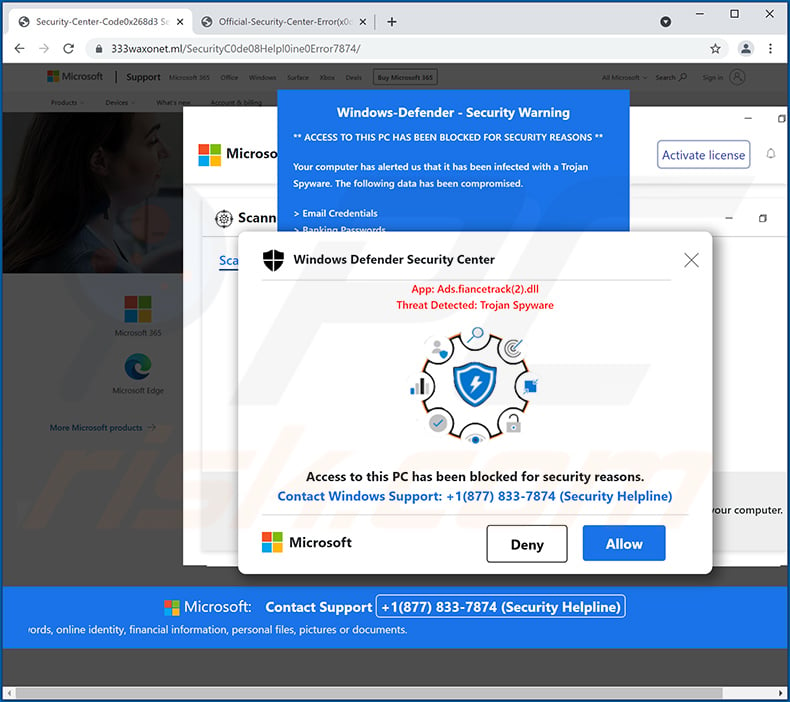
The Windows Defender security warning is a pop-up warning message that will tell you your computer is infected, and needs immediate action to fix it.
How to know if you have spyware
How to detect spywareIncreasing sluggishness and slow response.Unexpected advertising messages or pop-ups (spyware is often packaged with adware).New toolbars, search engines and internet home pages that you don't remember installing.Batteries becoming depleted more quickly than usual.
Can someone spy on my computer without me knowing
Actually, no one can remotely access your computer without letting you know it. Because if a computer is remotely accessing your computer, then the screen of your computer will be locked.
What are the three symptoms of spyware
Common Symptoms of SpywareDifficulty logging into secure web sites like ICON and MyUI.Random advertisements that pop up on your computer.Unusual slowness of your system.Unusual instability in your system (computer crashes more than usual)
What are three signs that a computer could be infected by spyware
Your computer is unstable, sluggish, locks up, or crashes frequently. Spyware programs run in the background taking up disk space and processor speed which will cause serious performance problems. You constantly get pop-up ads displayed on your screen, even if you aren't browsing the Internet.
How do I know if there is spyware near
Signs that spyware is on your phone
You may experience unexpected handset battery drain, overheating, and strange behavior from the device's operating system or apps. Settings such as GPS and location functions may unexpectedly turn on or you may see random reboots.
What 5 indicators are there that you might have spyware on your computer
Here's our top 5:1 – Slow computer performance. One of the most common signs of an infected PC can be a sudden and drastic change in performance.2 – Frequent Pop-Up Windows.3 – Browser hijacking software.4 – Issues with antivirus products.5 – Spam emails.
What does Windows Defender detect
Viruses, ransomware, spyware, and more are all types of malware. Microsoft Defender has powerful built-in features that can help protect your device against malware. Note: Microsoft Defender currently offers anti-malware only on Windows, Mac, and Android.
What information does Microsoft Defender collect
What data does Microsoft Defender for Endpoint collect Microsoft Defender for Endpoint will collect and store information from your configured devices in a customer dedicated and segregated tenant specific to the service for administration, tracking, and reporting purposes.
What are the disadvantages of Windows Defender
Cons of Windows DefenderLacks integrated dashboard for all devices using Windows Defender.No accountability if the computer is infected by malware.Limited features for large scale use.Slows down installation of frequently-used applications.
Is Windows Defender good enough to remove viruses
Yes, Windows Defender is a good basic virus protection software. You may not find everything you want if you are extremely security focused. A third-party antivirus or anti-malware software will likely find threats that Windows Defender may miss.
What does hidden spyware look like
You'll see a small teardrop symbol in your phone's notification bar when an app is using your device location. If you see this appear when you're not using apps allowed to access location data, this could indicate spyware is running and tracking your location.
What is the most common spyware
Adware: This is the most common type. It causes pop-up advertising to appear constantly. Not only is it annoying, but any information you provide may be stored and sent without your permission when accessing any of these sites.
What are two signs that could indicate that your computer is infected with spyware
Symptoms of MalwareYour computer or web browser has dramatically slowed down over a period of a few days/a week.Frequent freezing or crashing.Modified or deleted files.New programs or desktop icons that you do not recall installing/creating.Programs running without your consent.Programs closing without your consent.


0 Comments