
How do I get rid of virus detected pop up?
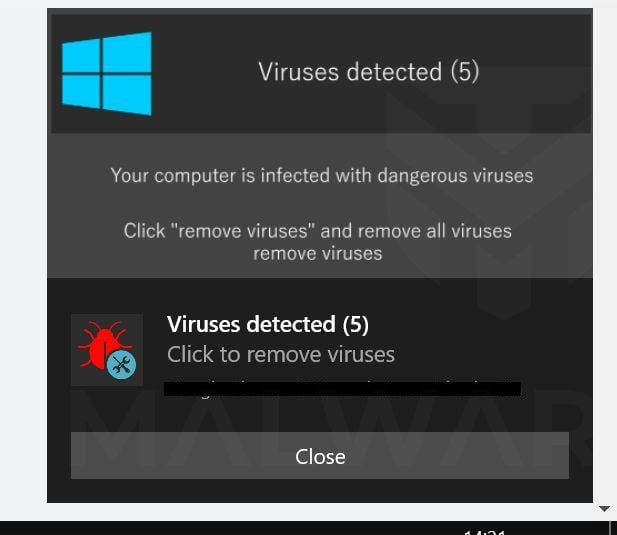
Why does my computer keep saying virus detected?
It usually occurs when Chrome or Windows Defender detects a virus in a potentially malicious file you’re downloading. As a result, it halts the download process and displays this error message to prevent your computer from getting infected.
What to do when it says virus detected?
Step 1: In Windows 10, go to Start > Settings > Update & Security.
Step 2: In Windows Security, click Open Windows Defender Security Center.
Step 3: Click Virus & threats protection and locate Threat history.
Step 4: Find the file that is blocked, choose, and restore it.
Why do I keep getting pop-ups saying my phone has a virus?
These pop-ups claim that your device is infected and requires cleaning. Since there is no way for these web pages to scan your device to determine the actual status of your mobile device, they are considered advertisements, or scareware. To block these pop-ups, close the web page that triggered the alert.
How do I get rid of fake virus warning windows?
For these reasons, we strongly advise you to ignore the “VIRUS ALERT TO MICROSOFT” message and never call the telephone number. This error can be removed simply by closing the web browser (preferably, using Task Manager) or rebooting the system (some websites employ scripts that prevent users from closing the browser).
Is the virus warning on my computer real?
The first step to dealing with a fake virus alert is determining whether or not it’s a virus. If you see an alert pop up on your computer, smartphone, or another device, don’t click on anything — it is likely a scam designed to trick you into installing malware.
How do you know if a virus alert is real?
Phony virus pop-ups may use fake close buttons that can install actual malware on your device if you click. Search the product name: When in doubt, look up the name you see in the warning. If you can’t find it online, or if the alleged company has terrible reviews, it’s almost certainly a fake.
Is the virus warning on my phone real?
If the virus notification appears as a pop-up while browsing a website or clicking an advertisement, you are probably on an unsecure website and are being phished by these pop-ups. You should close the website and avoid returning to it in the future.
Is it true if a pop-up says you have a virus?
A pop-up window claiming to have scanned your computer and found evidence of viruses would cause anyone alarm. However, if it comes from a company or program other than your own security software, or if it appears in a different format than you’re used to, then tread carefully, as it’s likely to be a scam.
How do I turn off virus warning?
Here’s how to stop fake virus warnings on Android:In the Settings, go to Backup & reset.Select Factory data reset and tap Reset phone.Enter your password and tap Erase everything.
Are those virus alerts real?
A fake virus warning is a form of scareware that uses social engineering tricks to play on your emotions and cause panic. If you believe your device is infected with a computer virus, you might act without thinking and accidentally download harmful software.
How do I get rid
Why does my computer keep saying virus detected
It usually occurs when Chrome or Windows Defender detects a virus in a potentially malicious file you're downloading. As a result, it halts the download process and displays this error message to prevent your computer from getting infected.
What to do when it says virus detected
Failed Virus Detected Chrome Fix
Step 1: In Windows 10, go to Start > Settings > Update & Security. Step 2: In Windows Security, click Open Windows Defender Security Center. Step 3: Click Virus & threats protection and locate Threat history. Step 4: Find the file that is blocked, choose, and restore it.
Why do I keep getting pop-ups saying my phone has a virus
These pop-ups claim that your device is infected and requires cleaning. Since there is no way for these web pages to scan your device to determine the actual status of your mobile device, they are considered advertisements, or scareware. To block these pop-ups, close the web page that triggered the alert.
How do I get rid of fake virus warning windows
For these reasons, we strongly advise you to ignore the "VIRUS ALERT TO MICROSOFT" message and never call the telephone number. This error can be removed simply by closing the web browser (preferably, using Task Manager) or rebooting the system (some websites employ scripts that prevent users from closing the browser).
Is the virus warning on my computer real
The first step to dealing with a fake virus alert is determining whether or not it's a virus. If you see an alert pop up on your computer, smartphone, or another device, don't click on anything — it is likely a scam designed to trick you into installing malware.
How do you know if a virus alert is real
Phony virus pop-ups may use fake close buttons that can install actual malware on your device if you click. Search the product name: When in doubt, look up the name you see in the warning. If you can't find it online, or if the alleged company has terrible reviews, it's almost certainly a fake.
Is the virus warning on my phone real
If the virus notification appears as a pop-up while browsing a website or clicking an advertisement, you are probably on an unsecure website and are being phished by these pop-ups. You should close the website and avoid returning to it in the future.
Is it true if a pop-up says you have a virus
A pop-up window claiming to have scanned your computer and found evidence of viruses would cause anyone alarm. However, if it comes from a company or program other than your own security software, or if it appears in a different format than you're used to, then tread carefully, as it's likely to be a scam.
How do I turn off virus warning
Here's how to stop fake virus warnings on Android:In the Settings, go to Backup & reset.Select Factory data reset and tap Reset phone.Enter your password and tap Erase everything.
Are those virus alerts real
A fake virus warning is a form of scareware that uses social engineering tricks to play on your emotions and cause panic. If you believe your device is infected with a computer virus, you might act without thinking and accidentally download harmful software.
How do I get rid of fake virus warning Windows
For these reasons, we strongly advise you to ignore the "VIRUS ALERT TO MICROSOFT" message and never call the telephone number. This error can be removed simply by closing the web browser (preferably, using Task Manager) or rebooting the system (some websites employ scripts that prevent users from closing the browser).
What does a fake virus alert look like
Fake virus warnings commonly appear on your screen as pop-ups warning you about some urgent malware threat and encouraging you to act immediately and download their product. Fake virus warnings can also appear as fake spyware warnings or fake system notifications.
What happens if you click on a fake virus notification
Don't Panic – Just Be Careful
Most importantly, don't click on any buttons in the fake virus alert — especially the "remove virus" or "uninstall virus" button. Clicking on these buttons won't eliminate the virus; it will just infect your device with even more malware.
Why did I get a fake virus warning
A fake virus warning is a form of scareware that uses social engineering tricks to play on your emotions and cause panic. If you believe your device is infected with a computer virus, you might act without thinking and accidentally download harmful software.
What do fake virus pop-ups look like
There are a few ways to tell if a virus alert is fake. First, if you're using a computer, look at the title bar at the top of the window. If the page title says something like "Virus Alert," "Your PC is infected," or something similar, you are probably looking at a fake Microsoft virus alert.
Do pop-ups give you a virus if you don’t click
When hackers create fake website pop-up ads to try and infect your device with malware, it's called malvertising. Some malicious pop-up ads are easy to avoid. You don't click the link or call the phone number. But thanks to the science of steganography, hackers could embed malicious code directly into the pop-up ad.
How do I get rid of fake virus pop-ups on Chrome
To prevent sites from showing you intrusive or misleading ads by changing your settings.On your computer, open Chrome.At the top right, click More. Settings.Click Privacy and security. Site Settings.Click Additional content settings. Ads.Select the option you want as your default setting.
How do I get rid of the virus warning pop-up on my iPhone
How to get rid of fake Apple security alert pop-upGet rid of the Apple Security Alert warning with a Mac antivirus:Delete Safari cookies, cache, and history:Uninstall suspicious macOS applications that might be showing the Apple Security Alert:Remove the Apple Security Alert virus with an iOS antivirus:
Are fake virus notifications real
These alerts may be convincing, but they aren't real — and they don't help you or protect your computer in any way. In fact, these types of alerts are usually created by cybercriminals to try to trick you into installing malware on your device.
Why am I getting notifications from Chrome saying I have a virus
The annoying virus alerts can be caused by third-party apps. Go through your app list and delete any you don't remember installing or those you've only recently installed. Here's how to remove fake virus alert from Android along with an app causing it: Find a suspicious app.
How do I remove virus notifications from Chrome on my computer
From here how to remove chrome notifications virus on windows. Open your chrome browser. Click on menu. Then click on settings. Click on privacy. And security from the left side panel click on site
Is the virus warning on my iPhone real
Does Apple let you know if your phone has a virus No, as Apple does not have an in-built antivirus and it does not perform malware scans. So, any pop-up virus warnings are fake.
How do I turn off fake virus notifications on Chrome
Open your chrome browser. Click on menu. Then click on settings. Click on privacy. And security from the left side panel click on site settings. Now scroll down and click on notifications under the
How do I get rid of Chrome fake virus notifications
Change Chrome Notification Settings on AndroidOpen the Chrome app.To the right of the address bar, tap More ⋮ > Settings.Tap Site Settings > Notifications.Tap the suspicious website, then tap either Block or Remove.
Why does my computer keep saying virus detected
It usually occurs when Chrome or Windows Defender detects a virus in a potentially malicious file you're downloading. As a result, it halts the download process and displays this error message to prevent your computer from getting infected.
What to do when it says virus detected
Failed Virus Detected Chrome Fix
Step 1: In Windows 10, go to Start > Settings > Update & Security. Step 2: In Windows Security, click Open Windows Defender Security Center. Step 3: Click Virus & threats protection and locate Threat history. Step 4: Find the file that is blocked, choose, and restore it.
Why do I keep getting pop-ups saying my phone has a virus
These pop-ups claim that your device is infected and requires cleaning. Since there is no way for these web pages to scan your device to determine the actual status of your mobile device, they are considered advertisements, or scareware. To block these pop-ups, close the web page that triggered the alert.
How do I get rid of fake virus warning windows
For these reasons, we strongly advise you to ignore the "VIRUS ALERT TO MICROSOFT" message and never call the telephone number. This error can be removed simply by closing the web browser (preferably, using Task Manager) or rebooting the system (some websites employ scripts that prevent users from closing the browser).
Is the virus warning on my computer real
The first step to dealing with a fake virus alert is determining whether or not it's a virus. If you see an alert pop up on your computer, smartphone, or another device, don't click on anything — it is likely a scam designed to trick you into installing malware.
How do you know if a virus alert is real
Phony virus pop-ups may use fake close buttons that can install actual malware on your device if you click. Search the product name: When in doubt, look up the name you see in the warning. If you can't find it online, or if the alleged company has terrible reviews, it's almost certainly a fake.
Is the virus warning on my phone real
If the virus notification appears as a pop-up while browsing a website or clicking an advertisement, you are probably on an unsecure website and are being phished by these pop-ups. You should close the website and avoid returning to it in the future.
Is it true if a pop-up says you have a virus
A pop-up window claiming to have scanned your computer and found evidence of viruses would cause anyone alarm. However, if it comes from a company or program other than your own security software, or if it appears in a different format than you're used to, then tread carefully, as it's likely to be a scam.
How do I turn off virus warning
Here's how to stop fake virus warnings on Android:In the Settings, go to Backup & reset.Select Factory data reset and tap Reset phone.Enter your password and tap Erase everything.
Are those virus alerts real
A fake virus warning is a form of scareware that uses social engineering tricks to play on your emotions and cause panic. If you believe your device is infected with a computer virus, you might act without thinking and accidentally download harmful software.
How do I get rid of fake virus warning Windows
For these reasons, we strongly advise you to ignore the "VIRUS ALERT TO MICROSOFT" message and never call the telephone number. This error can be removed simply by closing the web browser (preferably, using Task Manager) or rebooting the system (some websites employ scripts that prevent users from closing the browser).
What does a fake virus alert look like
Fake virus warnings commonly appear on your screen as pop-ups warning you about some urgent malware threat and encouraging you to act immediately and download their product. Fake virus warnings can also appear as fake spyware warnings or fake system notifications.
What happens if you click on a fake virus notification
Don't Panic – Just Be Careful
Most importantly, don't click on any buttons in the fake virus alert — especially the "remove virus" or "uninstall virus" button. Clicking on these buttons won't eliminate the virus; it will just infect your device with even more malware.
Why did I get a fake virus warning
A fake virus warning is a form of scareware that uses social engineering tricks to play on your emotions and cause panic. If you believe your device is infected with a computer virus, you might act without thinking and accidentally download harmful software.
What do fake virus pop-ups look like
There are a few ways to tell if a virus alert is fake. First, if you're using a computer, look at the title bar at the top of the window. If the page title says something like "Virus Alert," "Your PC is infected," or something similar, you are probably looking at a fake Microsoft virus alert.
Do pop-ups give you a virus if you don’t click
When hackers create fake website pop-up ads to try and infect your device with malware, it's called malvertising. Some malicious pop-up ads are easy to avoid. You don't click the link or call the phone number. But thanks to the science of steganography, hackers could embed malicious code directly into the pop-up ad.
How do I get rid of fake virus pop-ups on Chrome
To prevent sites from showing you intrusive or misleading ads by changing your settings.On your computer, open Chrome.At the top right, click More. Settings.Click Privacy and security. Site Settings.Click Additional content settings. Ads.Select the option you want as your default setting.
How do I get rid of the virus warning pop-up on my iPhone
How to get rid of fake Apple security alert pop-upGet rid of the Apple Security Alert warning with a Mac antivirus:Delete Safari cookies, cache, and history:Uninstall suspicious macOS applications that might be showing the Apple Security Alert:Remove the Apple Security Alert virus with an iOS antivirus:
Are fake virus notifications real
These alerts may be convincing, but they aren't real — and they don't help you or protect your computer in any way. In fact, these types of alerts are usually created by cybercriminals to try to trick you into installing malware on your device.
Why am I getting notifications from Chrome saying I have a virus
The annoying virus alerts can be caused by third-party apps. Go through your app list and delete any you don't remember installing or those you've only recently installed. Here's how to remove fake virus alert from Android along with an app causing it: Find a suspicious app.
How do I remove virus notifications from Chrome on my computer
From here how to remove chrome notifications virus on windows. Open your chrome browser. Click on menu. Then click on settings. Click on privacy. And security from the left side panel click on site
Is the virus warning on my iPhone real
Does Apple let you know if your phone has a virus No, as Apple does not have an in-built antivirus and it does not perform malware scans. So, any pop-up virus warnings are fake.
How do I turn off fake virus notifications on Chrome
Open your chrome browser. Click on menu. Then click on settings. Click on privacy. And security from the left side panel click on site settings. Now scroll down and click on notifications under the
How do I get rid of Chrome fake virus notifications
Change Chrome Notification Settings on AndroidOpen the Chrome app.To the right of the address bar, tap More ⋮ > Settings.Tap Site Settings > Notifications.Tap the suspicious website, then tap either Block or Remove.
How do I stop fake virus pop-ups on Chrome
To prevent sites from showing you intrusive or misleading ads by changing your settings.On your computer, open Chrome.At the top right, click More. Settings.Click Privacy and security. Site Settings.Click Additional content settings. Ads.Select the option you want as your default setting.


0 Comments