
Why do I keep getting a virus warning on my Mac?
Why do I keep getting a virus warning on my Mac?
Is the Apple virus warnings real on Mac?
The only time a message warning of malware in a Mac OS X or iOS web browser will be legitimate is if you’ve just uploaded a file to a website; they cannot scan the devices, but can scan files which were uploaded to them (it’s done on the server). It’s a scam. There are no known viruses that can affect iOS devices.
How do I get rid of critical virus alert on Macbook?
You do not have a virus. It is a notification that was granted and can be easily removed. Go to Safari > Settings > Websites > Notifications and deny all. Do the same at Safari > Settings > Websites > Popup Windows.
What do fake virus alerts look like?
There are a few ways to tell if a virus alert is fake. First, if you’re using a computer, look at the title bar at the top of the window. If the page title says something like “Virus Alert,” “Your PC is infected,” or something similar, you are probably looking at a fake Microsoft virus alert.
What happens when your Mac detects a virus?
macOS’s Gatekeeper technology should recognize any malicious software and stop you from installing it – provided it’s not very recent (it can take Apple a few days or weeks to address new malware). Should macOS detect a malicious app, it will let you know and will ask you to move it to the Trash.
What to do if a virus is detected on your Mac?
In general, the first steps to remove malware for a Mac or PC are to disconnect from the internet and enter safe mode. Next, check your activity monitor for malicious applications and run a malware scanner. Finally, clear your cache and delete your web browser history when you are back online.
Is the virus warning on my computer real?
The first step to dealing with a fake virus alert is determining whether or not it’s a virus. If you see an alert pop up on your computer, smartphone, or another device, don’t click on anything — it is likely a scam designed to trick you into installing malware.
Are those virus warnings real?
Is the Google virus warning real? No. When Google says you have a virus on your phone, you are being scammed. Specifically, cybercriminals are trying to trick you into installing malware, submitting personal data, or paying for virus removal.
Can Mac get viruses from websites?
While cybercriminals still target Windows-based computers more often, this doesn’t mean that your Mac desktops, laptops, tablets, and your iPhones are immune from malware, spyware, adware, and other viruses. Apple computers can get hit with viruses and malware just like PCs.
Does resetting Mac remove virus?
The short answer is yes, a factory reset can remove viruses and malware from your Mac. However, it is important to understand that a factory reset should not be the first solution you fall upon. It should be your last resort when all other options fail to eliminate the threat.
Can Macbooks get viruses from websites?
No, you cannot get a Mac virus from visiting a website. Easily dealt with malware/adware? Yes, but not viruses. The real danger is in using anti-virus programs. Apple generally keeps ahead of fake anti-virus apps, but in general, stay away from any downloads that promise to protect or speed up your Mac.
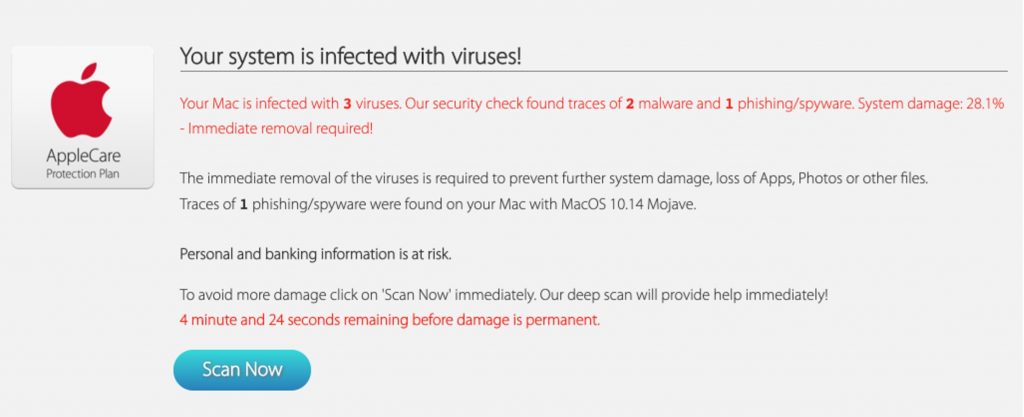
Is the Apple virus warnings real on Mac
The only time a message warning of malware in a Mac OS X or iOS web browser will be legitimate is if you've just uploaded a file to a website; they cannot scan the devices, but can scan files which were uploaded to them(it's done on the server.) Its a scam. There are no known viruses that can affect iOS devices.
How do I get rid of critical virus alert on Macbook
You do not have a virus. It is a notification that was granted and can be easily removed. Go to Safari > Settings > Websites > Notifications and deny all. Do the same at Safari > Settings > Websites > Popup Windows.
What do fake virus alerts look like
There are a few ways to tell if a virus alert is fake. First, if you're using a computer, look at the title bar at the top of the window. If the page title says something like "Virus Alert," "Your PC is infected," or something similar, you are probably looking at a fake Microsoft virus alert.
What happens when your Mac detects a virus
macOS's Gatekeeper technology should recognise any malicious software and stop you from installing it – provided it's not very recent (it can take Apple a few days or weeks to address new malware). Should macOS detect a malicious app it will let you know and will ask you to move it to the Trash.
What to do if a virus is detected on your Mac
In general, the first steps to remove malware for a Mac or PC are to disconnect from the internet and enter safe mode. Next, check your activity monitor for malicious applications and run a malware scanner. Finally, clear your cache and delete your web browser history when you are back online.
Is the virus warning on my computer real
The first step to dealing with a fake virus alert is determining whether or not it's a virus. If you see an alert pop up on your computer, smartphone, or another device, don't click on anything — it is likely a scam designed to trick you into installing malware.
Are those virus warnings real
Is the Google virus warning real No. When Google says you have a virus on your phone, you are being scammed. Specifically, cybercriminals are trying to trick you into installing malware, submitting personal data, or paying for virus removal.
Can Mac get viruses from websites
While cybercriminals still target Windows-based computers more often, this doesn't mean that your Mac desktops, laptops, tablets and your iPhones are immune from malware, spyware, adware, and other viruses. Apple computers can get hit with viruses and malware just like PCs.
Does resetting Mac remove virus
The short answer is yes, a factory reset can remove viruses and malware from your Mac. However, it is important to understand that a factory reset should not be the first solution you fall upon. It should be your last resort when all other options fail to eliminate the threat.
Can Macbooks get viruses from websites
No, you cannot get a Mac virus from visiting a website. Easilly dealt with alware/adware Yes, but not viruses. The real danger is in using anti-virus programs. Apple generally keeps ahead of fake anti-virus apps, but in general stay away from any downloads that promise to protect or speed up your Mac.
Does Apple have a virus scan
Because of their shared operating system, iOS devices enjoy Apple's security measures, which keeps them protected from malware and viruses differently from most Android devices.
Why does my computer keep saying virus detected
It usually occurs when Chrome or Windows Defender detects a virus in a potentially malicious file you're downloading. As a result, it halts the download process and displays this error message to prevent your computer from getting infected.
Why does my computer keep saying I have a virus
The most common reason your computer will get infected is because you downloaded or installed infected files. Pirated media and free games are common culprits, and so are phishing attacks where you click on a bad link, button, or email attachment.
Why did I get a fake virus warning
These alerts may be convincing, but they aren't real — and they don't help you or protect your computer in any way. In fact, these types of alerts are usually created by cybercriminals to try to trick you into installing malware on your device.
Why am I getting fake virus alerts
If the virus notification appears as a pop-up while browsing a website or clicking an advertisement, you are probably on an unsecure website and are being phished by these pop-ups. You should close the website and avoid returning to it in the future.
How common are viruses on Macs
However, before you panic, Mac malware and viruses are very rarely found “in the wild”. From time to time you will hear of big profile trojans, malware, and ransomware that is targeting the Windows world, very rarely is this a threat to Macs.
How do I scan my Mac for viruses
How Macs Automatically Check For VirusesOpen System Preferences.Click Security & Privacy.Click the General tab.Click the Lock icon to unlock the panel.Choose the App Store or App Store and identified developers to permit downloads from only those sources.
How do I check my Mac for viruses
The best way to scan for viruses on a Mac is by using a reputable tool. Look for an antivirus program that is designed specifically for Macs and make sure it has comprehensive protection which includes scanning for viruses and malware, the ability to update regularly, etc. We recommend CleanMyMac X.
How do I check my Mac for malware
Therefore, if malware or a virus has indeed made its way onto your system, it could appear here. Step 1: Click System Preferences > Security & Privacy > Privacy tab. Step 2: On the sidebar, click Full Disk Access. Step 3: Here, you can check which apps of yours have complete access to your Mac's disk.
How do I get rid of virus notifications
If you're seeing annoying notifications from a website, turn off the permission:On your Android phone or tablet, open the Chrome app .Go to a webpage.To the right of the address bar, tap More Info .Tap Site settings.Under "Permissions," tap Notifications.Turn the setting off.
How do I get rid of notification virus
Change Chrome Notification Settings on AndroidOpen the Chrome app.To the right of the address bar, tap More ⋮ > Settings.Tap Site Settings > Notifications.Tap the suspicious website, then tap either Block or Remove.
Are the virus warnings that pop-up real
If you see an alert that looks like it could be clickbait, it's probably a scam. Fake virus alerts often appear in pop-up boxes but can also appear as browser ads or use scare tactics on your lock screen or home screen. If you see an inappropriate alert for the situation, it's probably a scam.
Why does my computer say I have a virus when I don t
Fake pop-ups have malicious intentions, and you should avoid clicking them at any cost. You may receive a fake virus alert claiming that your device has been infected and you need to install antivirus software.
How do I get rid of fake virus notifications on my computer
How to get rid of fake virus pop-upsStep 1: Exit your browser. The first step to take if you encounter a fake virus alert is to close your browser.Step 2: Remove any suspicious apps or extensions.Step 3: Scan for malware.Step 4: Perform a factory reset.
Does clean my Mac remove viruses
Certainly the most efficient way to find and remove malware is using the Apple notarized app, CleanMyMac X. Its Malware Removal module offers real-time protection from malware and virus threats. CleanMyMac X has a powerful in-depth scan designed for macOS that locates and removes malware in just a few clicks.


0 Comments