
What is DNS server on iPhone?
What is my DNS server on my iPhone?
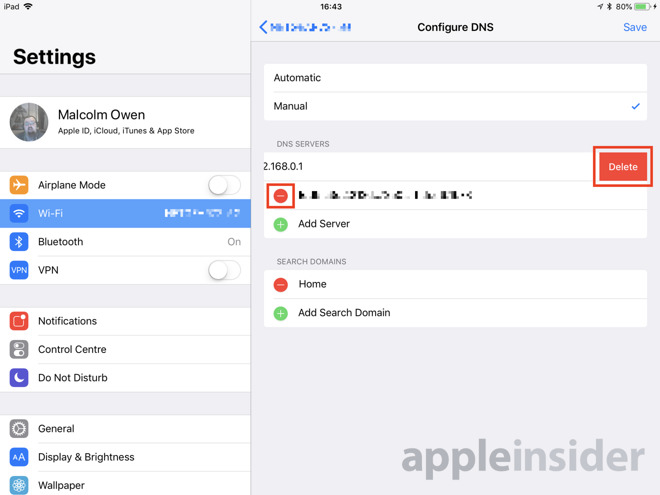
On an Apple iPhone or iPad, you can view or change your DNS settings through iOS. Open the “Settings” app and tap “Wi-Fi.” Find the network you want to configure and tap the “i” icon next to it. Tap “Configure DNS” to see and edit your DNS settings.
What does changing DNS servers on iPhone do?
Just like in macOS, you can change the DNS servers on your iPhone. This can significantly speed up Safari and other iPhone apps that use the internet.
Should I turn off DNS on my phone?
Important: By default, your phone uses Private DNS with all networks that can use Private DNS. We recommend keeping Private DNS turned on.
How do I fix DNS error on iPhone?
Follow the steps below to reset your device’s DNS settings:
1. Open your Settings app.
2. Tap WiFi to edit your wireless internet settings.
3. Tap the blue(i) to the right of the name of your wireless network.
4. Tap Configure DNS where it says, “Manual.”
What DNS number should I use?
In This Article
Best Free & Public DNS Servers
Provider Primary DNS Secondary DNS
Google 8.8.8.8 8.8.4.4
Control D 76.76.2.0 76.76.10.0
Quad9 9.9.9.9 149.112.112.112
How do I know what DNS server is being used?
Open your Command Prompt from the Start menu (or type “Cmd” into the search in your Windows taskbar). Next, type ipconfig/all into your command prompt and press Enter. Look for the field labeled “DNS Servers.” The first address is the primary DNS server, and the next address is the secondary DNS server.
Should private DNS be off or automatic?
Important: By default, your phone uses Private DNS with all networks that can use Private DNS. We recommend keeping Private DNS turned on.
Will changing my DNS affect anything?
Although DNS is not directly related to your internet speed, it can influence how fast an individual webpage appears on your computer. Once a connection has been established though, it should not affect download speeds. If you want to amend your router’s DNS servers however, this can help improve your overall speed.
What happens when DNS is off?
If the DNS server is unavailable, the browser has no way of acquiring the website’s IP address, so it returns an error. Now everyone knows the server is down because it only takes seconds for the news to spread.
What happens if I turn off my DNS?
DNS stands for Domain Name Service, and it’s at the heart of the internet. DNS makes it such that you don’t have to type an IP address to get where you want to go. Without DNS, instead of just typing google.com into your browser’s address bar, you’d have to remember an address like 142.251.
Why do I keep getting DNS errors?
Typically, DNS errors are caused by problems on the user end, whether that’s with a network or internet connection, misconfigured DNS settings, or an outdated browser. They can also be attributed to a temporary server outage that renders the DNS unavailable.
What is my DNS server on my iPhone
On an Apple iPhone or iPad, you can view or change your DNS settings through iOS. Open the "Settings" app and tap "Wi-Fi." Find the network you want to configure and tap the "i" icon next to it. Tap "Configure DNS" to see and edit your DNS settings.
Cached
What does changing DNS servers on iPhone do
Just like in macOS, you can change the DNS servers on your iPhone. This can significantly speed up Safari and other iPhone apps that use the Internet.
Cached
Should I turn off DNS on my phone
Important: By default, your phone uses Private DNS with all networks that can use Private DNS. We recommend keeping Private DNS turned on.
How do I fix DNS error on iPhone
Follow the steps below to reset your device's DNS settings:Open your Settings app.Tap WiFi to edit your wireless internet settings.Tap the blue ( i ) to the right of the name of your wireless network.Tap Configure DNS where it says, "Manual".
Cached
What DNS number should I use
In This Article
| Best Free & Public DNS Servers | ||
|---|---|---|
| Provider | Primary DNS | Secondary DNS |
| 8.8.8.8 | 8.8.4.4 | |
| Control D | 76.76.2.0 | 76.76.10.0 |
| Quad9 | 9.9.9.9 | 149.112.112.112 |
How do I know what DNS server is being used
Open your Command Prompt from the Start menu (or type “Cmd” into the search in your Windows task bar). Next, type ipconfig/all into your command prompt and press Enter. Look for the field labeled “DNS Servers.” The first address is the primary DNS server, and the next address is the secondary DNS server.
Should private DNS be off or automatic
Important: By default, your phone uses Private DNS with all networks that can use Private DNS. We recommend keeping Private DNS turned on.
Will changing my DNS affect anything
Although DNS is not directly related to your Internet speed, it can influence how fast an individual webpage appears on your computer. Once a connection has been established though, it should not affect download speeds. If you want to amend your router's DNS servers however, this can help improve your overall speed.
What happens when DNS is off
If the DNS server is unavailable, the browser has no way of acquiring the website's IP address, so it returns an error. Now everyone knows the server is down because it only takes seconds for the news to spread.
What happens if I turn off my DNS
DNS stands for Domain Name Service, and it's at the heart of the internet. DNS makes it such that you don't have to type an IP address to get where you want to go. Without DNS, instead of just typing google.com into your browser's address bar, you'd have to remember an address like 142.251.
Why do I keep getting DNS errors
Typically, DNS errors are caused by problems on the user end, whether that's with a network or internet connection, misconfigured DNS settings, or an outdated browser. They can also be attributed to a temporary server outage that renders the DNS unavailable.
Why is my iPhone blocking DNS traffic
Since some ISPs profit from selling your DNS traffic to marketing companies, they try to block DNS encryption, which prevents them from snooping on you. That's why iOS displays the network blocking warning message.
How do I know what my DNS settings should be
How to check your DNS settingsClick on Start, select Control Panel then double click on Network Connections.Right-click on the network connection in use and select Properties.Double click on Internet Protocol (TCP/IP)Make sure “Obtain an IP address automatically” is selected.
Does it matter what your DNS is
The Domain Name System is an essential part of your internet communications. Upgrading to a better DNS server can make your surfing both faster and more secure, and we show you how.
Who is my DNS provider
To find out who is responsible for DNS hosting of a domain, you need to find the authoritative DNS servers (or Name Servers) for that domain. A list of DNS servers authoritative for the domain is shown in the Name Server (NS) record. To find this record, you can use the NSLOOKUP tool.
What happens if DNS is off
The DNS server returns the IP address, and the browser connects to the webpage that then appears on your screen. End users are unaware of the background tasks required to make the system work. If the DNS server is unavailable, the browser has no way of acquiring the website's IP address, so it returns an error.
What should my DNS server be
The best free DNS servers include Google Public DNS, Quad9, and OpenDNS Home. UncensoredDNS, Neustar Public DNS, and GreenTeamDNS are recommended for uncensored access to the internet for free. If you are looking for the best free DNS for gaming, you should consider Cloudflare public DNS and Comodo Secure DNS.
Should I turn my DNS on
Enabling the Private DNS feature on your Android phone enhances your privacy, as your DNS request will be encrypted. Consequently, you will enjoy added privacy and security. Plus, if you are experiencing slow load times, changing your DNS settings might just speed things up.
What problems can DNS cause
A DNS failure occurs when users are unable to connect to an IP address via a domain name. A message will pop up that may say “DNS server not available” or “Server DNS Address could not be found.” Essentially, it's like dialing a phone number and getting back a busy signal.
What can someone do with my DNS
A local DNS attack installs malware on the website user's computer. The malware, usually a trojan malware disguised as legitimate software, gives the cyber thieves access to users' network systems, enabling them to steal data and change DNS settings to direct the users to malicious websites.
How do I get rid of DNS problems
8 Strategies for Troubleshooting a DNS FailureRestart Your Software or Device. Sometimes simply exiting the browser completely for a few minutes will solve the problem.Restart the Modem or Router.Switch Browsers.Pause Your Firewall.Clear Your Cache.Disable Extra Connections.Keep Everything Updated.Check DNS Settings.
How do I fix DNS server problems
Use a Different Web Browser.Try Accessing a Website With a Different Device.Restart Your Router.Investigate Possible Network Issues.Manually Set Your DNS Server.Clear the DNS Cache.Disable Internet Protocol Version 6.Temporarily Deactivate your Firewall and Disable Antivirus.
What does it mean that my network is blocking encrypted DNS traffic
Since some ISPs profit from selling your DNS traffic to marketing companies, they try to block DNS encryption, which prevents them from snooping on you. That's why iOS displays the network blocking warning message.
What happens when DNS traffic is blocked
Blocking DNS traffic by IP address enables you to prevent users accessing online content by blocking the website´s DNS servers rather than the website name.
What should I set DNS server to
Some of the most trustworthy, high-performance DNS public resolvers and their IPv4 DNS addresses include:Cisco OpenDNS: 208.67. 222.222 and 208.67. 220.220;Cloudflare 1.1. 1.1: 1.1. 1.1 and 1.0. 0.1;Google Public DNS: 8.8. 8.8 and 8.8. 4.4; and.Quad9: 9.9. 9.9 and 149.112. 112.112.


0 Comments