
How do I remove a quarantined virus?
How do I remove a quarantined virus?
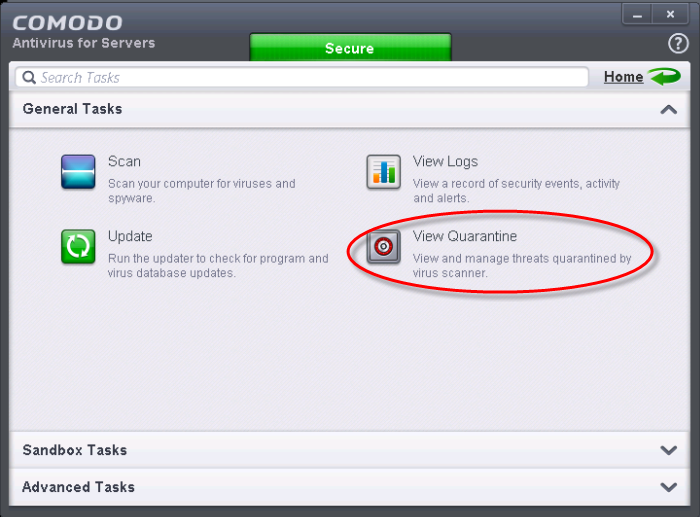
Perform a quarantine query as described in Quarantine Query. From the Quarantined results window, select the files you want to delete or restore and click:
- Click Delete to permanently delete the selected file(s)
- Click Restore to restore the selected files to the original location
Should you clean quarantine or delete a virus?
Should I remove, quarantine, or allow a threat? This depends on how much you know about the file that has been detected. Remove deletes the file from your PC. Quarantine moves the file to a safe location and blocks it so it can’t run.
How do I remove a quarantine virus in Windows 10?
Open Windows Security. Select Virus & threat protection and then click Protection history. In the list of all recent items, filter on Quarantined Items.
How do I get rid of quarantined Trojan?
You can remove quarantined files from your system by clicking on Detection History. Here, simply select the elements you’d like to delete and click on the Remove button at the bottom of the window
Is it safe if a virus is quarantined?
Quarantined files cannot harm your computer, but they do still take up valuable space on your hard drive. Therefore, if you have infected files in quarantine, you should clean them as soon as possible. Remember, it’s as simple as scanning, quarantining infected files, and cleaning or deleting them.
Can a virus be erased?
The easiest way to remove viruses is by using an antivirus program designed to clean your system safely. If a virus is already on your computer, however, you may need to run this program under very specific conditions.
Can you just delete a virus?
The easiest way to remove viruses is by using an antivirus program designed to clean your system safely. If a virus is already on your computer, however, you may need to run this program under very specific conditions.
Where are viruses quarantined in Windows 10?
You can find recently quarantined files in the Protection History. Open Settings > Privacy & Security > Windows Security and click the Open Windows Security button. Select Virus & Threat Protection and click the Protection History option below the Scan button.
Are quarantined viruses deleted?
Are quarantined viruses actually removed? Quarantined files are not deleted unless you want them to be. As mentioned above, quarantining a suspicious file merely relocates the infected file into a safe space on your computer.
What happens when a virus is quarantined?
In other words, to quarantine a virus means to isolate a malicious file in a specific, safe area of your device so that the infection does not spread to other files on it. When antivirus software quarantines a file, that file cannot be accessed by other programs.
Does deleting a virus remove it?
If a virus is found, it may affect multiple files. Select ‘Delete’ or ‘Quarantine’ to remove the file(s) and get rid of the virus. Rescan your computer to check there’s no further threats.
How do I get rid of quarantined viruses
Perform a quarantine query as described in Quarantine Query. From the Quarantined results window, select the files you want to delete or restore and click: Click Delete to permanently delete the selected file(s) Click Restore to restore the selected files to the original location.
Cached
Should you clean quarantine or delete a virus
Should I remove, quarantine, or allow a threat This depends on how much you know about the file that has been detected. Remove deletes the file from your PC. Quarantine moves the file to a safe location and blocks it so it can't run.
How do I remove a quarantine virus in Windows 10
Open Windows Security. Select Virus & threat protection and then click Protection history. In the list of all recent items, filter on Quarantined Items.
How do I get rid of quarantined Trojan
You can remove quarantined files from your system by clicking on Detection History. Here, simply select the elements you'd like to delete and click on the Remove button at the bottom of the window.
Cached
Is it safe if a virus is quarantined
Quarantined files cannot harm your computer but they do still take up valuable space on your hard drive. Therefore, if you have infected files in quarantine, you should clean them as soon as possible. Remember, it's as simple as scanning, quarantining infected files, and cleaning or deleting them.
Can a virus be erased
The easiest way to remove viruses is by using an antivirus program designed to clean your system safely. If a virus is already on your computer, however, you may need to run this program under very specific conditions.
Can you just delete a virus
The easiest way to remove viruses is by using an antivirus program designed to clean your system safely. If a virus is already on your computer, however, you may need to run this program under very specific conditions.
Where are viruses quarantined in Windows 10
You can find recently quarantined files in the Protection History.Open Settings > Privacy & Security > Windows Security, and click the Open Windows Security button.Select Virus & Threat Protection and click the Protection History option below the Scan button.
Are quarantined viruses deleted
Are quarantined viruses actually removed Quarantined files are not deleted unless you want them to be. As mentioned above, quarantining a suspicious file merely relocates the infected file into a safe space on your computer.
What happens when a virus is quarantined
In other words, to quarantine a virus means to isolate a malicious file in a specific, safe area of your device so that the infection does not spread to other files on it. When antivirus software quarantines a file, that file cannot be accessed by other programs.
Does deleting a virus remove it
If a virus is found, it may affect multiple files. Select 'Delete' or 'Quarantine' to remove the file(s) and get rid of the virus. Rescan your computer to check there's no further threats.
How long until a virus is no longer contagious
Even if mild symptoms remain, you are likely not contagious after 10 days. However, if you have a weakened immune system or severe illness (requiring hospitalization, intensive care or even intubation), you can be contagious for up to three weeks or more.
What are the steps to remove a virus
Computer virus removal: 8 essential stepsGet in touch with a service professional.Download and install antivirus software.Disconnect from the internet.Reboot into safe mode.Run a full scan, delete the virus or put it in quarantine.Delete temporary files and clear browser cache.Update your browser and OS.
How do I manually remove a virus
If your PC has a virus, following these ten simple steps will help you to get rid of it:Step 1: Download and install a virus scanner.Step 2: Disconnect from internet.Step 3: Reboot your computer into safe mode.Step 4: Delete any temporary files.Step 5: Run a virus scan.Step 6: Delete or quarantine the virus.
How do I manually remove a virus without antivirus
Here's how to do this:Click the Windows logo on the right bottom.Type “Temporary Files”Choose “Free up disk space by deleting unnecessary files”Find and select “Temporary Internet Files” in the 'Files to delete' Disk Cleanup list and click OK.Confirm “Delete Files” selection.
What does it mean when a Virus scanner has quarantined an infected file on your computer
It's the same with computer viruses. In other words, to quarantine a virus means to isolate a malicious file in a specific, safe area of your device so that the infection does not spread to other files on it. When antivirus software quarantines a file, that file cannot be accessed by other programs.
How to detect quarantine and remove viruses from the computer
If your PC has a virus, following these ten simple steps will help you to get rid of it:Step 1: Download and install a virus scanner.Step 2: Disconnect from internet.Step 3: Reboot your computer into safe mode.Step 4: Delete any temporary files.Step 5: Run a virus scan.Step 6: Delete or quarantine the virus.
Where are quarantined viruses stored
You can find recently quarantined files in the Protection History. Open Settings > Privacy & Security > Windows Security, and click the Open Windows Security button. Select Virus & Threat Protection and click the Protection History option below the Scan button.
What does quarantined virus mean
It's the same with computer viruses. In other words, to quarantine a virus means to isolate a malicious file in a specific, safe area of your device so that the infection does not spread to other files on it. When antivirus software quarantines a file, that file cannot be accessed by other programs.
How long do you need to quarantine from virus
Even though the public health emergency has ended, experts say people should still isolate for at least 5 days if they test positive for COVID-19. People who test positive for the virus should continue to follow other health protocols like wearing a mask and notifying close contacts.
Is my computer safe if a virus is quarantined
Quarantined files cannot harm your computer but they do still take up valuable space on your hard drive. Therefore, if you have infected files in quarantine, you should clean them as soon as possible. Remember, it's as simple as scanning, quarantining infected files, and cleaning or deleting them.
How to treat a viral infection
Viral infections are usually treated by managing the symptoms. This often means using over-the-counter pain relievers to ease pain and reduce fever, rest for fatigue, etc., until the virus is gone.
How long should I stay home with a viral infection
Advise all employees to stay home if they are sick until at least 24 hours after their fever is gone without the use of fever-reducing medicines, or after symptoms have improved (at least 4-5 days after flu symptoms started).
How long does it take a virus to go away
A viral infection usually lasts only a week or two. But when you're feeling rotten, this can seem like a long time! Here are some tips to help ease symptoms and get better faster: Rest.
Will a virus clear up on its own
But antibiotics only treat infections caused by bacteria. They don't work on viruses. The good news is that viral infections usually aren't serious. Most will go away in a few days without medical treatment.


0 Comments