
What causes high CO2 levels in house?
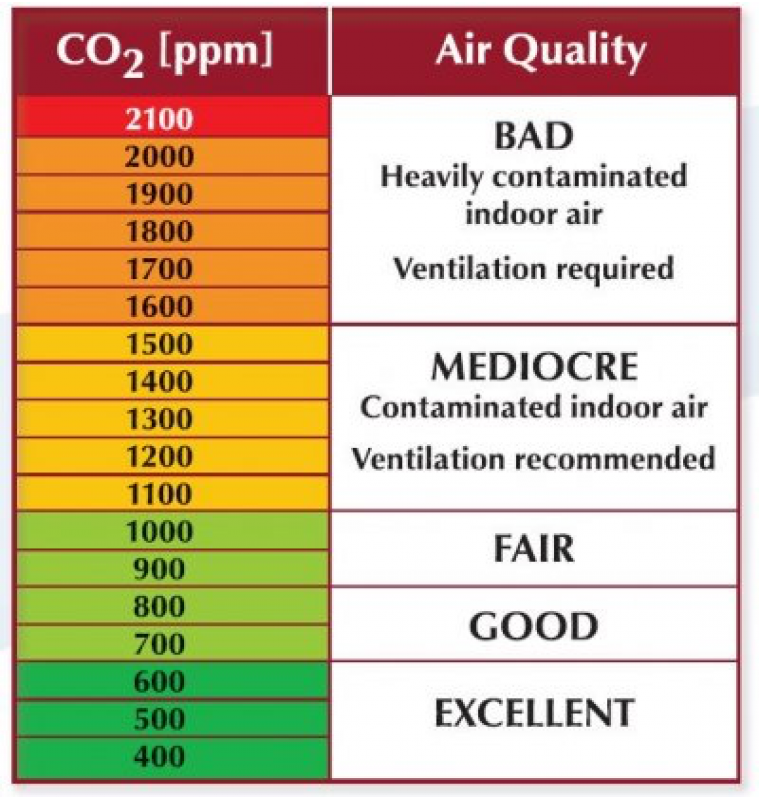
How do I fix high CO2 levels in my house
How can I reduce high household CO2 levels?
- Make sure you have proper ventilation. Open windows often and run fans to circulate air.
- Incorporate live plants in your home.
- Keep your HVAC well maintained with regular service and new air filters.
- Use air purifiers.
What can cause CO2 levels to be high in home
Sources of CO2 in indoor air:
- Carbon dioxide is a pollutant found in indoor and outdoor air.
- Indoors, CO2 is mainly produced through the respiration (breathing) of occupants, but can also come from: cigarette smoking, unvented or poorly vented fuel-burning appliances.
What are 3 causes of increased CO2
Human activities such as the burning of oil, coal, and gas, as well as deforestation, are the primary cause of the increased carbon dioxide concentrations in the atmosphere.
What are the symptoms of high CO2 in home
Occupants may experience health effects in buildings where CO2 is elevated, but the symptoms are usually due to the other contaminants in the air that also build up as a result of insufficient ventilation. At high levels, the carbon dioxide itself can cause headache, dizziness, nausea, and other symptoms.
What are the symptoms of high indoor CO2
At high levels, the carbon dioxide itself can cause headache, dizziness, nausea, and other symptoms. This could occur when exposed to levels above 5,000 ppm for many hours.
What are the symptoms of too much CO2 in room
Occupants may experience health effects in buildings where CO2 is elevated, but the symptoms are usually due to the other contaminants in the air that also build up as a result of insufficient ventilation. At high levels, the carbon dioxide itself can cause headache, dizziness, nausea, and other symptoms.
What emits the most CO2
Transportation (28% of 2021 greenhouse gas emissions) – The transportation sector generates the largest share of greenhouse gas emissions. Greenhouse gas emissions from transportation primarily come from burning fossil fuel for our cars, trucks, ships, trains, and planes.
What does increased CO2 indicate
When your blood has too much CO2, it means the body is not properly removing it (hypercapnia). Higher-than-normal CO2 levels in the blood could point to a health problem such as respiratory or metabolic alkalosis, Cushing’s syndrome, etc.
Do air purifiers reduce CO2
No. They do not remove carbon dioxide (CO2). Almost all air purifiers are designed to capture some combination of particles and toxic gasses, but CO2 can’t be captured by the same filters that capture other gaseous air pollution.
How do I find a CO2 leak in my house
By learning how to check for a carbon monoxide leak, you can know when to seek help and stay safe. Signs of a CO2 leak include:
- Yellow or orange flames coming out of your gas appliances instead of the usual blue flame.
- Dark and sooty staining on or around gas appliances.
- Pilot lights that frequently blow out.
- Increased condensation on windows.
How do you tell if there is a CO2 leak in your house
Signs of a CO2 leak include:
- Sooty or brownish-yellow stains around the leaking appliance.
- Stale, stuffy, or smelly air, like the smell of something burning or overheating.
- Soot, smoke, fumes, or back-draft in the house from a chimney, fireplace, or other fuel burning equipment.
How do I fix high CO2 levels in my house
How can I reduce high household co2Make sure you have proper ventilation. Open windows often and run fans to circulate air.Incorporate live plants in your home.Keep your HVAC well maintained with regular service and new air filters.Air purifiers.
Cached
What can cause CO2 levels to be high in home
Sources of CO2 in indoor air
Carbon dioxide is a pollutant found in indoor and outdoor air. Indoors, CO2 is mainly produced through the respiration (breathing) of occupants, but can also come from: cigarette smoking. unvented or poorly vented fuel-burning appliances.
What are 3 causes of increased CO2
Human activities such as the burning of oil, coal and gas, as well as deforestation are the primary cause of the increased carbon dioxide concentrations in the atmosphere.
What are the symptoms of high CO2 in home
Occupants may experience health effects in buildings where CO2 is elevated, but the symptoms are usually due to the other contaminants in the air that also build up as a result of insufficient ventilation. At high levels, the carbon dioxide itself can cause headache, dizziness, nausea and other symptoms.
What are the symptoms of high indoor CO2
At high levels, the carbon dioxide itself can cause headache, dizziness, nausea and other symptoms. This could occur when exposed to levels above 5,000 ppm for many hours.
What are the symptoms of too much CO2 in room
Occupants may experience health effects in buildings where CO2 is elevated, but the symptoms are usually due to the other contaminants in the air that also build up as a result of insufficient ventilation. At high levels, the carbon dioxide itself can cause headache, dizziness, nausea and other symptoms.
What emits the most CO2
Transportation (28% of 2021 greenhouse gas emissions) – The transportation sector generates the largest share of greenhouse gas emissions. Greenhouse gas emissions from transportation primarily come from burning fossil fuel for our cars, trucks, ships, trains, and planes.
What does increased CO2 indicate
When your blood has too much CO2, it means the body is not properly removing it (hypercapnia). Higher-than-normal CO2 levels in the blood could point to a health problem such as: Respiratory or metabolic alkalosis. Cushing's syndrome.
Do air purifiers reduce CO2
No. They do not remove carbon dioxide (CO2). Almost all air purifiers are designed to capture some combination of particles and toxic gasses, but CO2 can't be captured by the same filters that capture other gaseous air pollution.
How do I find a CO2 leak in my house
By learning how to check for a carbon monoxide leak, you can know when to seek help and stay safe.Yellow or orange flames coming out of your gas appliances instead of the usual blue flame.Dark and sooty staining on or around gas appliances.Pilot lights that frequently blow out.Increased condensation on windows.
How do you tell if there is a CO2 leak in your house
Sooty or brownish-yellow stains around the leaking appliance. Stale, stuffy, or smelly air, like the smell of something burning or overheating. Soot, smoke, fumes, or back-draft in the house from a chimney, fireplace, or other fuel burning equipment. The lack of an upward draft in chimney flue.
What are the signs of a c02 leak
Some resulting changes in your well-being mimic hangover symptoms and may also signify that you may have a carbon monoxide leak in your home.Headaches.Dizziness.Nausea.Breathlessness and chest pains.Fainting or collapsing.
What are the first signs of carbon dioxide poisoning
What are the symptoms of CO poisoning The most common symptoms of CO poisoning are headache, dizziness, weakness, upset stomach, vomiting, chest pain, and confusion. CO symptoms are often described as “flu-like.” If you breathe in a lot of CO it can make you pass out or kill you.
What are the 2 largest contributors of CO2
Deforestation, agriculture, and fossil fuel use are the primary sources of CO2.
What are 3 things you can do to lower your carbon footprint
Simple Tips to Reduce Your Carbon FootprintSwitch it Off. Turn off the lights when natural light is sufficient and when you leave the room.Climate Control.Wasteful Windows.Minimize Plug Load.Phantom Power.Give it a Rest.Take the Stairs.Loaded Laundry.
What are the dangers of high CO2 levels
Exposure to CO2 can produce a variety of health effects. These may include headaches, dizziness, restlessness, a tingling or pins or needles feeling, difficulty breathing, sweating, tiredness, increased heart rate, elevated blood pressure, coma, asphyxia, and convulsions.
What level of CO2 is harmful to humans
around 40,000 ppm
At even higher levels of CO2 can cause asphyxiation as it replaces oxygen in the blood-exposure to concentrations around 40,000 ppm is immediately dangerous to life and health.
How can I remove CO2 from air
Potential solutions include leveraging photosynthesis in coastal plants, seaweed, or phytoplankton; adding certain minerals to seawater that react with dissolved CO2 and lock it away; or running an electric current through seawater to accelerate reactions that ultimately help extract CO2.
What air filter removes carbon dioxide
The aerium is the world's first organic air purifier that uses algae to clean the air we breathe. As a carbon dioxide air purifier, it specifically targets CO2, whereas the majority of other air filters do not.
What are the symptoms of CO2 leak
What are the symptoms of CO poisoning The most common symptoms of CO poisoning are headache, dizziness, weakness, upset stomach, vomiting, chest pain, and confusion. CO symptoms are often described as “flu-like.” If you breathe in a lot of CO it can make you pass out or kill you.
What is the best way to detect a CO2 leak
One of the easiest ways to find your CO2 leak is with the fast-acting Spot-It Gas Leak Detector Fluid. It works by producing a large bubble at the location of the leak on your beer or beverage regulator. The bubbles cling to the surface for easy identification and are fluorescent under a black light.
How do you know if you have too much carbon dioxide in your house
Occupants may experience health effects in buildings where CO2 is elevated, but the symptoms are usually due to the other contaminants in the air that also build up as a result of insufficient ventilation. At high levels, the carbon dioxide itself can cause headache, dizziness, nausea and other symptoms.
What are the symptoms of high CO2 levels in a house
1,000–2,000 ppm: level associated with complaints of drowsiness and poor air. 2,000–5,000 ppm: level associated with headaches, sleepiness, and stagnant, stale, stuffy air. Poor concentration, loss of attention, increased heart rate and slight nausea may also be present.
What is the number 1 source of CO2 emissions
burning fossil fuels
The largest source of greenhouse gas emissions from human activities in the United States is from burning fossil fuels for electricity, heat, and transportation.
What emits most CO2
Global carbon emissions from fossil fuels have significantly increased since 1900. Since 1970, CO2 emissions have increased by about 90%, with emissions from fossil fuel combustion and industrial processes contributing about 78% of the total greenhouse gas emissions increase from 1970 to 2011.


0 Comments