
How do I see all my drivers?
Summary of the Article
Here are some frequently asked questions about checking and updating drivers in Windows:
- How can I check all my drivers?
Right-click on Start, then select Device Manager. Select a device category, then right-click the one you like to update. Select Update driver, then click Search automatically for drivers. If Windows can’t find an update, visit the device manufacturer’s website and check for available driver updates. - How do I see all the installed drivers in Windows 10?
The easiest way is to right-click on the Start button and then click the Device Manager option. Once the Device Manager is launched, click on the View menu and select Devices by driver. The Device Manager will now display all installed drivers. - How do I see all drivers in Windows 11?
In Windows, search for and open Device Manager. In the list of devices, expand the component that you want to update. Right-click the device, and then click Update driver. Click Search automatically for drivers and follow the on-screen instructions. - What drivers are installed on my computer?
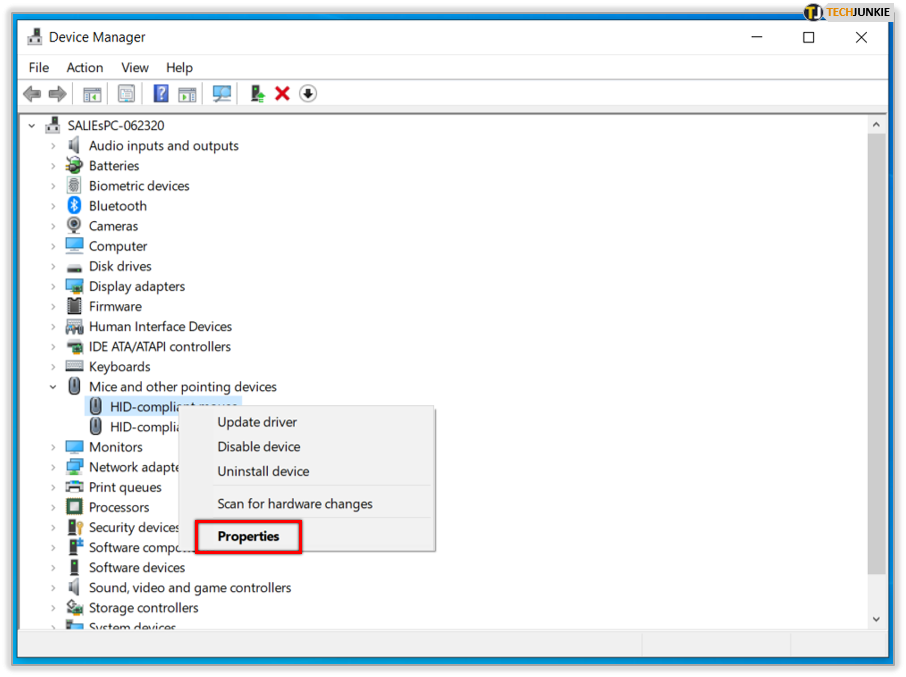
To determine driver version using Device Manager, open Start, search for Device Manager, and click the top result to open the experience. Expand the branch for the device that you want to check the driver version. Right-click the device and select the Properties option. - How do I check if all my drivers are up to date?
Go to Settings > Update & Security > Windows Update and check for updates. Windows will automatically check for updates for your device drivers and prompt you to install them if any are available. - Do I need to update my drivers?
While it typically isn’t crucial to grab every BIOS update as soon as it’s released, it can be a good idea to do the update if it’s necessary for upgrading to a new OS or processor or to fix security issues. - Why can’t I see all my drives in Windows 10?
If your internal hard drive is not showing up, it might be because it is not initialized or it needs formatting. Ensure your disk is properly connected to the motherboard with the SATA cable. Due to some BIOS settings, your HDD might also not be visible in Windows 10. - Does Windows 10 have all the drivers?
In Windows 10 and Windows 11, almost all drivers get downloaded automatically. Moreover, manual drivers for each component are also available on manufacturer’s websites. Nowadays, most users and tech guys go for automatic drivers from Windows Updates. - How do I find hidden drivers in Windows 11?
To include hidden devices in Device Manager display, select View and then select Show hidden devices. - How do I find hidden drives in Windows 11?
Open File Explorer from the taskbar, select View > Options > Change folder and search options, go to the View tab, select Show hidden files, folders, and drives, and click OK. - How do I find and install drivers?
Go to Device Manager, find the device that needs to install a driver, right-click on the device and select Update Driver Software, select Browse my computer for driver software, and select Let me pick from a list of device drivers on my computer.
How can I check all my drivers
Right-click on Start , then select Device Manager. Select a device category, then right-click the one you like to update. Select Update driver, then click Search automatically for drivers. If Windows can't find an update, visit the device manufacturer's website and check for available driver updates.
Cached
How do I see all the installed drivers in Windows 10
The easiest way is to right-click on the Start button and then click the Device Manager option. Step 2: Once the Device Manager is launched, click on the View menu and select Devices by driver. That is it! The Device Manager will now display all installed drivers.
Cached
How do I see all drivers in Windows 11
In Windows, search for and open Device Manager. In the list of devices, expand the component that you want to update. Right-click the device, and then click Update driver. Click Search automatically for drivers, and then follow the on-screen instructions.
What drivers are installed on my computer
How to determine driver version using Device ManagerOpen Start.Search for Device Manager and click the top result to open the experience.Expand the branch for the device that you want to check the driver version.Right-click the device and select the Properties option.
How do I check if all my drivers are up to date
Using Windows Update: Go to Settings > Update & Security > Windows Update and check for updates. Windows will automatically check for updates for your device drivers and prompt you to install them if any are available.
Do I need to update my drivers
While it typically isn't crucial to grab every bios update as soon as it's released. It can be a good idea to do the update if it's necessary for upgrading to a new os or processor to fix the security
Why can’t I see all my drives in Windows 10
If your internal hard drive is not showing up, it might be because it is not initialized or it needs formatting. Ensure your disk is properly connected to the motherboard with the SATA cable. Due to some BIOS settings, your HDD might also not be visible in Windows 10.
Does Windows 10 have all the drivers
Hi, In Windows 10 and Windows 11, almost all drivers get downloaded automatically. Moreover, manual drivers for each components are also available on manufacturer's websites. Nowadays most of users and tech guys go for Automatic drivers from Windows Updates.
How do I find hidden drivers in Windows 11
To include hidden devices in Device Manager display, select View and select Show hidden devices.
How do I find hidden drives in Windows 11
View hidden files and folders in WindowsOpen File Explorer from the taskbar.Select View > Options > Change folder and search options.Select the View tab and, in Advanced settings, select Show hidden files, folders, and drives and OK.
How do I find and install drivers
Following steps are for your reference how to install the driver in this way.Go to Device Manager.Find the device that need to install a driver.Right-click on the device and select Update Driver Software…Select Browse my computer for driver software.Select Let me pick from a list of device drivers on my computer.
Where do I find my graphics driver
To launch the DirectX Diagnostic Tool, type dxdiag into the desktop search bar and hit Enter to run the command. Click the Display tab for a full rundown of your graphics devices, as well as the graphics drivers that run them.
What are my drivers in life
Passion — That what you love doing. Mastery — That what you are really good at. Values — That what you find important. Mission — That what you want your life to build up to.
How do I update all out of date drivers
To update drivers using Windows UpdateOpen Windows Update by clicking the Start button.In the left pane, click Check for updates.On the Select the updates you want to install page, look for updates for your hardware devices, select the check box for each driver that you want to install, and then click OK.
How do I update all my drivers
Update the device driverIn the search box on the taskbar, enter device manager, then select Device Manager.Select a category to see names of devices, then right-click (or press and hold) the one you'd like to update.Select Search automatically for updated driver software.Select Update Driver.
Why aren’t all my drives showing up
Where is my hard drive If your internal hard drive is not showing up, it might be because it is not initialized or it needs formatting. Ensure your disk is properly connected to the motherboard with the SATA cable. Due to some BIOS settings, your HDD might also not be visible in Windows 10.
Why did all my drives disappear
The local disk may be formatted or deleted accidentally. The hard drive may be incompatible with the Windows. Your disk may be disabled in BIOS. Bad sector errors also cause local disk missing issue.
How do I check all my drivers Windows
In the search box on the taskbar, enter device manager, then select Device Manager. Select a category to see names of devices, then right-click (or press and hold) the one you'd like to update.
How do I unhide drivers
Unhide the Drive Using Disk ManagementFrom the Start menu, open the Run dialog box or you can press the "Window + R" key to open the RUN window.Type "diskmgmt.Right click on the drive hidden by you, then select "Change Drive Letters and Paths".Remove the mentioned drive letter and path, then click on the OK button.
How do I show hidden drivers
To include hidden devices in Device Manager display, select View and select Show hidden devices.
How do I show hidden drives
Select the Start button, then select Control Panel > Appearance and Personalization. Select Folder Options, then select the View tab. Under Advanced settings, select Show hidden files, folders, and drives, and then select OK.
How do I make hidden drives visible
You can access a hidden drive with the help of Disk Management:Right-click on This PC/My Computer and click on "Manage".Select the partition that you've hidden previously.Click "Add" to assign the drive letter for the partition to unhide it.Assign the drive letter for the hidden partition, and hit "OK".
How do I check if my drivers are up to date
Using Windows Update: Go to Settings > Update & Security > Windows Update and check for updates. Windows will automatically check for updates for your device drivers and prompt you to install them if any are available.
How do you know when you need to update your drivers
If your hardware is working as intended, it's best to let it be, since new drivers can introduce problems as well as fix them. If, however, you're having issues with a specific piece of hardware—or you know one of your drivers has a security flaw that needs fixing—it might be a good idea to update it.
How do I see all NVIDIA drivers
To do so:On your keyboard, press the Windows logo key and R at the same time to invoke the Run box.Type devmgmt. msc and click OK.In Device Manager, double click Display adapters to expand it.Click the Driver tab, and you can see the Driver Version here, and also other information like Driver Provider, Driver Date.


0 Comments