
How long does a carbon monoxide meter last?
How Long Do Carbon Monoxide Monitors Last?
CO alarms have a life expectancy of around seven years. All CO alarms produced after August 1, 2009, have an end-of-life warning notification that alerts the resident that the alarm should be replaced. The CO alarm will beep every 30 seconds or display ERR or END.
How Do I Know If My Carbon Monoxide Detector Is Still Good?
To test your carbon monoxide detector to ensure they are working properly, it is important to test your detectors monthly. To test your CO alarms, press and hold the test button on the alarm. The detector will sound 4 beeps, a pause, then 4 beeps for 5-6 seconds.
What is the Life of a 7-Year Carbon Monoxide Detector?
The sensor within the unit will deteriorate after 7 years, so to ensure you’re protected, we recommend you replace the unit after this time. The CO-9X alarm has been designed to conform to the EU standards – EN 50291-1: 2010 + A1:2012 and EN 50291-2: 2010.
Can An Old Carbon Monoxide Detector Go Off?
If a carbon monoxide detector becomes expired or its battery is low, this can cause its alarm to go off sporadically. Built-up moisture in a bathroom or like areas can set off a carbon monoxide detector. Carbon monoxide detectors should not be set up in areas where there is a tremendous amount of steam.
How Often Should You Change Your Carbon Monoxide Tester?
In accordance with the National Fire Protection Association (NFPA), Kidde recommends replacing smoke and heat alarms every ten years and replacing carbon monoxide and combination alarms every seven to ten years (depending on your model) to benefit from the latest technology upgrades.
What Makes a Carbon Monoxide Detector Go Bad?
Carbon monoxide detectors expire because the sensor part that reacts with carbon monoxide gas loses sensitivity as time goes by. They can last somewhere from five to ten years. Most carbon monoxide detectors will have an expiration date on the back to let you know when you should replace them.
What Are Two Warning Signs of Carbon Monoxide Poisoning?
The most common symptoms of CO poisoning are headache, dizziness, weakness, upset stomach, vomiting, chest pain, and confusion. CO symptoms are often described as “flu-like.” If you breathe in a lot of CO, it can make you pass out or kill you.
Should My Carbon Monoxide Detector Have a Green Light?
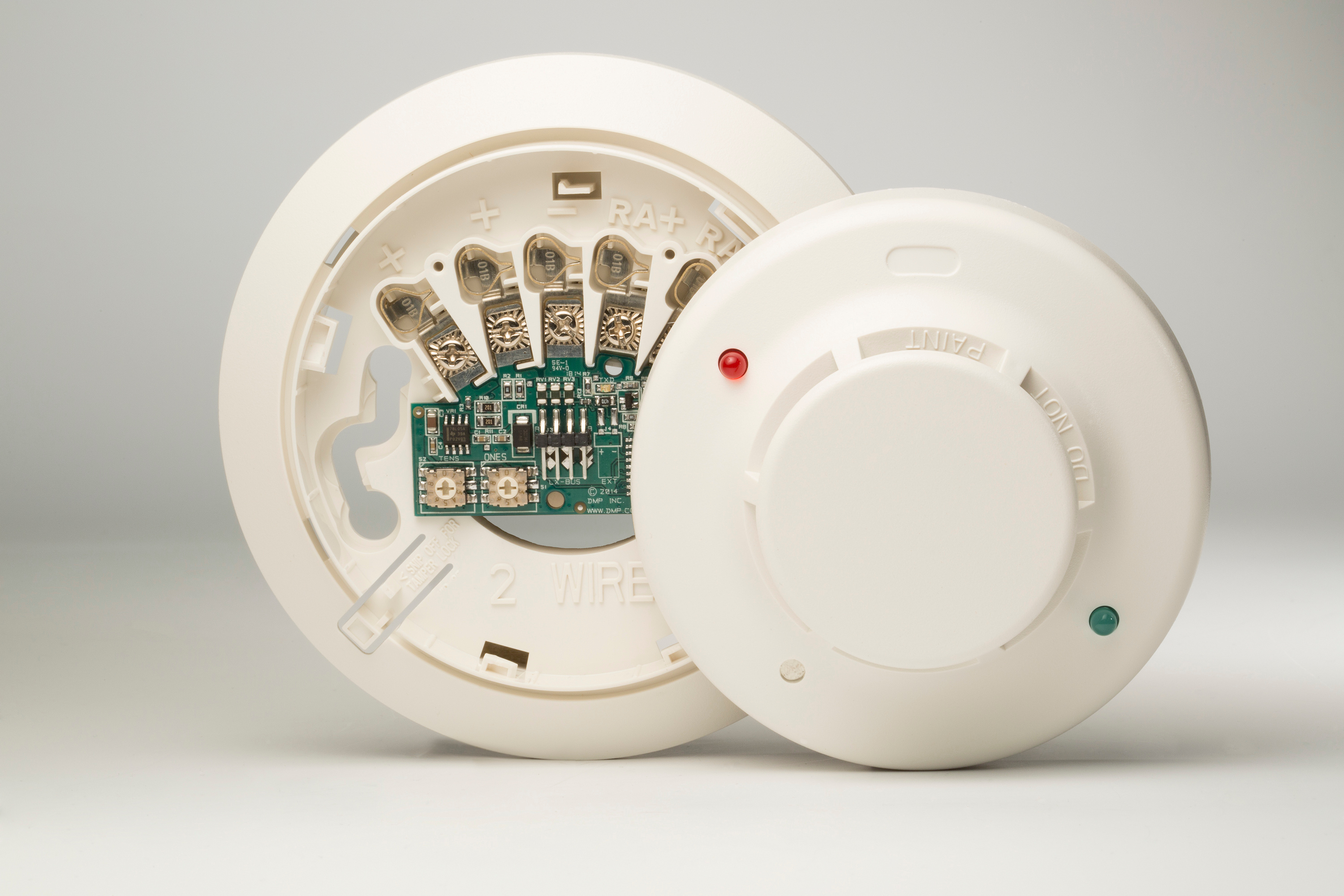
If the red or green light on your CO detector is illuminated, that’s a sign that the unit has power. If the light is off, replace the batteries and follow the reset steps.
Why Does a CO Detector Expire?
Just like any device ran with an electrical circuit, carbon monoxide detectors expire when the sensitivity of the sensor’s components dull because of its exposure to the gas for a long time. The estimated time frame is usually five to seven years, but newly-manufactured models can reach up to 10 years.
Why Is My Carbon Monoxide Detector Going Off for No Reason?
Your carbon monoxide alarm is going off for one of the following reasons: It is doing its job properly and detects CO pollution in the air. It is a false alarm caused by other household items. The detector is malfunctioning or the batteries need changing.
How long do carbon monoxide monitors last
CO alarms have a life expectancy of around seven years. All CO alarms produced after August 1, 2009, have an end-of-life warning notification that alerts the resident that the alarm should be replaced. The CO alarm will beep every 30 seconds or display ERR or END.
Cached
How do I know if my carbon monoxide detector is still good
How to test your carbon monoxide detector to ensure they are working properly It is important to test your detectors monthly to ensure they are working properly. To test your CO alarms, press and hold the test button on the alarm. The detector will sound 4 beeps, a pause, then 4 beeps for 5-6 seconds.
Cached
What is the life of a 7 year carbon monoxide detector
The sensor within the unit will deteriorate after 7 years, so to ensure you're protected we recommend you replace the unit after this time. The CO‑9X alarm has been designed to conform to the EU standards ‑ EN 50291‑1: 2010 + A1:2012 and EN 50291‑2: 2010.
Can an old carbon monoxide detector go off
If a carbon monoxide detector becomes expired or its battery is low, this can cause its alarm to go off sporadically. Built up moisture in a bathroom or like areas can set off a carbon monoxide detector, carbon monoxide detectors should not be set up in areas where there is a tremendous amount of steam.
Cached
How often should you change your carbon monoxide tester
every seven to ten years
In accordance with the National Fire Protection Association (NFPA), Kidde recommends replacing smoke and heat alarms every ten years and replacing carbon monoxide and combination alarms every seven to ten years (depending on your model) to benefit from the latest technology upgrades.
What makes a carbon monoxide detector go bad
Carbon monoxide detectors expire because the sensor part that reacts with carbon monoxide gas loses sensitivity as time goes by. can last somewhere from five to ten years. Most carbon monoxide detectors will have an expiration date on the back to let you know when you should replace them.
What are two warning signs of carbon monoxide poisoning
What are the symptoms of CO poisoning The most common symptoms of CO poisoning are headache, dizziness, weakness, upset stomach, vomiting, chest pain, and confusion. CO symptoms are often described as “flu-like.” If you breathe in a lot of CO it can make you pass out or kill you.
Should my carbon monoxide detector have a green light
If the red or green light on your CO detector is illuminated, that's a sign that the unit has power. If the light is off, replace the batteries and follow the reset steps.
Why does a CO detector expire
Just like any device ran with an electrical circuit, carbon monoxide detectors expire when the sensitivity of the sensor's components dull because of its exposure to the gas for a long time. The estimated time frame is usually five to seven years, but newly-manufactured models can reach up to 10 years.
Why is my carbon monoxide detector going off for no reason
Your carbon monoxide alarm is going off for one of the following reasons: It is doing its job properly and detects CO pollution in the air. It is a false alarm caused by other household items. The detector is malfunctioning or the batteries need changing.
Why is my smoke carbon monoxide detector going off for no reason
If your smoke or carbon monoxide alarm becomes contaminated by excessive dirt, dust or grime, and cannot be cleaned, you should replace the detector immediately. You may have placed your smoke and CO alarms in an area prone to false alarms, so relocate the detector if it sounds frequent unwanted alarms.
What are the 3 most common causes for carbon monoxide poisoning
Carbon monoxide is in fumes (smoke) from: Car and truck engines. Small gasoline engines. Fuel-burning space heaters (not electric).
How can you tell if there is carbon monoxide in your house
A carbon monoxide detector is a must for any home and just as important as a smoke detector. CO detectors should be placed near all bedrooms; they're the only way you will know if carbon monoxide is affecting the air quality in your home, and can help prevent serious illness and even death.
What color should carbon monoxide detector read
On First Alert carbon monoxide alarms, the red light flashes to show the CO alarm is properly receiving battery power. If you do not see the red light flashing, change the batteries in the alarm immediately.
What is the life expectancy of a CO detector
seven to ten years
In accordance with the National Fire Protection Association (NFPA), Kidde recommends replacing smoke and heat alarms every ten years and replacing carbon monoxide and combination alarms every seven to ten years (depending on your model) to benefit from the latest technology upgrades.
How do I know if my carbon monoxide detector needs a new battery
When the CO alarm emits a quick beep every 30 seconds and the red LED flashes, the unit has reached the end of its 7 or 10 year life. Replacing the batteries will not stop the chirp if the unit is at the end of its useful life.
Can anything else trigger a carbon monoxide detector
In domestic properties, your CO alarm can be triggered by any fuel burning appliance such as gas cookers, boilers and ovens. All of these appliances give off small traces of CO, but the levels can rise slightly when adequate ventilation isn't provided, or the venting is blocked or clogged by dust.
What can set off a carbon monoxide detector
Any fuel-burning appliance that is malfunctioning or improperly installed. Furnaces, gas ranges or stoves, gas clothes dryers, water heaters, portable fuel-burning space heaters, fireplaces, generators, and wood burning stoves. Vehicles, generators, and other combustion engines running in an attached garage.
What are the six signs of carbon monoxide poisoning
The most common symptoms of CO poisoning are headache, dizziness, weakness, nausea, vomiting, chest pain, and confusion.
What are the signs of a carbon monoxide leak
Signs of a carbon monoxide leak in your house or home
Stale, stuffy, or smelly air, like the smell of something burning or overheating. Soot, smoke, fumes, or back-draft in the house from a chimney, fireplace, or other fuel burning equipment. The lack of an upward draft in chimney flue. Fallen soot in fireplaces.
How often should I replace my CO detector
In accordance with the National Fire Protection Association (NFPA), Kidde recommends replacing smoke and heat alarms every ten years and replacing carbon monoxide and combination alarms every seven to ten years (depending on your model) to benefit from the latest technology upgrades.
Why is my carbon monoxide alarm going off randomly
Your carbon monoxide alarm is going off for one of the following reasons: It is doing its job properly and detects CO pollution in the air. It is a false alarm caused by other household items. The detector is malfunctioning or the batteries need changing.
How long does a carbon monoxide leak take to affect you
400 ppm: After 1 to 2 hours of contact, a headache and nausea may occur; more life-threatening symptoms can occur after three hours. 800 ppm: After 45 minutes, symptoms include headache, nausea and dizziness. You might collapse or become unconscious after 1 to 2 hours of exposure.
What is the most common cause of carbon monoxide leak
Carbon Monoxide Sources in the Home
CO is produced whenever a material burns. Homes with fuel-burning appliances or attached garages are more likely to have CO problems Common sources of CO in our homes include fuel-burning appliances and devices such as: Clothes dryers. Water heaters.
Should I call 911 if my carbon monoxide alarm goes off
Call 911 immediately and report that the alarm has gone off. Do not assume it is safe to reenter the home when the alarm stops. When you open windows and doors, it helps diminish the amount of carbon monoxide in the air, but the source may still be producing the gas.


0 Comments