
What is a high CO level?
Name=”chat_message_1_my” icon_show=”0″ background_color=”#e0f3ff” padding_right=”30″ padding_left=”30″ border_radius=”30″] Why is it important to have a carbon monoxide detector
Having a carbon monoxide detector is important because it can help protect you and your family from the dangerous effects of carbon monoxide poisoning. CO is an odorless and colorless gas that can be present in your home without you even knowing it. A detector can alert you when levels of CO become high, allowing you to take action to resolve the issue and prevent any harm to your health.
Can carbon monoxide detectors be used outdoors
Carbon monoxide detectors are designed for indoor use and should not be used outdoors. The sensors in these detectors are not designed to withstand the elements and may not provide accurate readings in outdoor environments. It is recommended to use carbon monoxide detectors specifically designed for outdoor use, such as those used in recreational vehicles or boats.
Is carbon monoxide lighter or heavier than airCarbon monoxide is slightly lighter than air. This means that it has a tendency to rise and disperse rather than sink to the ground. However, it is important to note that carbon monoxide can still mix with air and spread throughout a room or enclosed space, so it is crucial to have carbon monoxide detectors installed at appropriate locations in your home.
How often should carbon monoxide detectors be replacedCarbon monoxide detectors should be replaced according to the manufacturer’s recommended guidelines. Generally, it is recommended to replace the detector every 5-7 years. However, it is important to regularly test the detector and replace the batteries as needed to ensure its proper functioning.
Are carbon monoxide detectors required by lawThe laws regarding carbon monoxide detectors vary by jurisdiction. In many places, it is mandatory to have carbon monoxide detectors installed in residential properties. However, the specific requirements and regulations may differ, so it is important to familiarize yourself with the laws in your area.
How can I prevent carbon monoxide poisoningTo prevent carbon monoxide poisoning, it is important to take the following precautions:
– Install carbon monoxide detectors in appropriate locations throughout your home.
– Ensure proper ventilation in areas where fuel-burning appliances are used.
– Regularly inspect and maintain these appliances to ensure they are functioning correctly.
– Do not use fuel-burning devices, such as generators or grills, inside the home or in enclosed spaces.
– Avoid idling vehicles in attached garages.
By following these safety measures, you can significantly reduce the risk of carbon monoxide poisoning and protect the health and safety of yourself and your loved ones.
What should I do if my carbon monoxide detector goes offIf your carbon monoxide detector goes off, it is important to take immediate action to ensure your safety. Follow these steps:
1. Evacuate the premises: Leave the building immediately and bring all occupants outside to fresh air.
2. Call emergency services: Dial the emergency number in your area and inform them of the situation.
3. Do not re-enter the building: Wait for emergency personnel to arrive and assess the situation.
4. Seek medical attention if necessary: If you or anyone in your household is experiencing symptoms of carbon monoxide poisoning, seek medical attention immediately.
It is crucial to treat any carbon monoxide detection as a serious emergency and take swift action to protect yourself and others from the harmful effects of carbon monoxide.
Can carbon monoxide poisoning cause long-term effectsCarbon monoxide poisoning can result in long-term health effects, especially if exposure is prolonged or repeated. Some potential long-term effects of carbon monoxide poisoning may include:
– Neurological damage: Carbon monoxide can cause damage to the brain and nervous system, leading to memory loss, difficulty concentrating, and other cognitive impairments.
– Cardiovascular problems: Prolonged exposure to carbon monoxide can increase the risk of heart disease, heart attacks, and other cardiovascular conditions.
– Respiratory issues: Carbon monoxide can damage the respiratory system, leading to chronic cough, shortness of breath, and other respiratory problems.
– Emotional and psychological effects: Carbon monoxide poisoning can also have emotional and psychological effects, including depression, anxiety, and changes in mood and behavior.
It is important to seek medical attention if you have been exposed to carbon monoxide to assess any potential long-term effects and receive appropriate treatment.
Can carbon monoxide build up in your bodyCarbon monoxide can build up in the body when it is inhaled through the lungs. When you breathe in carbon monoxide, it enters your bloodstream and binds to hemoglobin, reducing its ability to carry oxygen to your organs and tissues. This buildup of carbon monoxide in the body can lead to carbon monoxide poisoning and the associated symptoms and health risks.
Can a carbon monoxide detector detect natural gasNo, a carbon monoxide detector cannot detect natural gas. Carbon monoxide detectors are specifically designed to detect carbon monoxide gas, not natural gas. However, there are natural gas detectors available that can detect the presence of natural gas in the air. It is important to have both a carbon monoxide detector and a natural gas detector installed in your home to ensure the safety of you and your family.
Is carbon monoxide a flammable gas No, carbon monoxide (CO) is not flammable. However, it is highly toxic and can be deadly if inhaled in high concentrations. Carbon monoxide is produced by the incomplete combustion of fuels such as natural gas, gasoline, propane, oil, and wood. It is important to be aware of the risk of carbon monoxide poisoning and take appropriate precautions to prevent exposure.
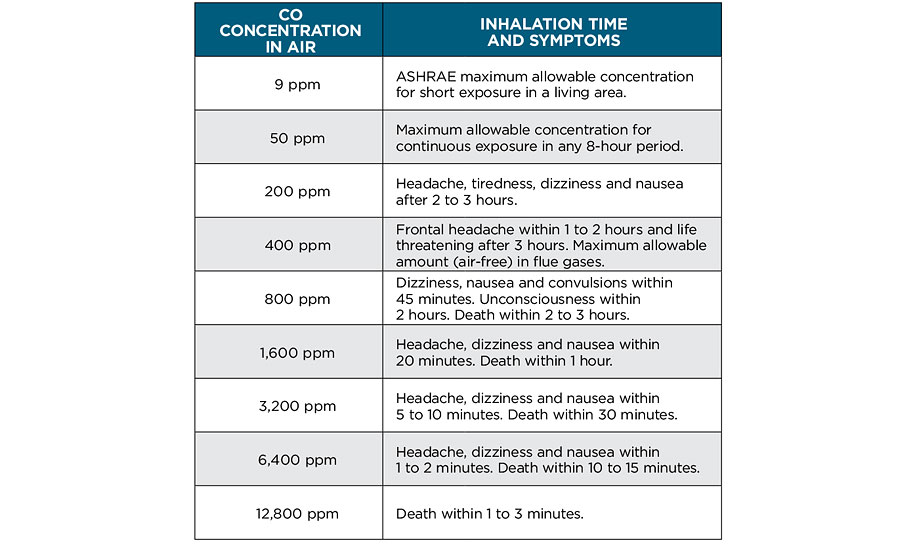
What level of CO is acceptable
Exposure Limits
[OSHA PEL] The current Occupational Safety and Health Administration (OSHA) permissible exposure limit (PEL) for carbon monoxide is 50 parts per million (ppm) parts of air (55 milligrams per cubic meter (mg/m(3))) as an 8-hour time-weighted average (TWA) concentration [29 CFR Table Z-1].
What is a harmful CO level
As CO levels increase and remain above 70 ppm, symptoms become more noticeable and can include headache, fatigue and nausea. At sustained CO concentrations above 150 to 200 ppm, disorientation, unconsciousness, and death are possible.
CachedSimilar
What is a safe CO level in a house
Carbon Monoxide Levels Chart9 ppm (parts-per-million) is the maximum indoor safe carbon monoxide level over 8 hours.200 ppm or greater will cause physical symptoms and is fatal in hours.800 ppm of CO or greater in the air is fatal within minutes.
Cached
At what level will a CO detector go off
The CO alarm sounds if your sensor detects a buildup of carbon monoxide in your home—usually before you start sensing symptoms. With a low CO level (50 ppm), it may take up to eight hours for the alarm to go off. Higher carbon monoxide levels (over 150 ppm) can trigger an alarm within minutes.
Cached
What are two warning signs of carbon monoxide poisoning
What are the symptoms of CO poisoning The most common symptoms of CO poisoning are headache, dizziness, weakness, upset stomach, vomiting, chest pain, and confusion. CO symptoms are often described as “flu-like.” If you breathe in a lot of CO it can make you pass out or kill you.
What are the 3 most common causes for carbon monoxide poisoning
Carbon monoxide is in fumes (smoke) from: Car and truck engines. Small gasoline engines. Fuel-burning space heaters (not electric).
Does opening windows get rid of carbon monoxide
Opening windows does not provide enough ventilation to be protective. CO is an invisible, odorless gas that can be fatal. If you breathe in a lot of CO gas, it can make you pass out or kill you.
What does 97 mean on a carbon monoxide detector
If the detector beeps once every 10-20 seconds or if you have a detector that displays numbers and reads 97 or L.B. most likely there is a malfunction of the detector or the battery is going dead. Please take time to read the instructions when you install the detector and BEFORE it activates.
What is the OSHA limit for CO ppm
What are the OSHA standards for CO exposure The OSHA PEL for CO is 50 parts per million (ppm). OSHA standards prohibit worker exposure to more than 50 parts of CO gas per million parts of air averaged during an 8-hour time period. The 8-hour PEL for CO in maritime operations is also 50 ppm.
Can you recover from carbon monoxide poisoning on your own
Most people who develop mild carbon monoxide poisoning recover quickly when moved into fresh air.
What are the symptoms of high co2 levels
When CO2 levels in the bloodstream are too high, it can lead to various symptoms, ranging from mild to potentially life threatening. Mild symptoms may include headaches, dizziness, and fatigue. In more severe cases, you may experience difficulty breathing, irregular heartbeat, seizures, or respiratory failure.
Can a window AC cause carbon monoxide poisoning
The short answer is no, air conditioners are unable to produce carbon monoxide. Carbon monoxide can only be emitted from fuel-burning devices. AC units run on electricity, so there's no possible way for them to produce carbon monoxide.
What does 80 mean on carbon monoxide detector
Levels of carbon monoxide exposure range from low to dangerous: Low level: 50 PPM and less. Mid-level: Between 51 PPM and 100 PPM. High level: Greater than 101 PPM if no one is experiencing symptoms. Dangerous level: Greater than 101 PPM if someone is experiencing symptoms.
What does 35 mean on a carbon monoxide detector
While this shouldn't be taken as a strict guideline, it helps you understand when carbon monoxide becomes dangerous. 35 PPM Maximum concentration allowed by federal law. 200 PPM Headaches, dizziness, or nausea after -3 hours. 400 PPM Severe headaches after 1-2 hours, death after 3 hours.
What is the danger level of CO ppm
Low level: 50 PPM and less. Mid-level: Between 51 PPM and 100 PPM. High level: Greater than 101 PPM if no one is experiencing symptoms. Dangerous level: Greater than 101 PPM if someone is experiencing symptoms.
What is normal ppm for CO
0.5 to 5 parts per million
Average levels in homes without gas stoves vary from 0.5 to 5 parts per million (ppm). Levels near properly adjusted gas stoves are often 5 to 15 ppm and those near poorly adjusted stoves may be 30 ppm or higher.
How long does it take for minor carbon monoxide poisoning to go away
CO leaves your body when you exhale, but it can take up to a day [1]. Carboxyhemoglobin forms in red blood cells when carbon monoxide gets into your bloodstream. Its half-life is approximately four hours in the fresh air.
How do you fix high CO2 levels
How can I reduce high household co2Make sure you have proper ventilation. Open windows often and run fans to circulate air.Incorporate live plants in your home.Keep your HVAC well maintained with regular service and new air filters.Air purifiers.
How do you fix high CO2 in blood
Options include:Ventilation. Ventilation is typically the first line of treatment for hypercapnia.Medication. Certain medications can help manage breathing or address underlying problems:Oxygen therapy. People who undergo oxygen therapy regularly use a device to deliver oxygen to the lungs.Lifestyle changes.Surgery.
How do you know if your AC is leaking carbon monoxide
Signs of Carbon Monoxide Leaks
The soot stain can have a black, brown or even yellow color. Smell: While carbon monoxide doesn't emit odor, it may get accompanied by other exhaust gases that produce an odor. A yellow burner flame: The pilot flame may produce an unusual yellow flame instead of the normal blue one.
What does 40 mean on a carbon monoxide detector
When Will Carbon Monoxide Levels Set Off Your Alarm
| Carbon Monoxide Level | Alarm Response Time |
|---|---|
| 40 PPM | 10 hours |
| 50 PPM | 8 hours |
| 70 PPM | 1 to 4 hours |
| 150 PPM | 10 to 50 minutes |
What does 97 on a carbon monoxide detector mean
If the detector beeps once every 10-20 seconds or if you have a detector that displays numbers and reads 97 or L.B. most likely there is a malfunction of the detector or the battery is going dead. Please take time to read the instructions when you install the detector and BEFORE it activates.
Is 30 high for carbon monoxide
Average levels in homes without gas stoves vary from 0.5 to 5 parts per million (ppm). Levels near properly adjusted gas stoves are often 5 to 15 ppm and those near poorly adjusted stoves may be 30 ppm or higher.
Is 10 ppm high carbon monoxide
What CO Level is Dangerous Prolonged exposure to carbon monoxide levels of 10ppm (parts per million) or above is shown to have adverse effects on the body and brain. Threshold at which prolonged exposure can have adverse effects on the body and brain.
Is 1500 ppm CO2 safe to breathe
The levels of CO2 in the air and potential health problems are: 400 ppm: average outdoor air level. 400–1,000 ppm: typical level found in occupied spaces with good air exchange. 1,000–2,000 ppm: level associated with complaints of drowsiness and poor air.


0 Comments