
Should I give my email password to my friend?
Should I give my email password to my friend?
Answer:
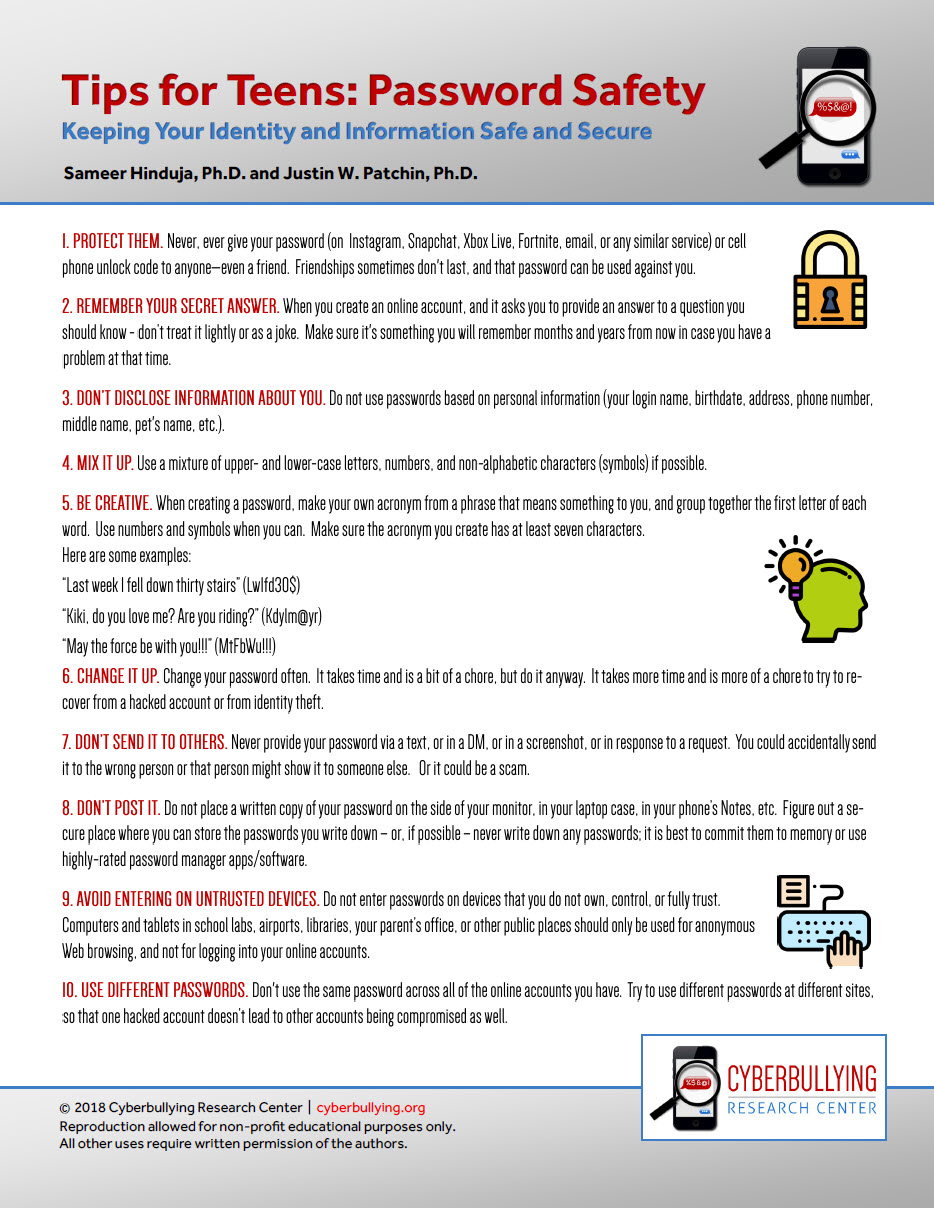
No, it is not safe to share your email password with anyone. If someone gains access to your email account, they can use it to request password resets for your other accounts and potentially lock you out of them. It is always recommended to keep your passwords private and not share them with anyone. Additionally, setting up two-factor authentication on all your accounts adds an extra layer of security.
Question 1: Should you share passwords with your family or friends?
Answer:
It is not advisable to use the same password for multiple accounts, especially if it is a simple and easy-to-remember password. Sharing a password among multiple family members increases the risk of potential cybercriminals gaining access to more of your personal data. It is best to use unique and strong passwords for each account.
Question 2: Is it okay to give your password to your best friend?
Answer:
Security experts do not recommend sharing passwords, as there is a risk of your accounts being compromised if they fall into the wrong hands. It is important to prioritize the security of your personal information and not share passwords with anyone.
Question 3: Why is it important to not share your password with anyone?
Answer:
According to a 2022 report, a significant percentage of breaches are a result of human errors, misuse, and social engineering. Sharing passwords for company applications, accounts, and remote utilities can increase your vulnerability to cyberattacks. It is crucial to safeguard your passwords to protect yourself and your accounts from potential breaches.
Question 4: What can someone do with your email password?
Answer:
If someone gains access to your email password, they can perform several malicious activities, including:
- Using your email address to send messages.
- Collecting your credentials using phishing campaigns.
- Accessing your accounts online.
- Stealing financial details.
- Accessing Personally Identifiable Information (PII).
- Stealing your identity.
- Participating in cybercrime schemes.
Question 5: What happens if someone knows your email and password?
Answer:
If hackers gain access to your email account logins, they can potentially infiltrate all your online accounts. Even if you do not use the same password for every account, hackers can still click on “forgot password” and use the link to reset and change the password, granting them access to your online accounts.
Question 6: Is it safe to give someone your password?
Answer:
Sharing your password with someone else poses a significant risk as they could gain access to all your accounts with the same password. This includes accounts with similar passwords as well. For example, if your password is shared for a social media platform, an individual with malicious intentions could change your profile picture to embarrass or harass you.
Question 7: Who should you share your password with?
Answer:
It is best to limit the people you share passwords with to only those who absolutely need the information. Trust is a crucial factor when deciding to share passwords. Make sure that the person you share it with understands the importance of keeping the password secure. You do not want to compromise your security measures by allowing someone else to make the password accessible and hackable.
Question 8: What is the safest way to send someone a password?
Answer:
When sending passwords, it is important to follow secure methods, such as:
- Communicating passwords verbally, either in person or over the phone.
- Using encrypted emails to send passwords. Sending passwords via unencrypted emails is never recommended.
- Sending passwords in a password vault file, such as KeePass.
Question 9: What can someone do with my email but no password?
Answer:
Even without your password, hackers can gain access to your email account through various means:
- Clicking on a malicious link.
- Downloading an infected attachment.
- Using a compromised public Wi-Fi network.
Hackers can then use these access points to steal your personal information or send spam messages from your account.
Question 10: Should I give my email password to my friend?
Answer:
No, it is not safe to share your email password with anyone. It is important to keep your passwords secured and not share them with others to protect yourself from potential data breaches and unauthorized access to your accounts.
Is it safe to share your email password with anyone
If someone breaks into your email account, they can use access to your inbox to request password resets for your other accounts and thus lock you out of them. Thus, you should never share your email password. It's also a good idea to set up two-factor authentication on all your accounts.
Cached
Should you share passwords with your family or friends
Never use a single password for multiple accounts, especially if that password is simple and easy to remember, and you're sharing it among multiple family members. The more accounts accessed via a single password, the easier it is for cybercriminals to potentially access more of your personal data.
Is it okay to give your password to your best friend
Security Experts DO NOT recommend sharing passwords because your accounts may probably leak online when gotten through the wrong hands.
Why is it important to not share your password with anyone
In the 2022 report, a combination of human errors, misuse, and social engineering accounted for 82% of breaches. Sharing passwords for company applications, accounts, and remote utilities (i.e., VPN logins) can increase your risk and vulnerability to cyberattacks.
What can someone do with your email password
What can criminals do with my email addressUsing your email address to send messages.Collecting your credentials using phishing campaigns.Accessing your accounts online.Stealing financial details.Accessing Personally Identifiable Information (PII)Stealing your identity.Staying safe from cybercrime schemes.
What happens if someone knows your email and password
Scammers Can Access Your Online Accounts
That means if hackers gain your email account logins, they can get into all your online accounts. Even if you don't use the same password, they can still click “forgot password” and use the link to reset and change the password to access your online account.
Is it safe to give someone your password
When sharing your password with someone else, you risk granting that individual access to every account you own with the same password — and probably even those with similar passwords. If one of these passwords is for a social media platform, an angry colleague could change your profile picture to embarrass you.
Who should you share your password with
Bottom Line. Limit the people you share passwords with to only those who absolutely need the contact information. Make sure that you trust this person to keep the password secure as well. You don't want to take security measures only to have someone else make your passwords accessible and hackable.
What is the safest way to send someone a password
How to send passwords safelyCommunicate passwords verbally, either in person or over the phone.Communicate passwords through encrypted emails. Sending passwords via unencrypted emails is never recommended.Send passwords in a password vault file such as KeePass.
What can someone do with my email but no password
Yes, your email account can be hacked without a password if you click on a malicious link, download an infected attachment, or use a compromised public Wi-Fi network. Hackers use these methods to access your email account and steal your personal information or send spam messages from your account.
Can someone steal your information if you open an email
Just opening the phishing message without taking any further action will not compromise your data. However, hackers can still gather some data about you, even if all you did was open the email. They will use this data against you to create more targeted cyber attacks in the future.
Can someone hack my bank account with my email address
It's also possible hackers could use your email account to gain access to your bank account or credit card information, draining funds from an account, or racking up charges. They might even use your email and password to sign up for online sites and services, sticking you with monthly fees in the process.
Can someone get your identity from your email
Once they have gained access to your email address, they can steal your identity and hurt not only your identity but your credit.
Is it okay to share passwords with friends
Friends who have access to your password can post an inappropriate post on your account that can negatively affect your future in a big way. Sharing your password is a bad idea not only because it gives your friend the ability to post on your behalf, but it also gives them access to all of your personal information.
What can someone do with my password
If hackers gain access to your passwords, they can do serious damage to your finances, reputation, and online identity. Once someone knows your login credentials, they could: Access your email and social media accounts. Make fraudulent purchases and transfers using your bank accounts.
Should I tell people my password
You compromise your account security
Even if you trust the person to whom you give your password, they may not store it in a secure location or they might keep it on a compromised device, opening it up to potential theft and thus putting you, your accounts and your private information at risk.
Is password highly confidential
Examples of data with high confidentiality concerns include: Social Security numbers, which must remain confidential to prevent identity theft. passwords, which must remain confidential to protect systems and accounts.
What is the most secure way to send email
1. Send an encrypted email. The most private and secure way to send sensitive information by email is to use end-to-end encryption.
Is it bad to share passwords
Password sharing can lead to many dangers such as identity theft and unwanted changes to personal files. And while these issues may not seem as pressing as an intruder or house fire, they can still wreak havoc on your bank account, credit score, and overall financial security.
What can a stranger do with your email address
Below are some things they can do with your email address information:Scammers Can Impersonate You.Send Phishing Emails.Scammers Can Access Your Online Accounts.Using Robust Passwords.Set Up Multi-Factor Authentication.Update Your Device Security Software.Enable Dark Web Monitoring.You can't log in to your account.
Can someone hack your phone through your email
Through a suspicious email, the hacker can put malware on your computer or mobile device. This malware can track you and gain access to even more of your personal information. In particular, the malware will look for access to your bank account and credit cards, which they can use for identity theft.
Can hackers do anything with just your email address
One of the major risks of scammers having your email address is that they'll use it to hack into your other online accounts. With your email address, they can request password resets, try entering your other passwords that have been leaked online, and even break into your email account.
Can someone get your personal information from an email address
Most hackers usually sell stolen email addresses and other personally identifiable information on the dark web. Individuals who purchase these details can use them to blackmail you or steal your identity.
What can someone do with just your email address
Below are some things they can do with your email address information:Scammers Can Impersonate You.Send Phishing Emails.Scammers Can Access Your Online Accounts.Using Robust Passwords.Set Up Multi-Factor Authentication.Update Your Device Security Software.Enable Dark Web Monitoring.You can't log in to your account.
Can giving out your email address get you hacked
Email is the primary tool for communication on the internet. People tend to be less protective of their email addresses, as opposed to their phone number or physical address. That makes email one of the most common targets for hackers and scammers. These are the most common risks of giving out your email address.


0 Comments