
How is credit history determined?
-2-solid” width=”32″ height=”32″] Can you build credit if you have no credit history
Yes, you can build credit even if you have no credit history. One way to do this is by getting a secured credit card or becoming an authorized user on someone else’s credit card. Making on-time payments and keeping your credit utilization low can help you establish a positive credit history.
-2-solid” width=”32″ height=”32″] How long does it take to build good credit
Building good credit takes time and consistency. It generally takes about six months to a year of responsible credit behavior to start seeing improvements in your credit score. However, it can take several years to build a strong credit history and achieve an excellent credit score.
-2-solid” width=”32″ height=”32″] Does credit history affect employment
Credit history can affect employment in certain industries or for certain positions. Some employers may conduct credit checks as part of their background screening process. However, not all employers consider credit history when making hiring decisions, and it is important to check your local laws regarding the use of credit history in employment decisions.
-2-solid” width=”32″ height=”32″] Why is credit history important
Credit history is important because it provides a snapshot of your borrowing and repayment behavior. Lenders and creditors use your credit history to assess your creditworthiness and determine whether to extend credit to you. A good credit history can help you qualify for loans, obtain better interest rates, and save money in the long run.
-2-solid” width=”32″ height=”32″] Can credit history be erased
Negative information on your credit history generally cannot be erased, especially if it is accurate and within the legal time limits. However, negative information will become less significant over time as you build a positive credit history. It is important to focus on responsible credit behavior moving forward rather than trying to erase past mistakes.
-2-solid” width=”32″ height=”32″] How often should you check your credit history
It is recommended to check your credit history at least once a year to monitor for any errors or fraudulent activity. You can obtain a free credit report from each of the three major credit bureaus once every 12 months. Additionally, you may want to check your credit history more frequently if you are actively working on improving your credit or if you suspect any suspicious activity.
-2-solid” width=”32″ height=”32″] Can credit history be inherited
Credit history is not directly inherited, but it can indirectly impact future generations. For example, if a parent cosigns a loan or adds their child as an authorized user on a credit card, the child can benefit from the parent’s positive credit history. However, the child will still need to establish their own credit history as they become independent.
-2-solid” width=”32″ height=”32″] How does credit history affect interest rates
Credit history plays a significant role in determining the interest rates you are offered on loans and credit cards. Lenders use credit history to assess the level of risk associated with lending to you. A good credit history with a high credit score can qualify you for lower interest rates, while a poor credit history may result in higher interest rates or difficulty obtaining credit.
-2-solid” width=”32″ height=”32″] Can credit history be transferred between countries
Credit history typically does not transfer between countries. When moving to a new country, you generally start with no credit history in that country. However, some lenders and financial institutions may have international partnerships or consider alternative credit data to help individuals establish credit in a new country.
-2-solid” width=”32″ height=”32″] How long does negative credit history last
Negative credit history typically stays on your credit report for seven years. This includes late payments, collections, and certain types of derogatory information. Bankruptcies may remain on your credit report for up to 10 years. It is important to practice responsible credit behavior to rebuild your credit and minimize the impact of negative history.
-2-solid” width=”32″ height=”32″] Does credit history affect insurance rates
Credit history can affect insurance rates in some states. Insurance companies may use credit-based insurance scores to determine premiums for auto and homeowners insurance. These scores are based on credit history and can be used as a risk assessment tool. It is important to review your insurance policies and check with your insurance provider to understand how credit history may impact your rates.
-2-solid” width=”32″ height=”32″] How does credit history affect renting
Credit history can impact your ability to rent a property. Many landlords and property management companies require a credit check as part of the rental application process. A negative credit history or low credit score may make it more difficult to secure a rental property or may result in additional requirements, such as a higher security deposit.
-2-solid” width=”32″ height=”32″] How long does closed accounts stay on credit history
Closed accounts can stay on your credit history for up to 10 years from the date they were closed. However, closed accounts with positive payment history can still contribute to a positive credit history. It is important to maintain good credit behavior even with closed accounts to continue building a positive credit history.
-2-solid” width=”32″ height=”32″] Can credit history be shared between spouses
Credit history is not automatically shared between spouses. Each individual has their own credit history, even if they are married. However, if spouses open joint accounts or cosign loans together, those accounts will appear on both individuals’ credit reports and can impact both credit histories. It is important for each spouse to maintain responsible credit behavior individually.
-2-solid” width=”32″ height=”32″] How can unpaid medical bills affect credit history
Unpaid medical bills can negatively impact your credit history if they are reported to the credit bureaus as delinquent accounts. Medical bills are generally considered a form of debt and can be included in collections if left unpaid. It is important to communicate with healthcare providers and work out payment arrangements to avoid damage to your credit history.
-2-solid” width=”32″ height=”32″] Does credit history affect student loans
Credit history can impact the availability and terms of student loans. Private student loan lenders often consider credit history when making lending decisions. A poor credit history may result in higher interest rates or the need for a cosigner. Federal student loans do not require a credit check, so credit history does not impact eligibility for these loans.
How to calculate credit history
FICO® uses this formula to calculate your average length of credit history. It's a simple calculation: divide the ages of your oldest and newest accounts by your total number of accounts. If you only have one credit account, your length of credit history and average credit age are the same.
Cached
What factors determine credit history
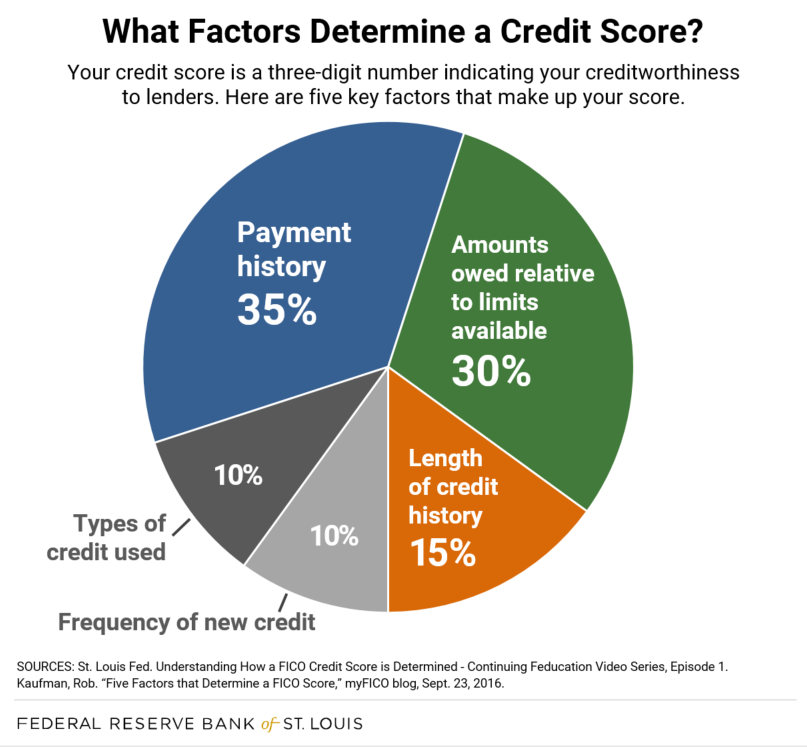
Payment history, debt-to-credit ratio, length of credit history, new credit, and the amount of credit you have all play a role in your credit report and credit score. Landlords may request a copy of your credit history or credit score before renting you an apartment.
How many years of credit history is good
seven years
It takes seven years for many types of negative information to age off of your credit report. As a result, avoiding late payments should remain a priority when you're working to earn a positive credit rating.
Cached
What is considered a good credit age
Average Age by Credit Score Tier
| Credit Score Tier | Average Age |
|---|---|
| Excellent (800-850) | 56 |
| Good (670-739) | 49 |
| Fair/Limited (580-669) | 47 |
| Bad (300-579) | 42 |
Feb 6, 2023
Is 4 years of credit history good
Anything less than two years is considered a short credit history. Once you have established between two and four years of credit, lenders will better understand how well you manage your credit accounts. A credit age of five years will raise your score as long as you've been managing your accounts well.
How can I increase my credit history age
Turns out, there are a few things you can do.Open new credit as soon as possible and manage it well. Waiting to start building your credit means that your credit age is younger than it has to be.Don't close old accounts if you don't have to.Be careful about opening new accounts you don't need.
What affects credit history the most
Payment history is the most important factor in maintaining a higher credit score. It accounts for 35% of your FICO score, which is the score most lenders look at. FICO considers your payment history as the leading predictor of whether you'll pay future debt on time.
What are the 5 components of credit history
What's in my FICO® Scores FICO Scores are calculated using many different pieces of credit data in your credit report. This data is grouped into five categories: payment history (35%), amounts owed (30%), length of credit history (15%), new credit (10%) and credit mix (10%).
How long does it take to go from no credit to 700
The time it takes to increase a credit score from 500 to 700 might range from a few months to a few years. Your credit score will increase based on your spending pattern and repayment history. If you do not have a credit card yet, you have a chance to build your credit score.
How many people have an 800 credit score
Your 800 FICO® Score falls in the range of scores, from 800 to 850, that is categorized as Exceptional. Your FICO® Score is well above the average credit score, and you are likely to receive easy approvals when applying for new credit. 21% of all consumers have FICO® Scores in the Exceptional range.
What should a 21 year olds credit be
So, given the fact that the average credit score for people in their 20s is 630 and a “good” credit score is typically around 700, it's safe to say a good credit score in your 20s is in the high 600s or low 700s.
How to get a 700 credit score in 2 years
Take the following steps to aim for a credit score of 700 or above.Lower Your Credit Utilization.Limit New Credit Applications.Diversify Your Credit Mix.Keep Old Credit Cards Open.Make On-Time Payments.
Is it true that after 7 years your credit is clear
Most negative items should automatically fall off your credit reports seven years from the date of your first missed payment, at which point your credit scores may start rising. But if you are otherwise using credit responsibly, your score may rebound to its starting point within three months to six years.
How to get a 700 credit score at 18
How to start building credit at age 18Understand the basics of credit.Become an authorized user on a parent's credit card.Get a starter credit card.Build credit by making payments on time.Keep your credit utilization ratio low.Take out a student loan.Keep tabs on your credit report and score.
How to get to 800 credit score at 20 years old
How to Get an 800 Credit ScorePay Your Bills on Time, Every Time. Perhaps the best way to show lenders you're a responsible borrower is to pay your bills on time.Keep Your Credit Card Balances Low.Be Mindful of Your Credit History.Improve Your Credit Mix.Review Your Credit Reports.
What makes for poor credit history
Common causes of a bad credit rating include failing to stick to your credit agreement, paying the bare minimum on your credit card each month, and falling victim to identity theft.
What are the three most common credit history mistakes
Here are three of the most common types of credit report errors and the steps you should take to address them.Incorrect Accounts.Account Reporting Mistakes.Inaccurate Personal Information.What to Do When You Discover a Credit Report Error.Get Help From a Credit Report Lawyer Today.
What counts towards your credit score
The primary factors that affect your credit score include payment history, the amount of debt you owe, how long you've been using credit, new or recent credit, and types of credit used. Each factor is weighted differently in your score.
What is included in credit history
Your credit report includes information about the number and types of your credit accounts. Credit histories also detail how long each account has been open, amounts owed, amount of available credit used, whether bills were paid on time, and the number of recent credit inquiries.
How long does it take to go from no credit to credit
If you haven't used credit before, it usually takes at least six months to generate a credit score – and longer to earn a good or excellent score.
How long does it take to go from 550 to 750 credit score
How Long Does It Take to Fix Credit The good news is that when your score is low, each positive change you make is likely to have a significant impact. For instance, going from a poor credit score of around 500 to a fair credit score (in the 580-669 range) takes around 12 to 18 months of responsible credit use.
How rare is 900 credit score
What percentage of the population has a credit score over 900 Only about 1% of people have a credit score of 850. A 900 credit score can be thought of as fairly unrealistic.
Is A 900 credit score good
Although ranges vary depending on the credit scoring model, generally credit scores from 580 to 669 are considered fair; 670 to 739 are considered good; 740 to 799 are considered very good; and 800 and up are considered excellent.
Can a 20 year old have a 750 credit score
So, given the fact that the average credit score for people in their 20s is 630 and a “good” credit score is typically around 700, it's safe to say a good credit score in your 20s is in the high 600s or low 700s.
Is a 750 credit score good at 18
Credit scores 800 and up are considered excellent. Someone with a VantageScore that's 600 or less is considered to have poor or very poor credit.


0 Comments