
Can AI take over cybersecurity?
Summary
How effective is AI in cybersecurity?
As AI algorithms learn from new data, they can refine their models and identify emerging threat patterns with increased accuracy. This adaptive nature of AI allows organizations to stay ahead of evolving cyber threats and significantly enhances the accuracy of their cybersecurity defenses.
What is the downside of AI in cybersecurity?
Disadvantages of AI in Cybersecurity: AI-powered security systems rely on machine learning algorithms that learn from historical data. However, this can lead to false positives when the system encounters new, unknown threats that do not fit into existing patterns.
What jobs will be replaced by AI?
Is AI coming for your job? These are the workers who will be replaced first, according to experts: Coders/programmers, Writers, Finance professionals, Legal workers, Researchers, Customer service, Data entry and analysis.
Is AI better than cybersecurity?
AI and cybersecurity both have significant potential in terms of job security in the future. AI is generally associated with high salaries and the potential for long-term job security due to its fast-paced innovation.
How AI is transforming cybersecurity?
AI can greatly benefit the cybersecurity landscape by detecting sophisticated phishing attempts. AI-based machine learning models can analyze and classify incoming emails and messages to identify whether they are legitimate or fraudulent.
What are 4 risks of artificial intelligence?
Risks of Artificial Intelligence: Automation-spurred job loss, Privacy violations, Deepfakes, Algorithmic bias caused by bad data, Socioeconomic inequality, Market volatility, Weapons automatization.
What are the 4 risks/dangers of AI?
Some of the biggest risks today include things like consumer privacy, biased programming, danger to humans, and unclear legal regulation.
What can AI not replace?
These are the jobs that AI can’t replace: The highest job growth in 2023-2027 is expected to be for agricultural equipment operators, Businesses are scaling up training programmes as skills requirements are disrupted by AI, There are relatively low expectations about the impact of autonomous vehicles on job creation.
What jobs are most at risk from AI?
“If I were to pick out five areas where I think AI will have the most significant impact on the future of work, I’d say it would be: manufacturing, customer service, retail, finance, and healthcare. Manufacturing is one of the industries already seeing the biggest impact from AI.
Is AI the future of cybersecurity?
Yes, AI can help protect a company from cyberattacks. AI can be used in various ways to enhance a company’s cybersecurity measures, including: Threat detection – AI algorithms can be trained to detect anomalous network traffic or user behavior, which may be indicative of a cyberattack.
Is cybersecurity the future?
One of the biggest trends in the future of cybersecurity is the use of artificial intelligence (AI) and machine learning (ML) technologies. AI and ML algorithms are able to analyze large amounts of data and detect patterns and anomalies that may indicate a potential threat.
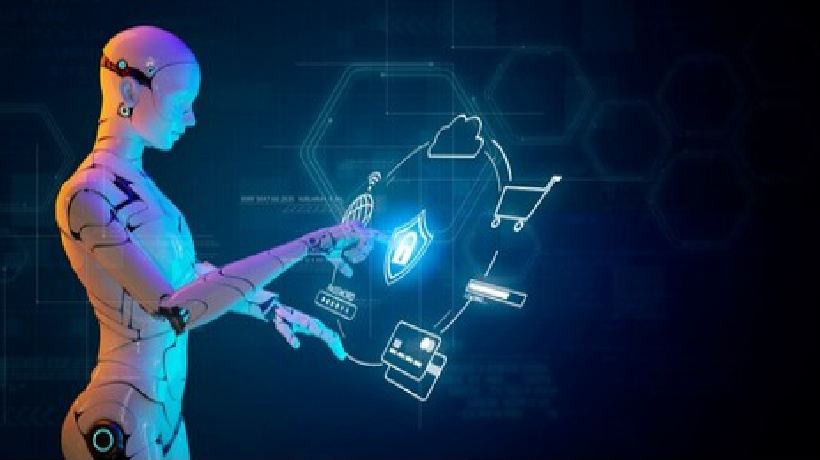
How effective is AI in cybersecurity
As AI algorithms learn from new data, they can refine their models and identify emerging threat patterns with increased accuracy. This adaptive nature of AI allows organizations to stay ahead of evolving cyber threats and significantly enhances the accuracy of their cybersecurity defenses.
Cached
What is the downside of AI in cybersecurity
Disadvantages of AI in Cybersecurity
AI-powered security systems rely on machine learning algorithms that learn from historical data. However, this can lead to false positives when the system encounters new, unknown threats that do not fit into existing patterns.
Cached
What jobs will be replaced by AI
Is AI coming for your job These are the workers who will be replaced first, according to expertsJobs most impacted by AI. Advertisement.Coders/programmers.Writers.Finance professionals.Legal workers.Researchers.Customer service.Data entry and analysis.
Is AI better than cyber security
AI and cybersecurity both have significant potential in terms of job security in the future. AI is generally associated with high salaries and the potential for long-term job security due to its fast-paced innovation.
How AI is transforming cybersecurity
AI can greatly benefit the cybersecurity landscape by detecting sophisticated phishing attempts. AI-based machine learning models can analyze and classify incoming emails and messages to identify whether they are legitimate or fraudulent.
What are 4 risks of artificial intelligence
Risks of Artificial IntelligenceAutomation-spurred job loss.Privacy violations.Deepfakes.Algorithmic bias caused by bad data.Socioeconomic inequality.Market volatility.Weapons automatization.
What are the 4 risks dangers of AI
Some of the biggest risks today include things like consumer privacy, biased programming, danger to humans, and unclear legal regulation.
What can AI not replace
These are the jobs that AI can't replaceThe highest job growth in 2023-2027 is expected to be for agricultural equipment operators.Businesses are scaling up training programmes as skills requirements are disrupted by AI.There are relatively low expectations about the impact of autonomous vehicles on job creation.
What jobs are most at risk from AI
"If I were to pick out five areas where I think AI will have the most significant impact on the future of work, I'd say it would be: manufacturing, customer service, retail, finance and healthcare. "Manufacturing is one of the industries already seeing the biggest impact from AI.
Is AI the future of cybersecurity
Yes, AI can help protect a company from cyberattacks. AI can be used in various ways to enhance a company's cybersecurity measures, including: Threat detection: AI algorithms can be trained to detect anomalous network traffic or user behavior, which may be indicative of a cyberattack.
Is cybersecurity the future
One of the biggest trends in the future of cybersecurity is the use of artificial intelligence (AI) and machine learning (ML) technologies. AI and ML algorithms are able to analyze large amounts of data and detect patterns and anomalies that may indicate a potential threat.
What is the future of cyber security
One of the biggest trends in the future of cybersecurity is the use of artificial intelligence (AI) and machine learning (ML) technologies. AI and ML algorithms are able to analyze large amounts of data and detect patterns and anomalies that may indicate a potential threat.
What is Elon Musk’s warning about AI
Tesla Inc.
CEO Elon Musk, renowned for his outspoken warnings about the potential dangers of artificial intelligence (AI), has once again cautioned about the risks posed by a “benign dependency” on these complex machines, tweeting that it can be dangerous to civilization.
What did Elon Musk say about AI
Speaking via video link to a summit in London, Musk said he expects governments around the world to use AI to develop weapons before anything else. Elon Musk has hit out at artificial intelligence (AI), saying it is not "necessary for anything we're doing".
What is the biggest danger of artificial intelligence
AI is only as unbiased as the data and people training the programs. So if the data is flawed, impartial, or biased in any way, the resulting AI will be biased as well. The two main types of bias in AI are “data bias” and “societal bias.”
Is AI threat to humanity
A group of industry leaders warned on Tuesday that the artificial intelligence technology they were building might one day pose an existential threat to humanity and should be considered a societal risk on a par with pandemics and nuclear wars.
Will AI make humans obsolete
Regardless of how well AI machines are programmed to respond to humans, it is unlikely that humans will ever develop such a strong emotional connection with these machines. Hence, AI cannot replace humans, especially as connecting with others is vital for business growth.
Which jobs are most at risk from AI
"If I were to pick out five areas where I think AI will have the most significant impact on the future of work, I'd say it would be: manufacturing, customer service, retail, finance and healthcare. "Manufacturing is one of the industries already seeing the biggest impact from AI.
Which jobs will not be replaced by AI
As such, jobs that require high emotional intelligence, such as therapists, social workers, and nurses, are not likely to be replaced by AI. Specialized Professionals: Jobs that require deep expertise in a particular field, such as doctors, lawyers, and scientists, are less likely to be fully replaced by AI.
Which professions are likely to decline due to AI
Top 10 jobs most likely to decline due to AI: Bank Tellers, Data Entry Clerks, and moreBank Tellers and related Clerks.Postal Service Clerks.Cashiers and Ticket Clerks.Data Entry Clerks.Administrative and Executive Secretaries.Material-Recording and Stock-Keeping Clerks.Accounting, Bookkeeping and Payroll Clerks.
Will cybersecurity become automated
The future of cybersecurity can be improved with automated threat detection and response based on sophisticated machine learning and artificial intelligence. While human security professionals may be very good at their jobs, they cannot scale up as quickly to address a burgeoning threat landscape.
Will AI ever be a threat
AI could harm the health of millions and pose an existential threat to humanity, doctors and public health experts have said as they called for a halt to the development of artificial general intelligence until it is regulated.
Is cybersecurity a dying field
Cybersecurity is a rapidly growing field, with many job opportunities available worldwide. As businesses become more reliant on digital technology and data storage, Cybersecurity has become an essential component of protecting their valuable information and assets.
Will AI replace cyber security engineer
AI will force some big changes in the cybersecurity job market, but Rohit Ghai, CEO of RSA Security, tells RSAC 2023 attendees that he's hopeful AI tools and human workers can coexist.
Will AI replace cyber security jobs 2023
AI will force some big changes in the cybersecurity job market, but Rohit Ghai, CEO of RSA Security, tells RSAC 2023 attendees that he's hopeful AI tools and human workers can coexist.


0 Comments