
Why does Smart Switch need neutral?
Why does Smart Switch need neutral?
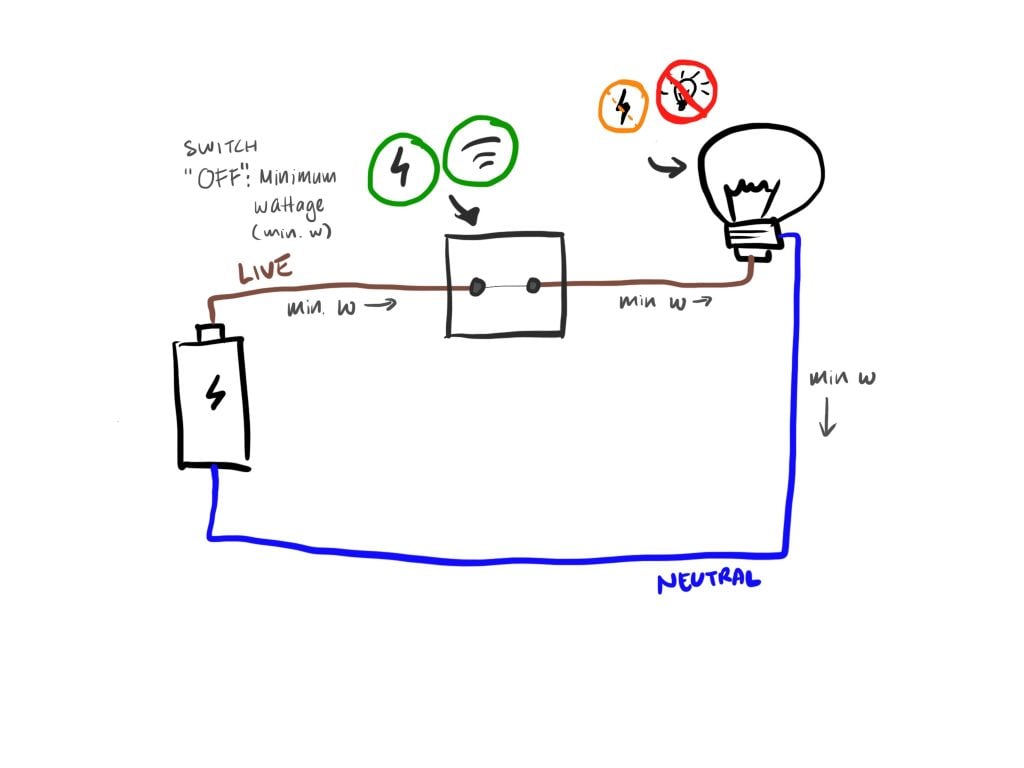
What happens if you don’t have a neutral wire for a smart switch?
Here’s how it works:
If you don’t have a neutral at the switch, then you will have a neutral at the load (light fixture). Therefore, you install the relay in the light fixture box where there is a neutral.
Can you install a smart light switch without neutral?
Just like this and you can see that light level going up and the bar on the side turning on we’re going to turn this off right now but what’s great about a smart light switch no neutral required is
What happens if a light switch doesn’t have a neutral wire?
Neutral wires are not used with a standard switch, although some electronic dimmers use them. If there is no Neutral wire connected to your switch, one or more will most likely be in the back of the box containing the switch. The Neutral wire may be part of a bundle, and is likely capped with a wire nut.
Why do WIFI light switches need a neutral?
Almost every smart switch needs a neutral wire attached because they need to stay powered all the time. Without a neutral wire, there is a single circuit between the bulb, power source (or junction box), and light switch.
Can I use ground as neutral?
We cannot use ground as neutral as it doesn’t provide the normal return path for the current.
Can I connect neutral to ground?
No, the neutral and ground should never be wired together. This is wrong, and potentially dangerous. When you plug in something in the outlet, the neutral will be live, as it closes the circuit. If the ground is wired to the neutral, the ground of the appliance will also be live.
What happens if you wire live and neutral wrong?
When live wire comes in contact with the neutral wire, then the insulation of wires is damaged or there is a fault in the appliance. In such a situation, the current in the circuit abruptly increases. This is known as short circuiting.
Is a neutral required at every switch?
Not all light switches require or even use a neutral but some have electronic circuitry that requires a current return path to complete the circuit even when the device is in the off position.
What happens if you mix neutral and ground?
If you connect the ground wire to the neutral, the ground wire will become hot. As a result, there will be a high possibility of electrical shock. To operate an electrical appliance, you will need both hot and neutral wires.
What happens if neutral is not grounded?
If the grounded (neutral) service conductor is opened or not provided at all, objectionable neutral current will flow on metal parts of the electrical system and dangerous voltage will be present on the metal parts providing the potential for electric shock.
Why can’t you use ground as neutral?
We cannot use ground as neutral as it doesn’t provide the normal return path for the current.
What happens if you use ground instead of neutral?
If you connect the ground wire to the neutral, the ground wire will bec+
What happens if you don t have a neutral wire for a smart switch
Here's how it works:
If you don't have a neutral at the switch, then you will have a neutral at the load (light fixture). Therefore, you install the relay in the light fixture box where there is a neutral.
Cached
Can you install a smart light switch without neutral
Just like this and you can see that light level going up and the bar on the side turning on we're going to turn this off right now but what's great about a smart light switch no neutral required is
What happens if a light switch doesn’t have a neutral wire
Neutral wires are not used with a standard switch, although some electronic dimmers use them. If there is no Neutral wire connected to your switch, one or more will most likely be in the back of the box containing the switch. The Neutral wire may be part of a bundle, and is likely capped with a wire nut.
Why do WIFI light switches need a neutral
Almost every smart switch needs a neutral wire attached because they need to stay powered all the time. Without a neutral wire, there is a single circuit between the bulb, power source (or junction box), and light switch.
Cached
Can I use ground as neutral
We cannot use ground as neutral as it doesn't provide the normal return path for the current.
Can I connect neutral to ground
No, the neutral and ground should never be wired together. This is wrong, and potentially dangerous. When you plug in something in the outlet, the neutral will be live, as it closes the circuit. If the ground is wired to the neutral, the ground of the applicance will also be live.
What happens if you wire live and neutral wrong
When live wire comes in contact with the neutral wire, then the insulation of wires is damaged or there is a fault in the appliance. In such a situation, the current in the circuit abruptly increases. This is known as short circuiting.
Is a neutral required at every switch
Not all light switches require or even use a neutral but some have electronic circuitry that requires a current return path to complete the circuit even when the device is in the off position.
What happens if you mix neutral and ground
If you connect the ground wire to the neutral, the ground wire will become hot. As a result, there will be a high possibility of electrical shock. To operate an electrical appliance, you will need both hot and neutral wires.
What happens if neutral is not grounded
If the grounded (neutral) service conductor is opened or not provided at all, objectionable neutral current will flow on metal parts of the electrical system and dangerous voltage will be present on the metal parts providing the potential for electric shock.
Why can’t you use ground as neutral
We cannot use ground as neutral as it doesn't provide the normal return path for the current.
What happens if you use ground instead of neutral
If you connect the ground wire to the neutral, the ground wire will become hot. As a result, there will be a high possibility of electrical shock. To operate an electrical appliance, you will need both hot and neutral wires.
Is it OK not to connect neutral wire
As you can see, the neutral wire is essential to your home's electrical system. Without it, there would be no circuit for electricity to flow along and complete its circle back to the power source.
Why not use ground as neutral
We cannot use ground as neutral as it doesn't provide the normal return path for the current.
What happens if you don’t use a neutral
Without it, there would be no circuit for electricity to flow along and complete its circle back to the power source. Neutral wires are important at every point in your entire electrical system—from when they leave a transformer or fuse box all the way through their journey until they return to the source.
What happens if you have no neutral
Without the neutral wire, all sorts of instabilities occur in the system like unstable voltages, unexpected currents and even dangers of electric shock.
Is it legal to connect neutral to ground
Neutral is the return path of the current, and ground wire holds the fault current to trip the breaker in protecting the person and the facility. The neutral and ground should never be bonded together in the facility except for the main panel.
Can I tie the neutral and ground together
Neutral is the return path of the current, and ground wire holds the fault current to trip the breaker in protecting the person and the facility. The neutral and ground should never be bonded together in the facility except for the main panel.
Is it OK to use ground as neutral
We cannot use ground as neutral as it doesn't provide the normal return path for the current.
Can I tie ground and neutral together
No, the neutral and ground should never be wired together. This is wrong, and potentially dangerous. When you plug in something in the outlet, the neutral will be live, as it closes the circuit. If the ground is wired to the neutral, the ground of the applicance will also be live.
Does the neutral wire carry current
A neutral wire is a current-carrying conductor that brings current back to the power source to establish control over the voltage. Usually identified by its white color, it takes the unused electricity back to the transformer.
Is it code to have neutral wire
Neutral wires are mainly found in newer homes (built after 1985) and are required by most modern US electrical codes.
What are the disadvantages of neutral grounding
The following are the disadvantages of an ungrounded neutral system, Under a single line to ground fault, the voltage to earth of healthy phases becomes full line value. This may result in insulation breakdown and may even lead to heavy phase-phase fault conditions. Trouble due to arcing grounds is present.
What happens if I connect neutral and ground together
If you connect the ground wire to the neutral, the ground wire will become hot. As a result, there will be a high possibility of electrical shock. To operate an electrical appliance, you will need both hot and neutral wires.
Why not use neutral as ground
Once you connect the neutral to the ground, you could shock yourself or others upon touching the metal case. This is because the metal case is connected to the ground. So, if the neutral or live wire is connected to the ground, the ground will become a live wire and create a dangerous situation.


0 Comments