
What cameras use CCD sensors?
Summary of the article:
What cameras use CCD: A CCD camera is any type of digital camera with a charge coupled device (CCD) image sensor. This includes the vast majority of consumer and professional still cameras, video cameras, security cameras, cell phone cameras and medical cameras.
Are CCD cameras still used: Although CMOS sensors are now favored for capturing images in consumer products, CCDs continue to be used widely in medical, scientific and industrial markets due to their high sensitivity and precision.
What uses CCD sensor: Charge-coupled-devices (CCDs) are used in many imaging applications, such as surveillance, hand-held and desktop computer video cameras, and document scanners.
Does Canon use CCD or CMOS: The first (and last) all-Canon EOS camera with a CCD sensor was the EOS-1D. All other EOS digital cameras use the CMOS sensor.
Which is better CCD or digital camera: For a given size chip, a DSLR will cost less than a CCD. CCD chips are much more sensitive, they have fewer pixel defects, they have less noise, and the cameras often feature thermoelectric cooling to reduce noise even further.
Are phone cameras CCD or CMOS: Mobile phone cameras typically feature CMOS active-pixel image sensors (CMOS sensors) due to largely reduced power consumption compared to charge-coupled device (CCD) type cameras, which few camera phones use.
Which is better CCD or CCTV cameras: CCD image sensors in video surveillance cameras move their charged cells across the chip, so they are less prone to image distortion. Thus CCD image sensors in security cameras tend to have higher spectral sensitivity to light and produce far less noise than CMOS security cameras.
Which is better CCD or CMOS camera: CMOS sensors are faster than their CCD counterparts, which allows for higher video frame rates. CMOS imagers provide higher dynamic range and require less current and voltage to operate.
What are the disadvantages of CCD sensors: Disadvantages include higher energy consumption, more blooming and smearing effects due to overexposure compared to CMOS sensors, slower readout, increased complexity of image sensing systems, and higher cost.
Why are CCD cameras better: CCD sensors create high-quality, low-noise images. CMOS sensors are usually more susceptible to noise. Because each photosite on a CMOS sensor has several transistors located next to it, the light sensitivity of a CMOS chip tends to be lower, as many of the photons hit the transistors instead of the photosite.
Is iPhone camera CMOS or CCD: Photographer and animator Raymond Sirí has created an animated visualization that shows how a CMOS sensor works. It’s the same type of photo sensor that’s found in iPhones, iPads, and other mobile devices. Unlike a film camera, there are no moving parts to an iPhone’s shutter.
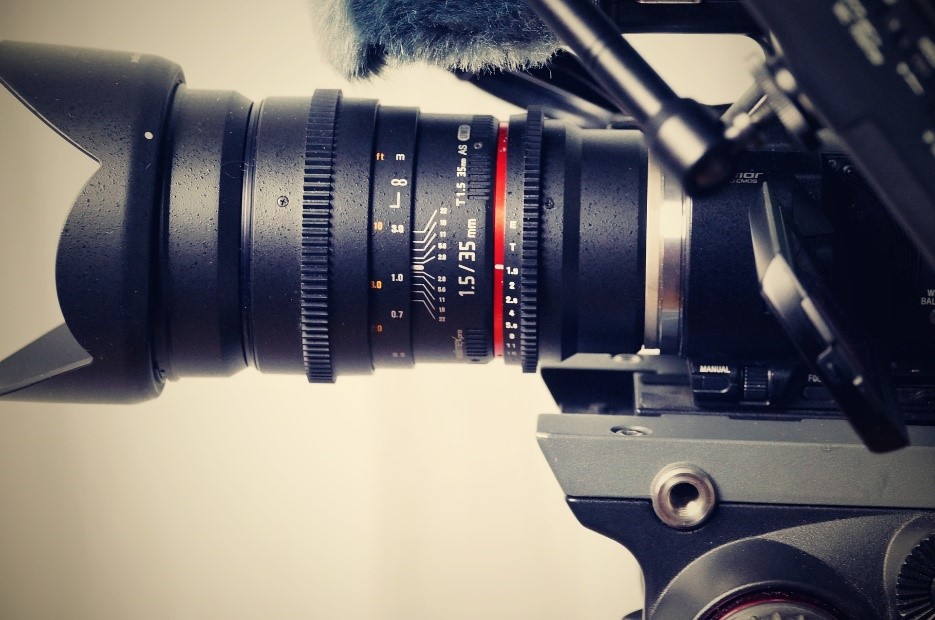
What cameras use CCD
A CCD camera is any type of digital camera with a charge coupled device (CCD) image sensor. This includes the vast majority of consumer and professional still cameras, video cameras, security cameras, cell phone cameras and medical cameras.
Cached
Are CCD cameras still used
Although CMOS sensors are now favored for capturing images in consumer products, CCDs continue to be used widely in medical, scientific and industrial markets due to their high sensitivity and precision.
What uses CCD sensor
Charge-coupled-devices (CCDs) are used in many imaging applications, such as surveillance, hand-held and desktop computer video cameras, and document scanners.
Does Canon use CCD or CMOS
CMOS sensor
The first (and last) all-Canon EOS camera with a CCD sensor was the EOS-1D. All other EOS digital cameras use the CMOS sensor. ABOVE: The EOS DCS 3 was launched in 1995 and used a Kodak digital film back with a 1.3MP CCD sensor on an EOS-1N film camera body.
Which is better CCD or digital camera
The Advantages of Digital SLRs
For a given size chip, a DSLR will cost less than a CCD. This is due to several reasons. CCD chips are much more sensitive, they have fewer pixel defects, they have less noise, and the cameras often feature thermoelectric cooling to reduce noise even further.
Are phone cameras CCD or CMOS
Mobile phone cameras typically feature CMOS active-pixel image sensors (CMOS sensors) due to largely reduced power consumption compared to charge-coupled device (CCD) type cameras, which few camera phones use.
Which is better CCD or CCTV cameras
CCD image sensors in video surveillance cameras move their charged cells across the chip, so they are less prone to image distortion. Thus CCD image sensors in security cameras tend to have higher spectral sensitivity to light and produce far less noise than CMOS security cameras.
Which is better CCD or CMOS camera
CMOS sensors are faster than their CCD counterparts, which allows for higher video frame rates. CMOS imagers provide higher dynamic range and require less current and voltage to operate.
What are the disadvantages of CCD sensors
Advantages and Disadvantages of CCD Sensors
Disadvantages include higher energy consumption, more blooming and smearing effects due to overexposure compared to CMOS sensors, slower readout, increased complexity of image sensing systems, and higher cost.
Why are CCD cameras better
CCD sensors create high-quality, low-noise images. CMOS sensors are usually more susceptible to noise. Because each photosite on a CMOS sensor has several transistors located next to it, the light sensitivity of a CMOS chip tends to be lower, as many of the photons hit the transistors instead of the photosite.
Is iPhone camera CMOS or CCD
Photographer and animator Raymond Sirí has created an animated visualization that shows how a CMOS sensor works. It's the same type of photo sensor that's found in iPhones, iPads, and other mobile devices. Unlike a film camera, there are no moving parts to an iPhone's shutter.
What is the difference between CCD and normal camera
CCD sensors create high-quality, low-noise images. CMOS sensors are usually more susceptible to noise. Because each photosite on a CMOS sensor has several transistors located next to it, the light sensitivity of a CMOS chip tends to be lower, as many of the photons hit the transistors instead of the photosite.
Why do astronomers prefer CCD over CMOS
The end result is that the astronomical CCDs are more flexible and have less noise than your digital camera. The downside is that CMOS devices in digital cameras are much faster than CCDs. The other important difference is that astronomical CCDs are typically used upside down.
Which is better CCD or CMOS image sensor
CMOS sensors are faster than their CCD counterparts, which allows for higher video frame rates. CMOS imagers provide higher dynamic range and require less current and voltage to operate.
What are the disadvantages of CCD
DisadvantagesSlower readout, as only one central A/D converter digitalises.No direct pixel access, like in case of the CMOS sensor, as the CCD sensor must be read out serially.More complex camera layout due to required additional electronics leads to larger and more expensive cameras.
Which is better image quality CCD or CMOS
CCD sensors create high-quality, low-noise images. CMOS sensors are usually more susceptible to noise. Because each photosite on a CMOS sensor has several transistors located next to it, the light sensitivity of a CMOS chip tends to be lower, as many of the photons hit the transistors instead of the photosite.
What is better for astrophotography CCD or CMOS
CCDs remain the sensor of choice for demanding scientific applications such as photometry. CMOS chips have many ADCs built into the sensor itself. All pixels are read simultaneously, which is quicker and reduces the amount of noise generated during the data collection ('read noise').
What is the advantage of CCD camera
CCDs are the most frequently used image detectors as they have many advantages, including larger dynamic range, good quantum efficiency, low noise, linear response, and negligible geometrical distortion. CCD cameras are extensively used because of their low-light image capturing ability.
Is CCD better than CMOS
CCD sensors create high-quality, low-noise images. CMOS sensors are usually more susceptible to noise. Because each photosite on a CMOS sensor has several transistors located next to it, the light sensitivity of a CMOS chip tends to be lower, as many of the photons hit the transistors instead of the photosite.
What is a disadvantage of the CCD
Advantages and Disadvantages of CCD Sensors
Disadvantages include higher energy consumption, more blooming and smearing effects due to overexposure compared to CMOS sensors, slower readout, increased complexity of image sensing systems, and higher cost.


0 Comments